Precios del petróleo volátiles por conflicto y alto el fuego entre EE. UU. e Irán


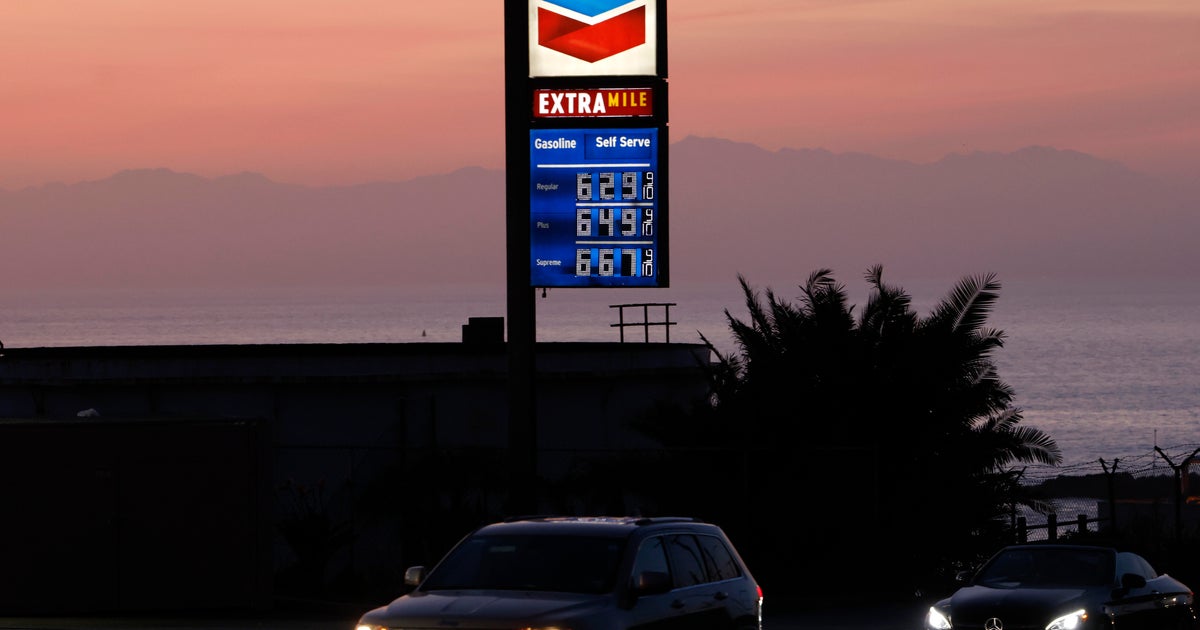
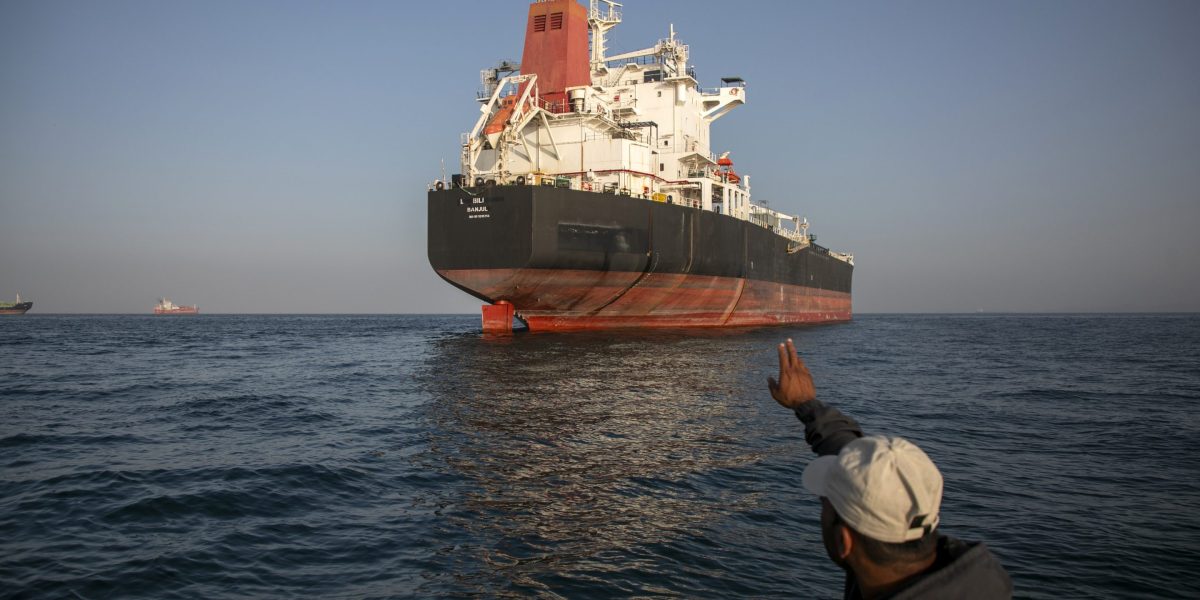
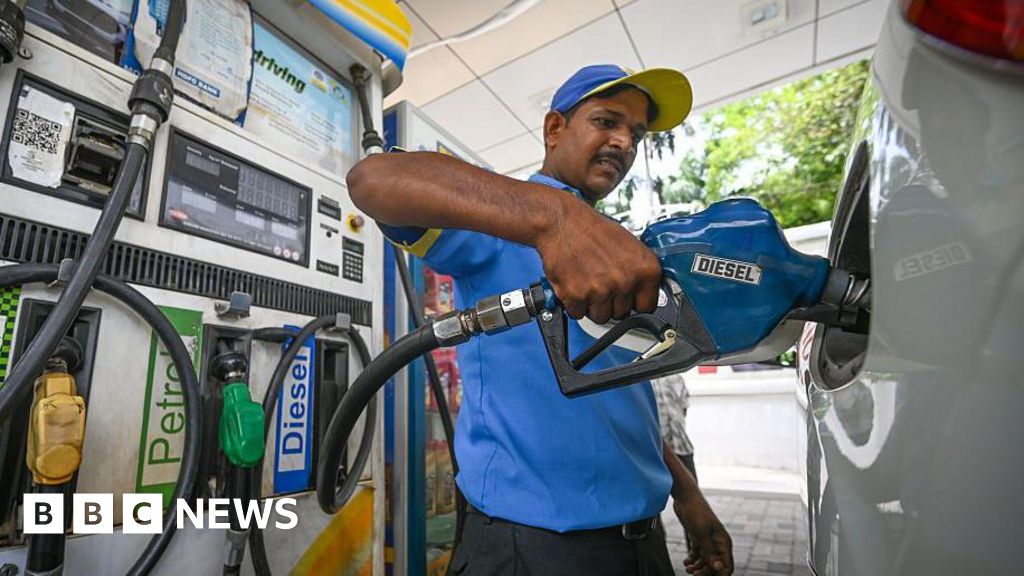
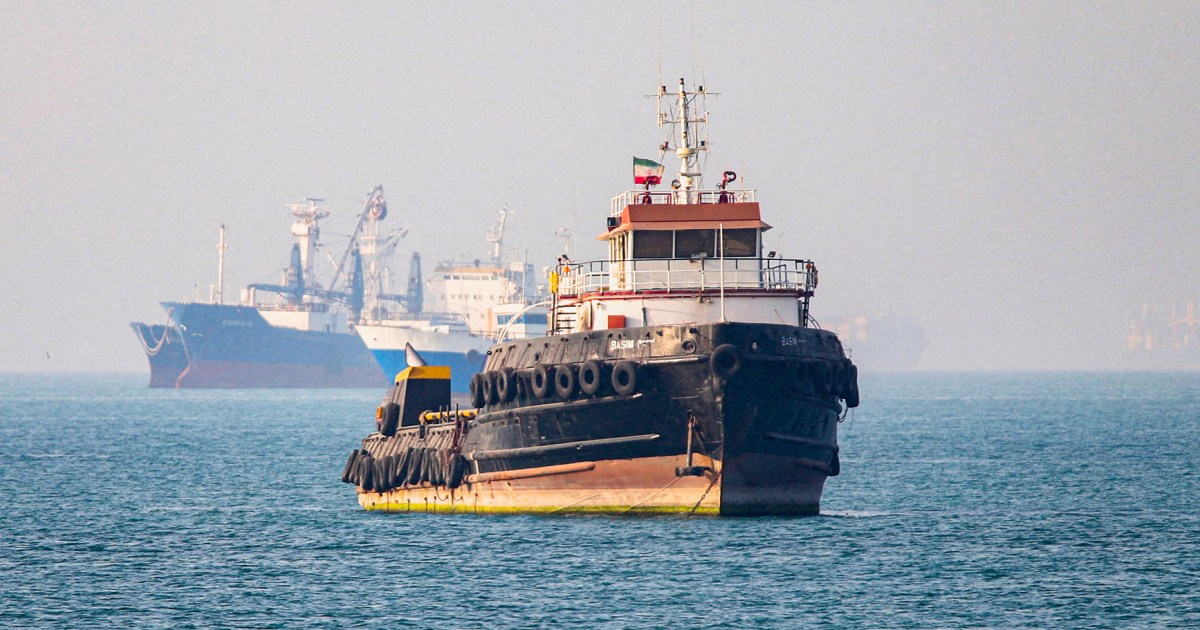
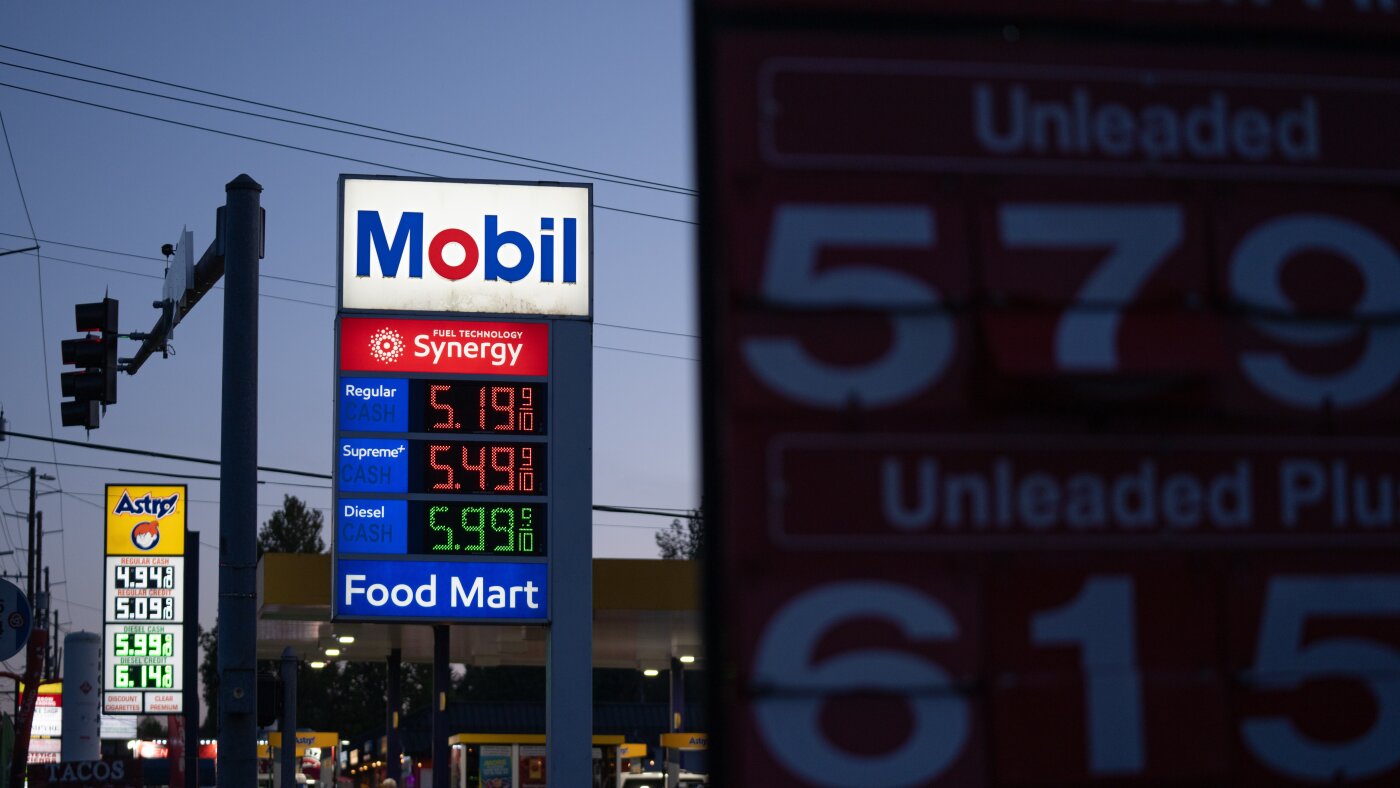
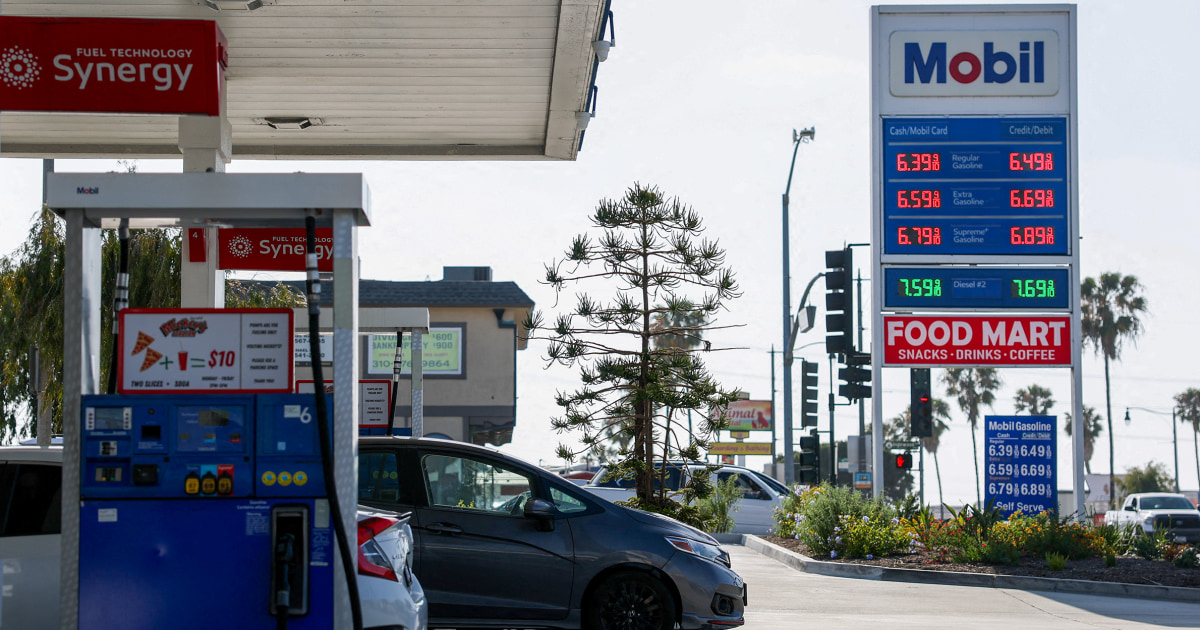
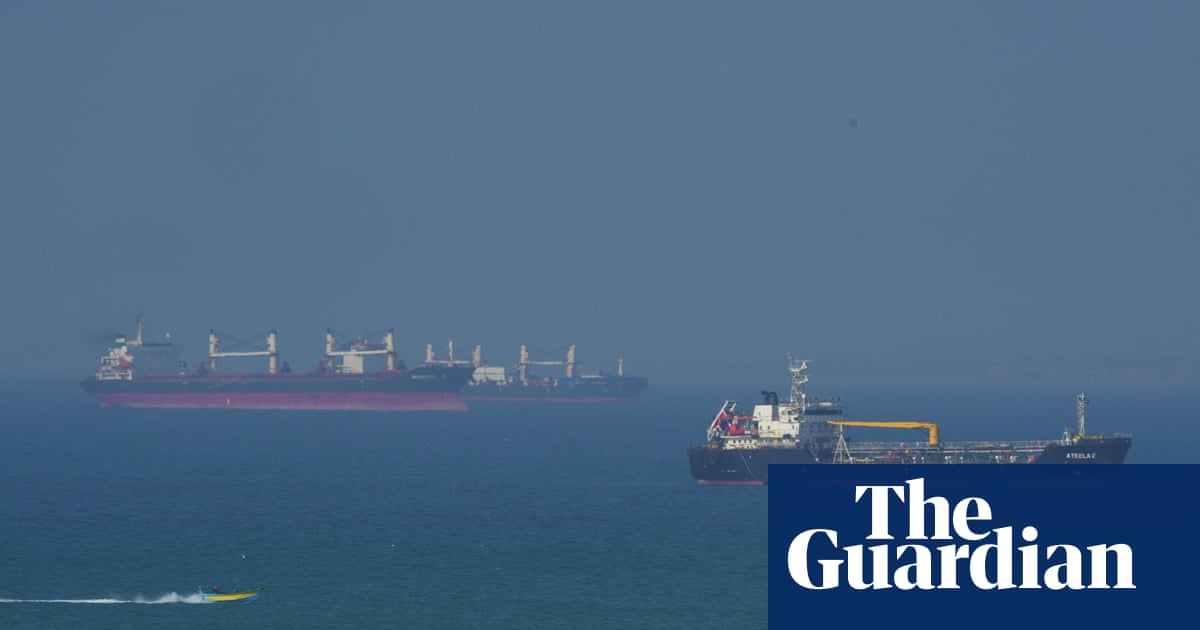
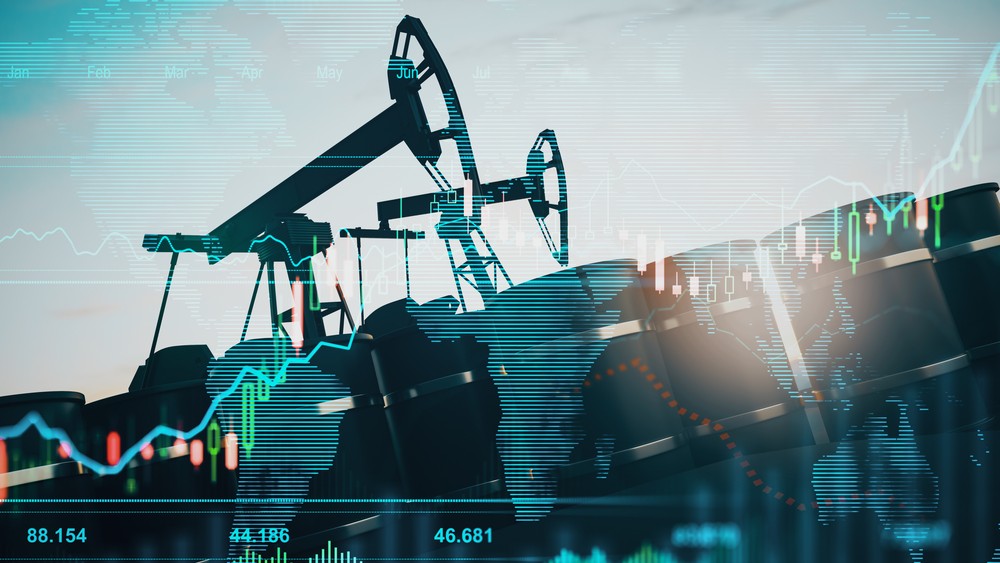
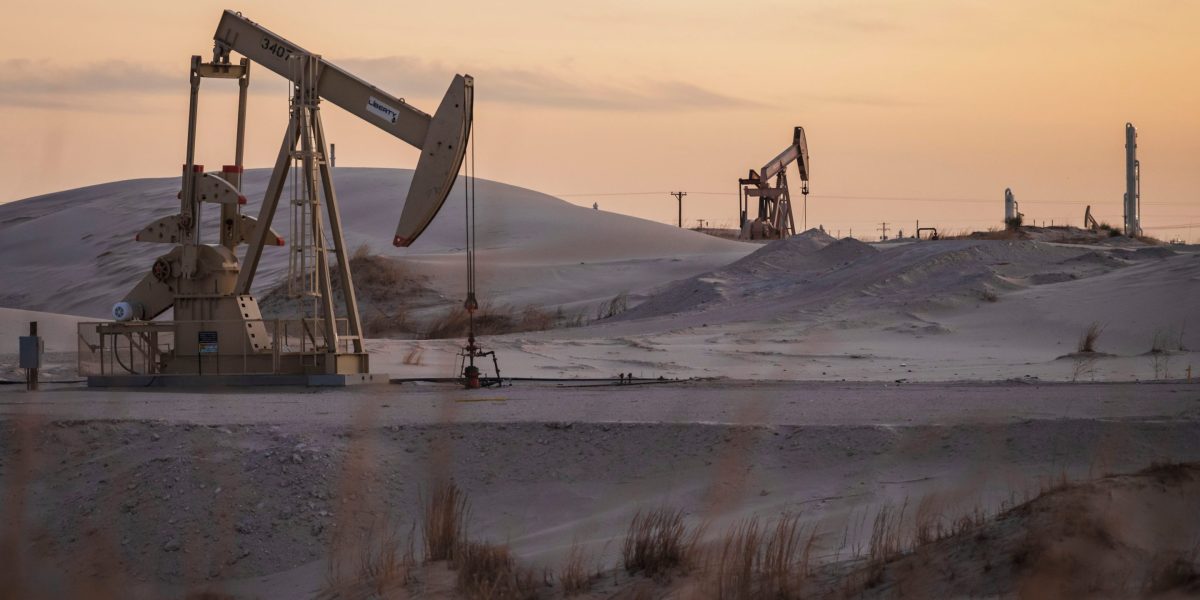
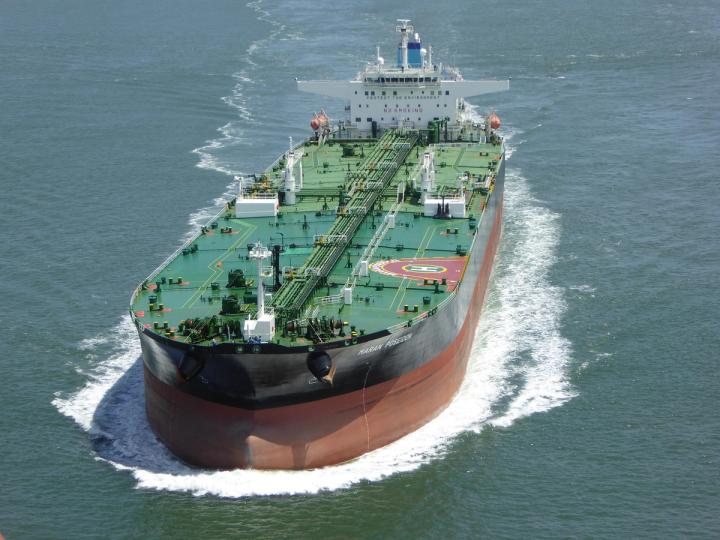
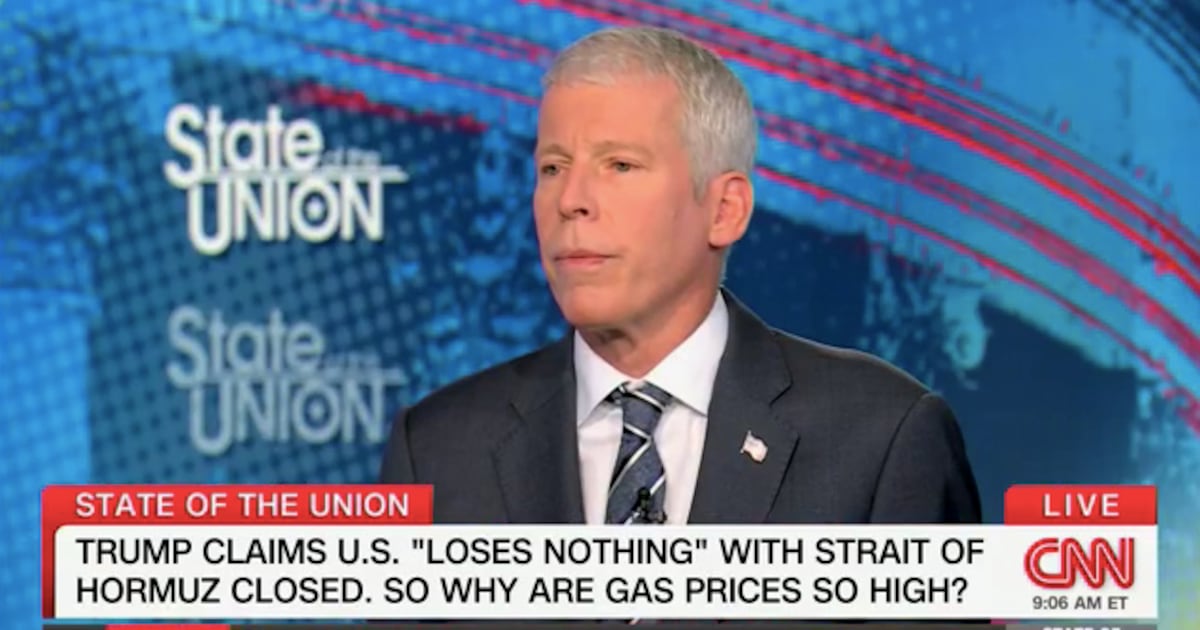
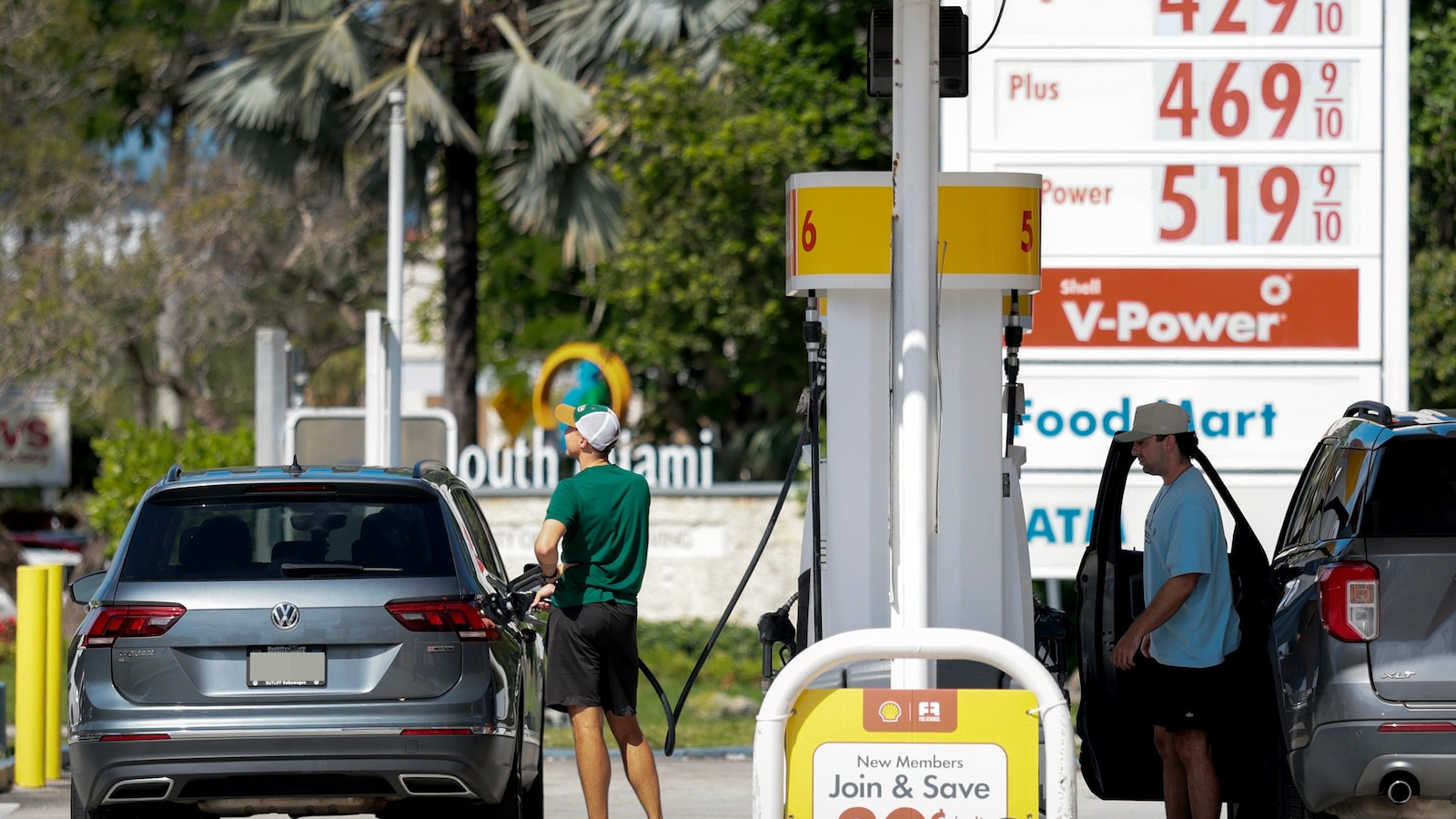
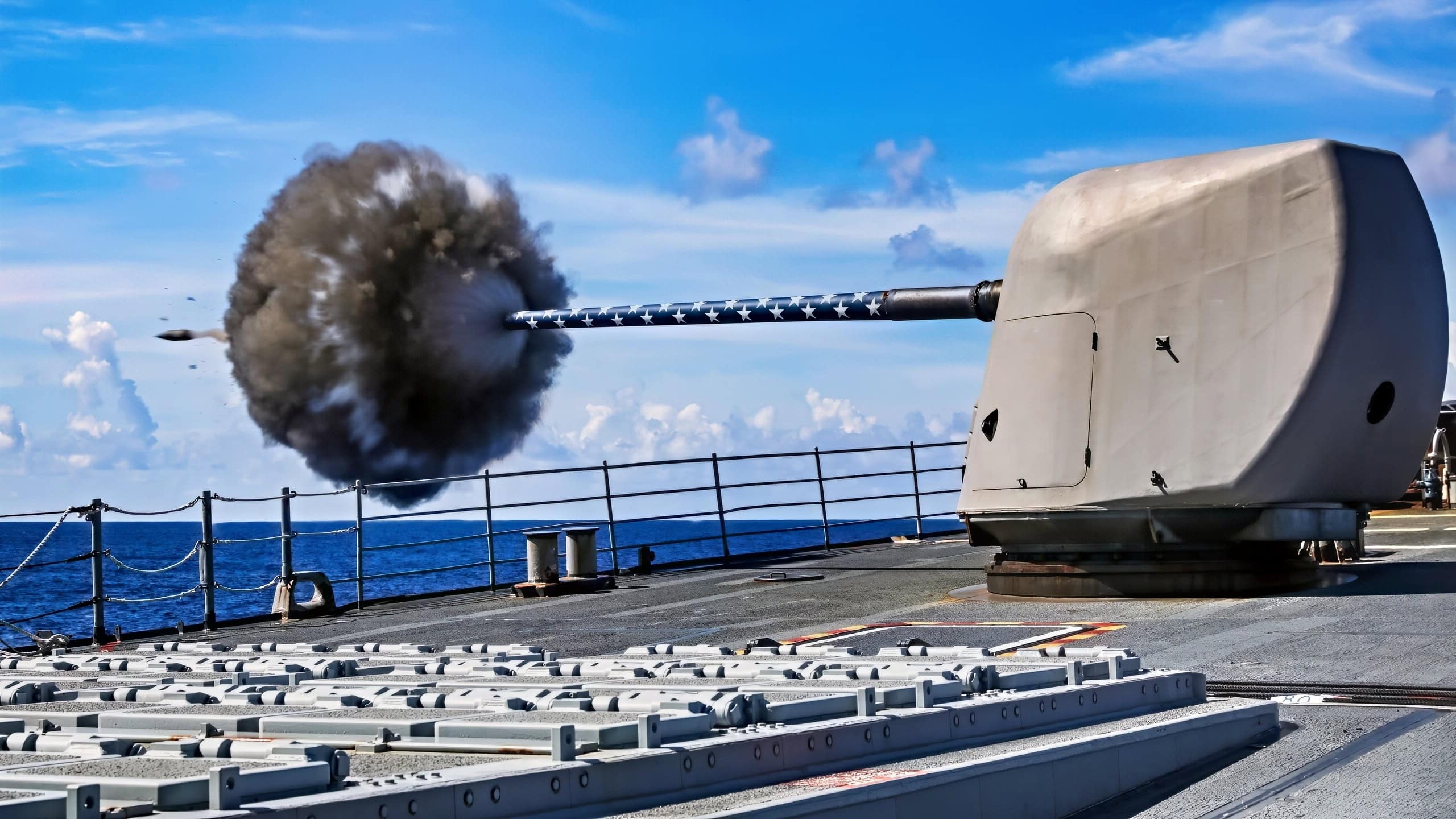
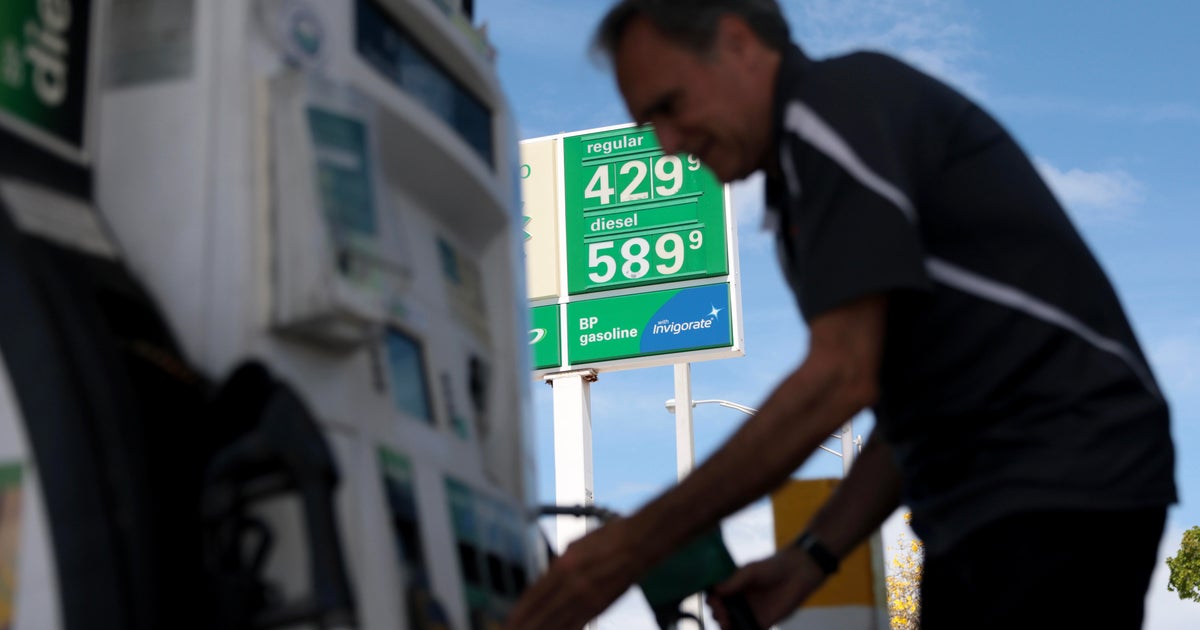
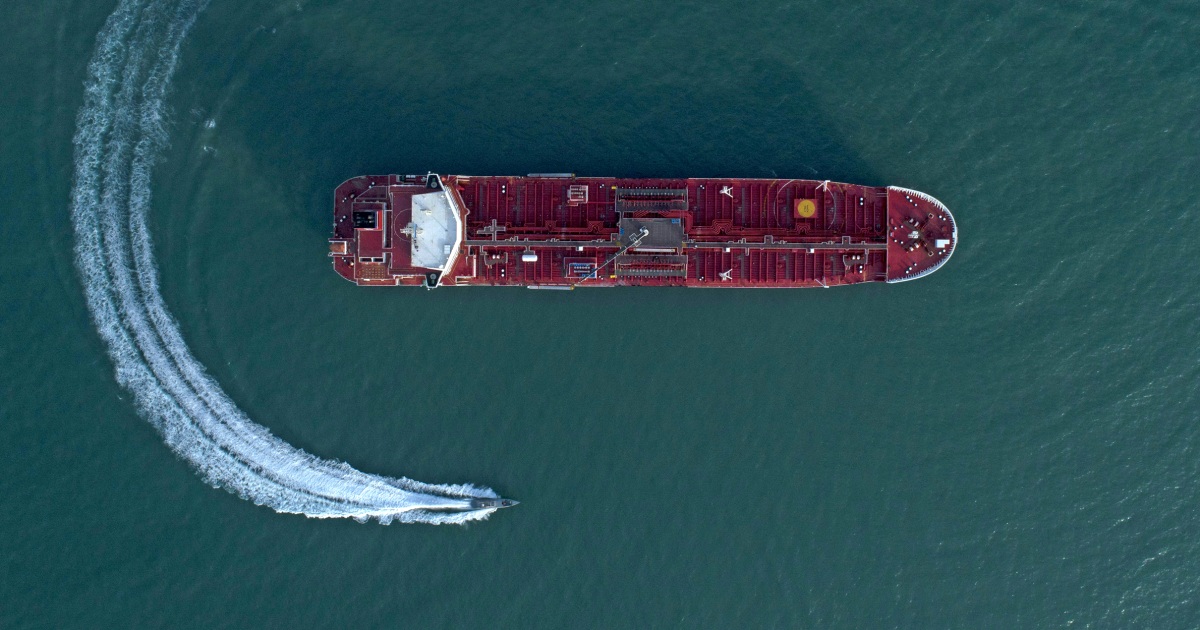
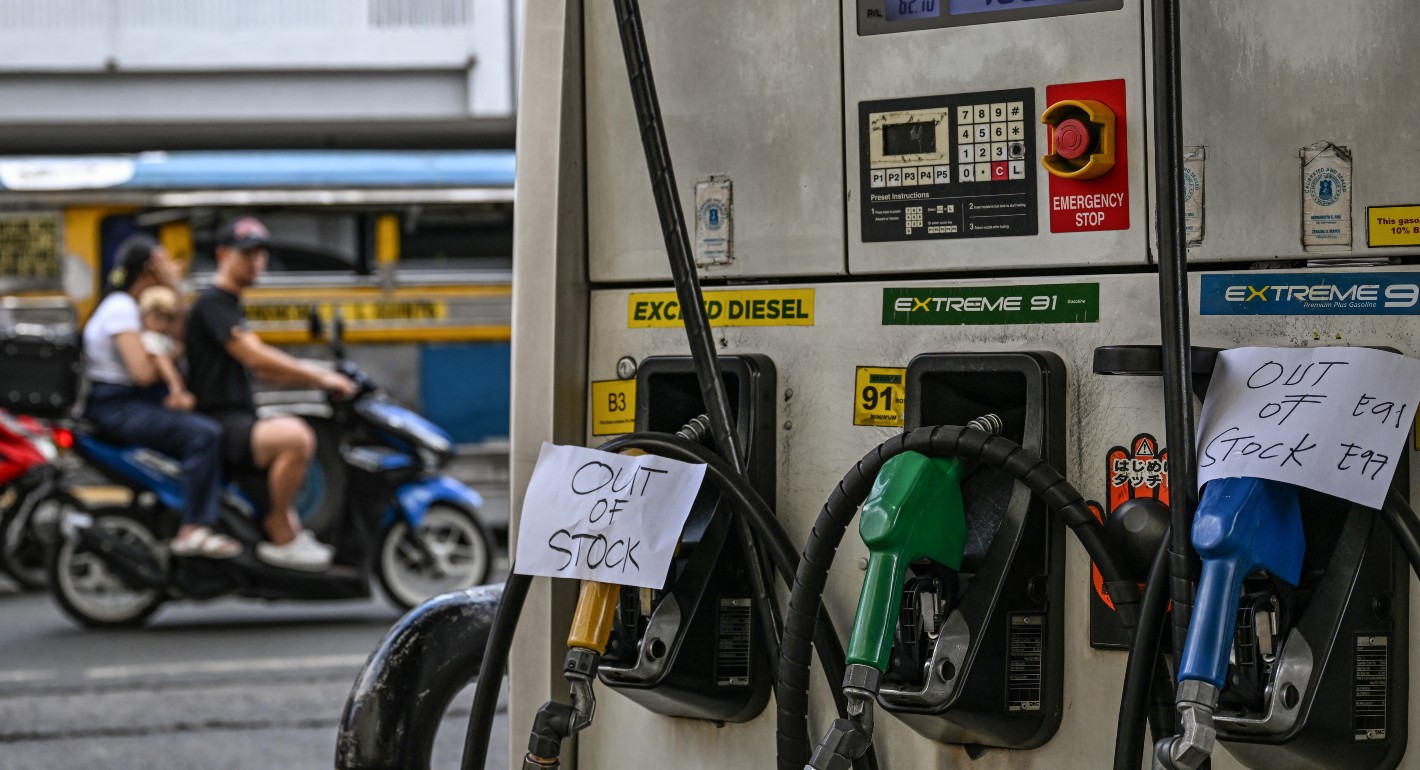
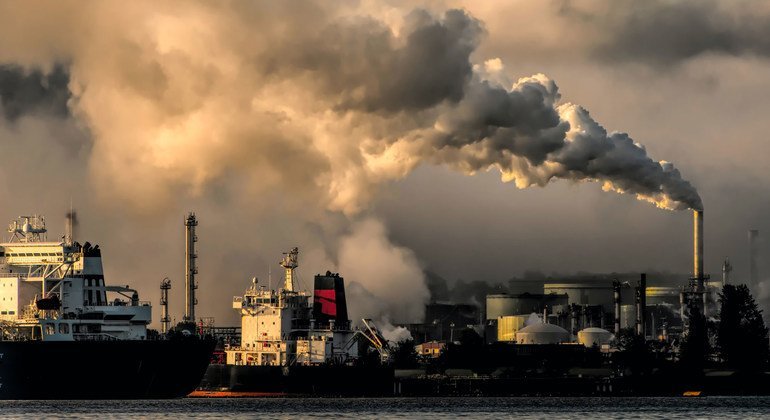
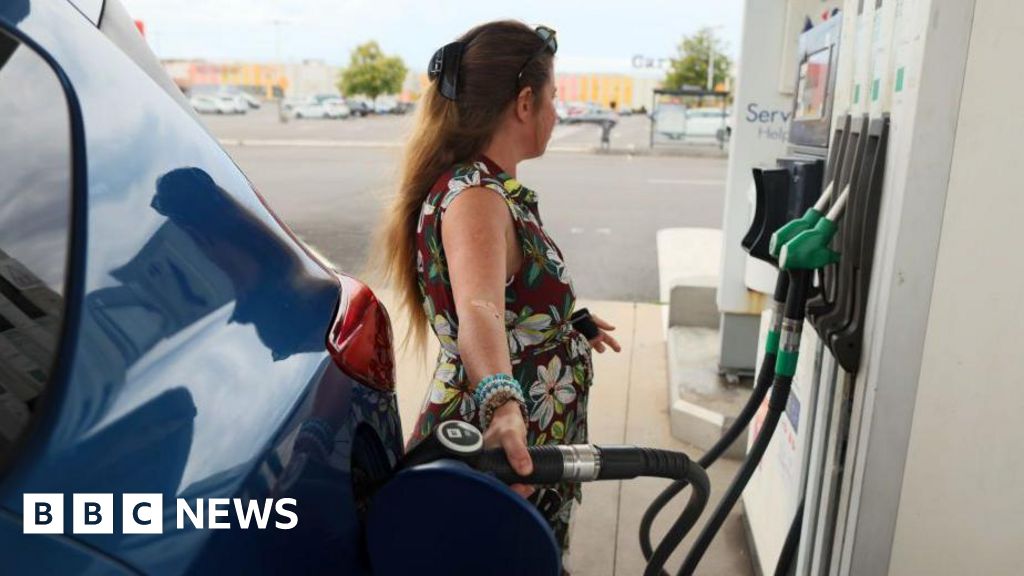
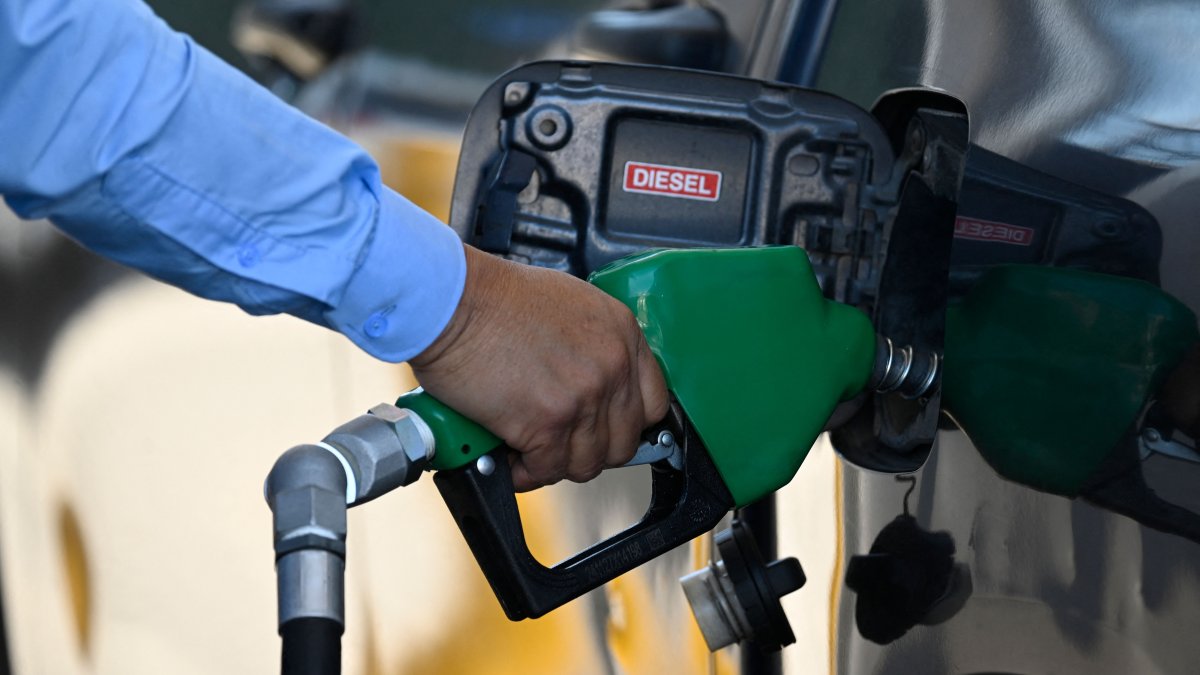
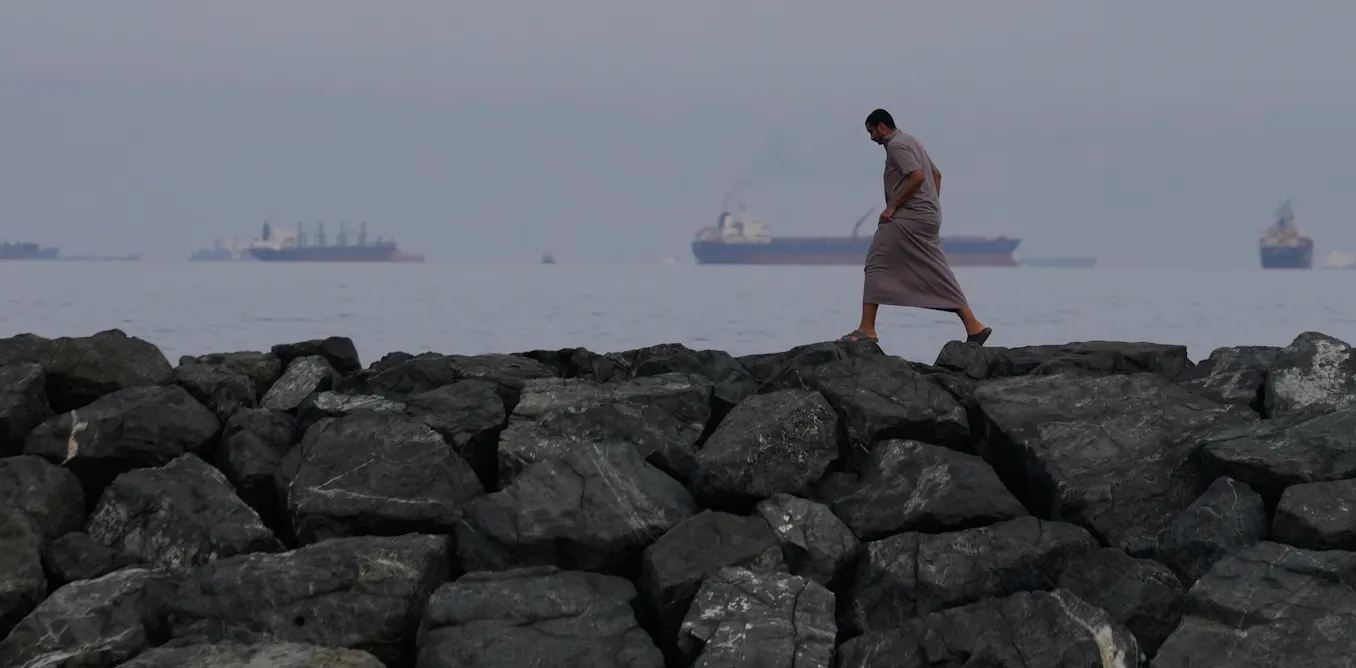
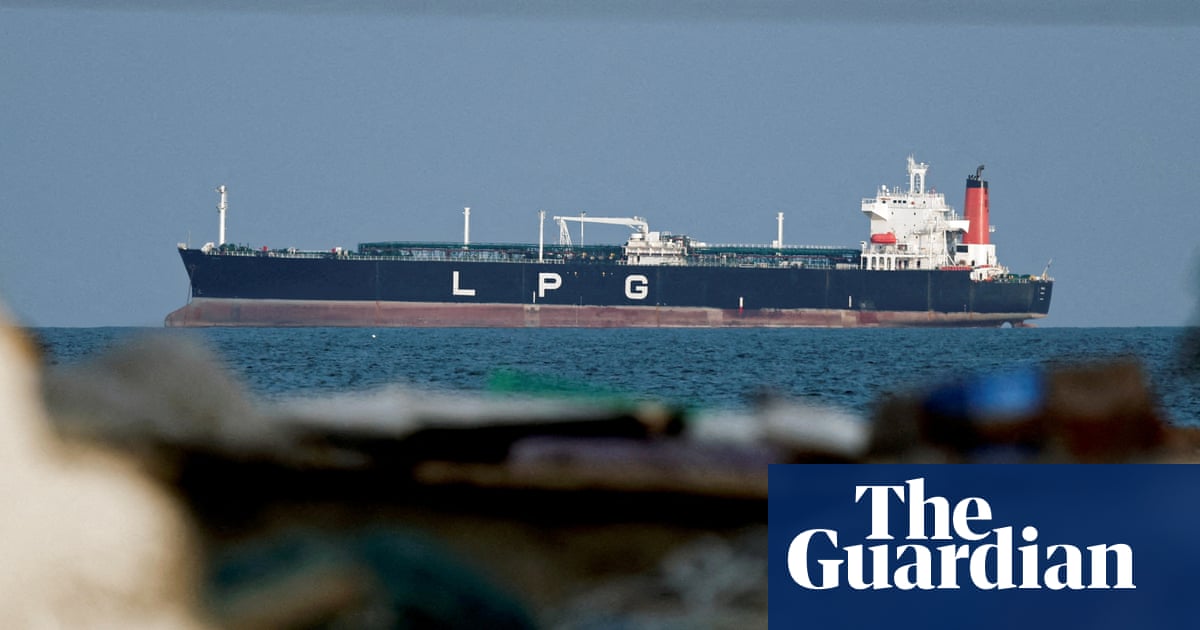
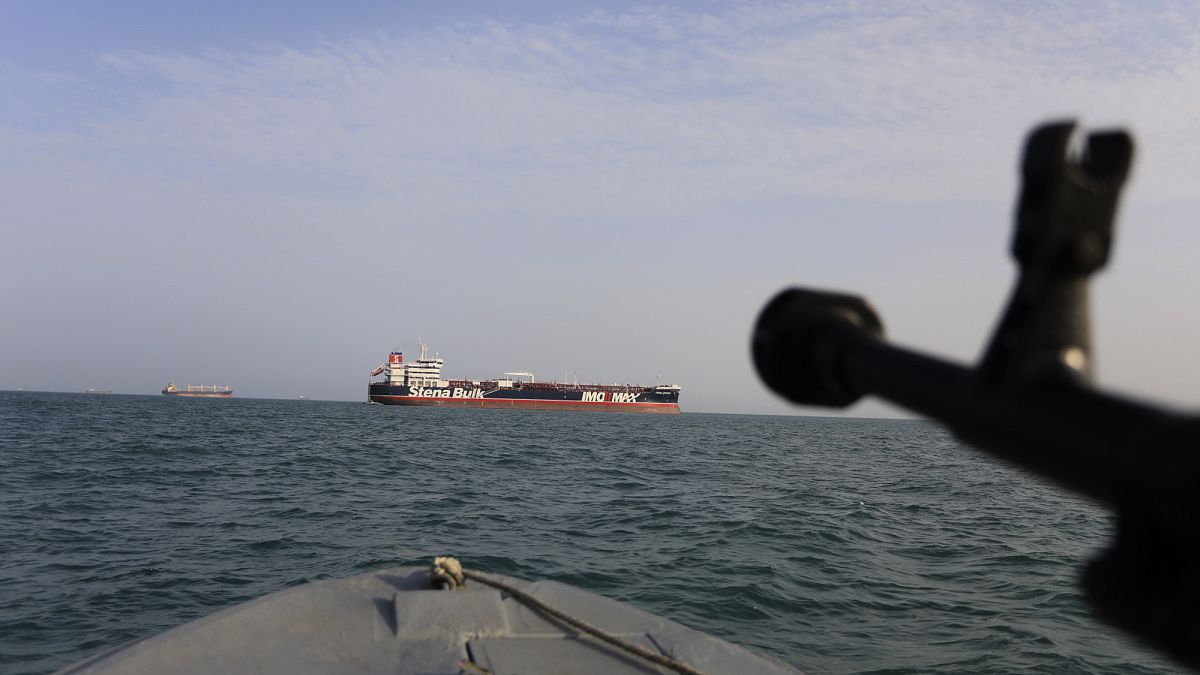
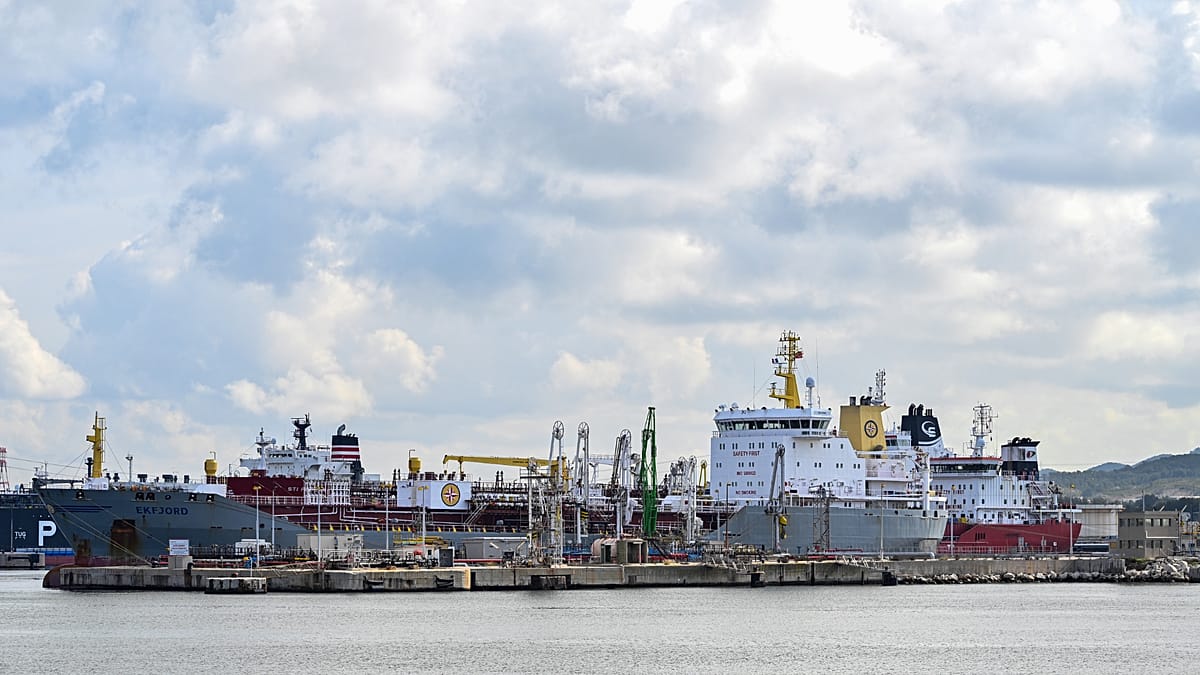
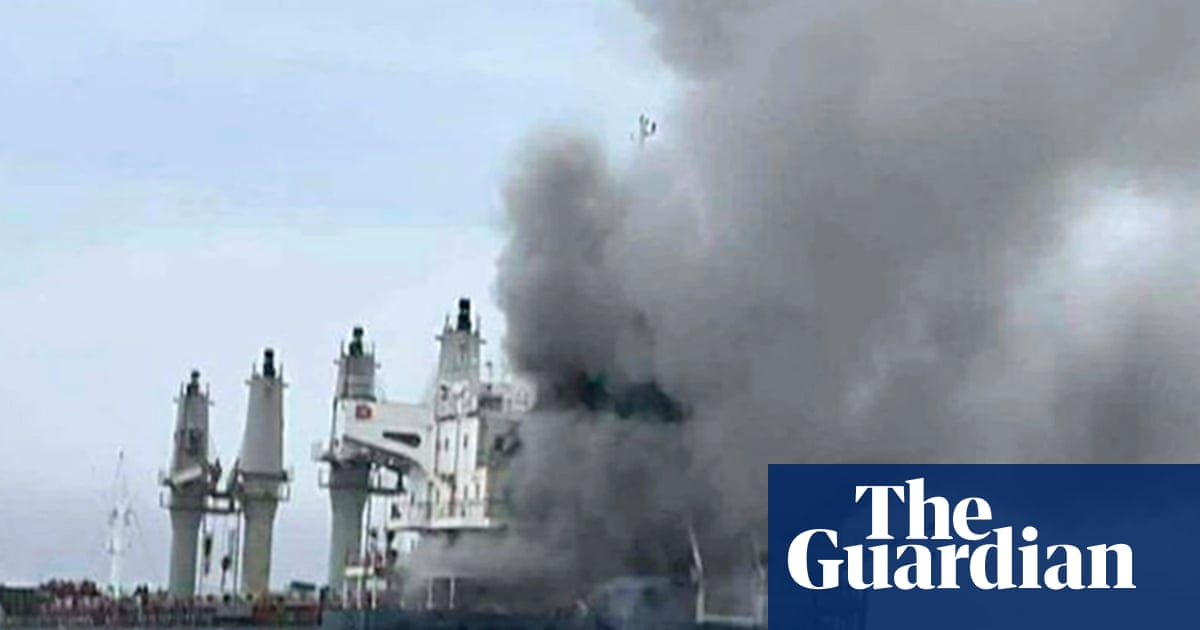
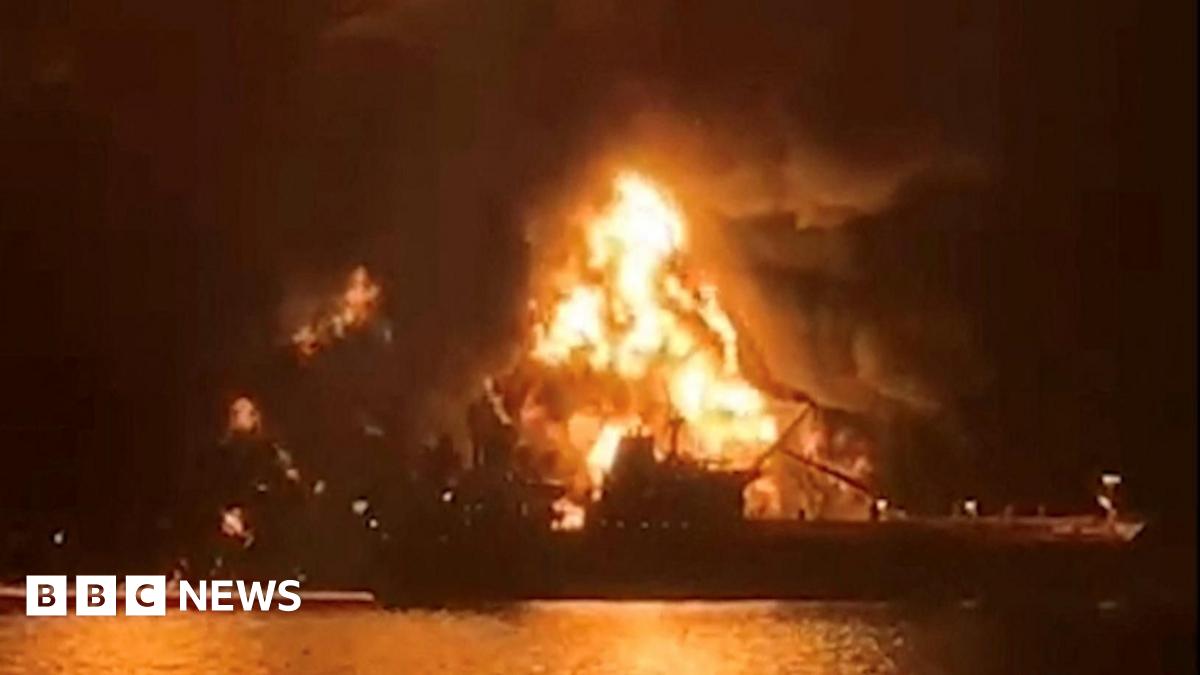
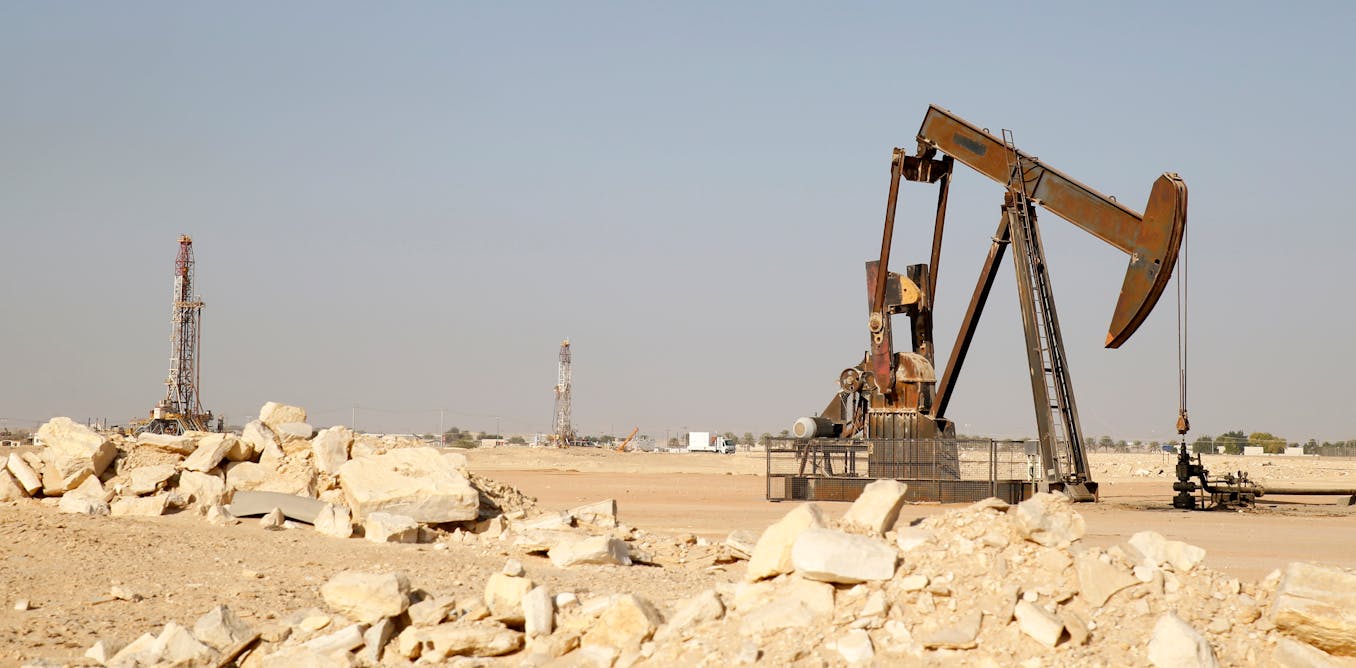
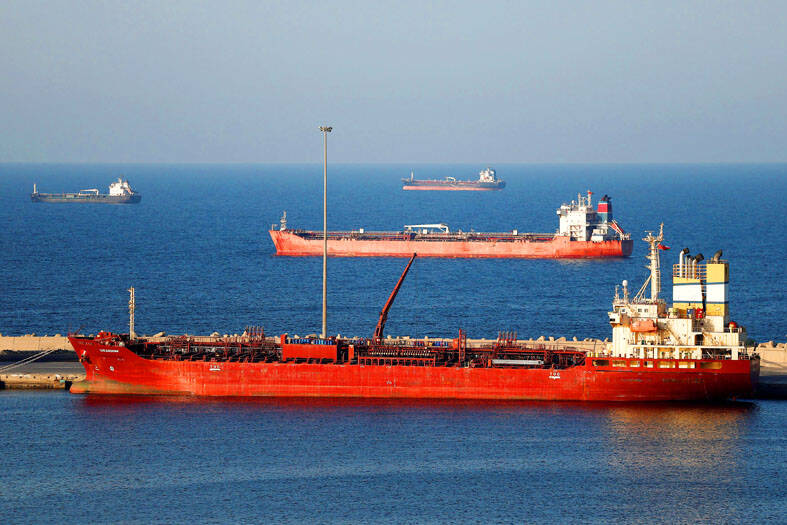
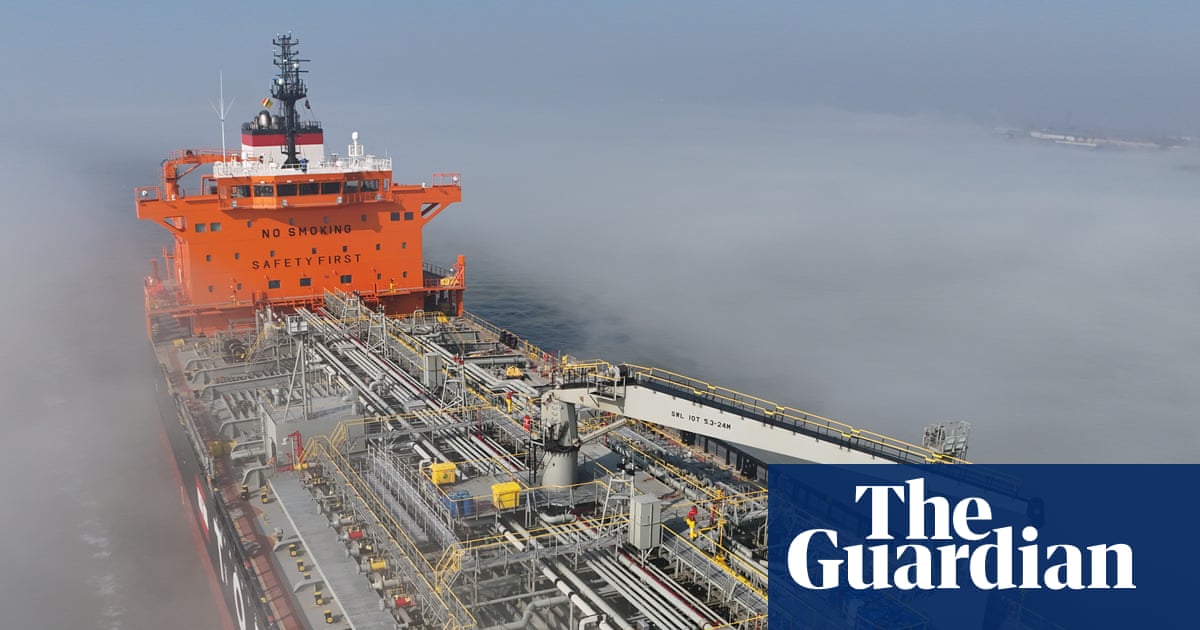
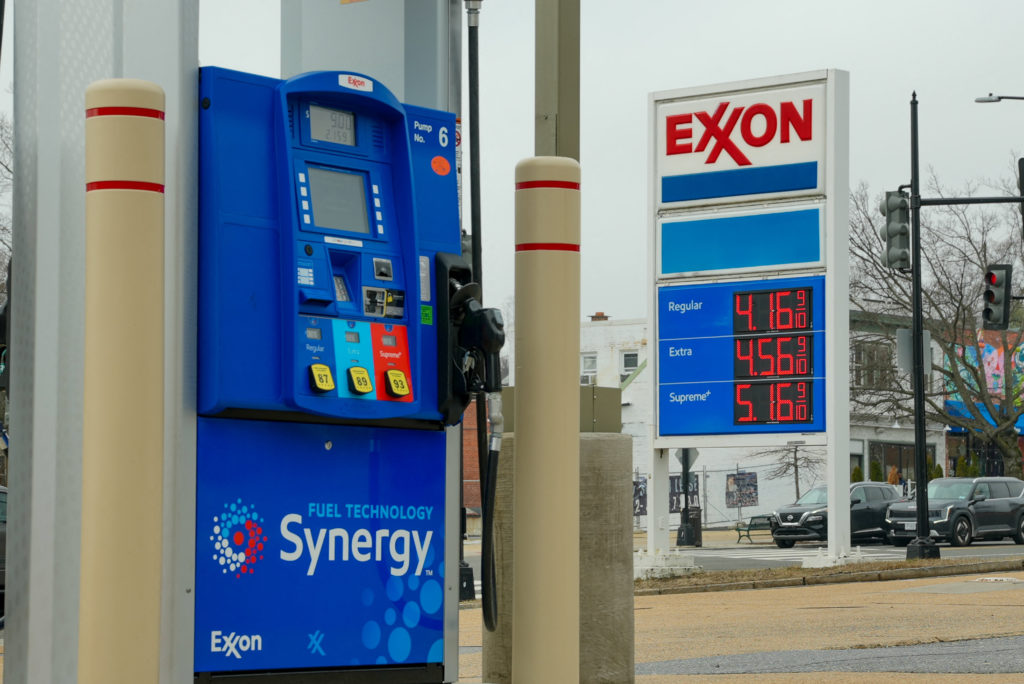
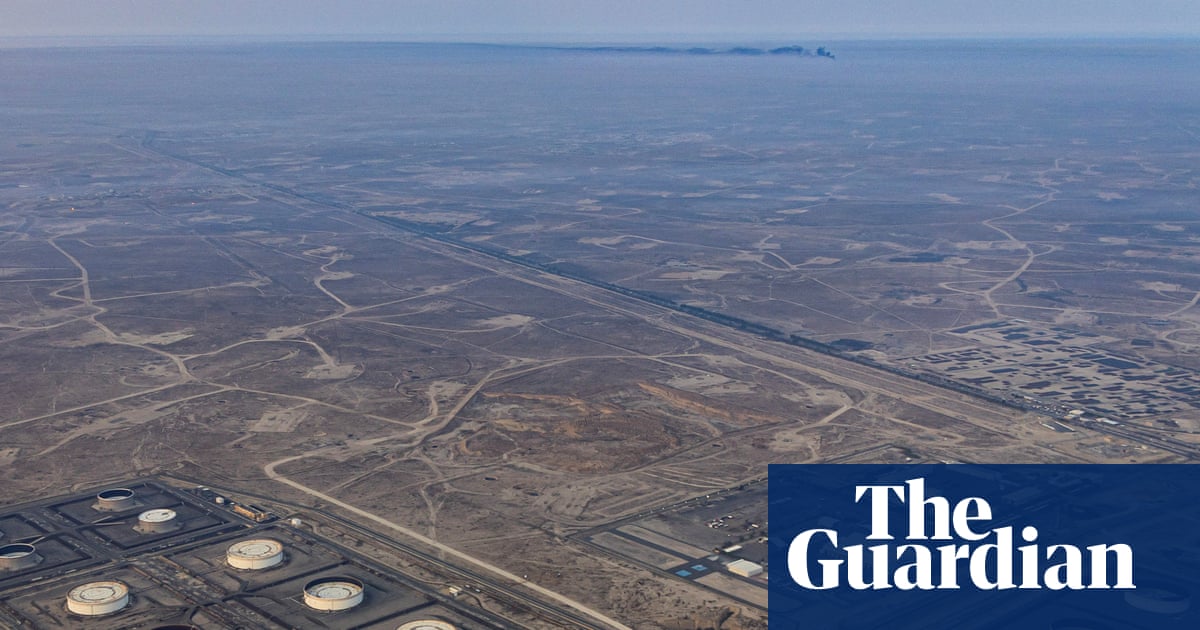
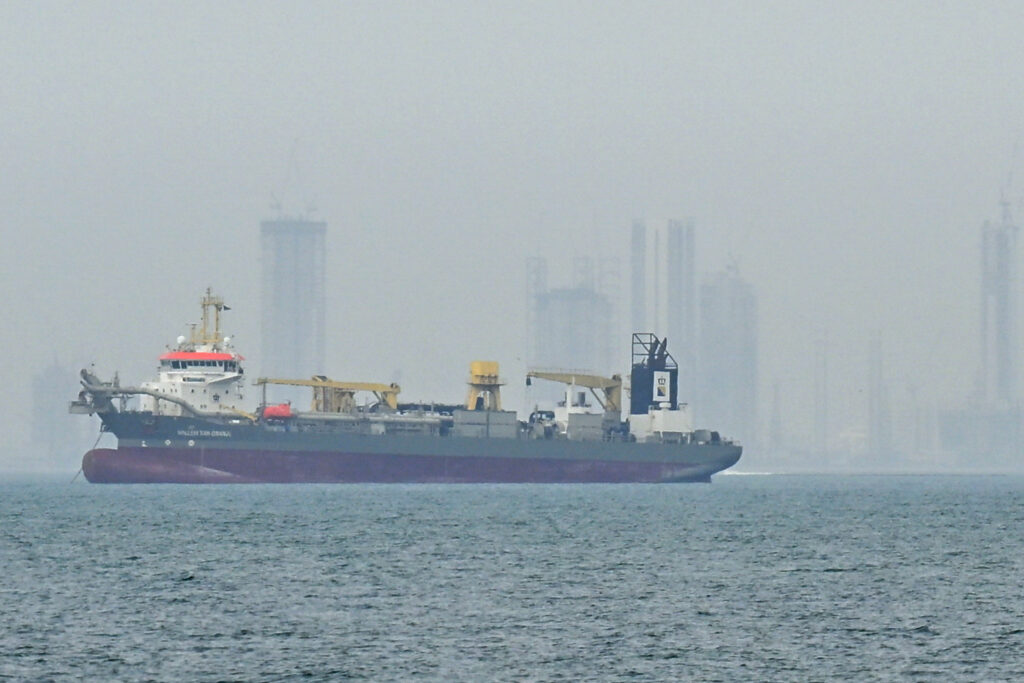
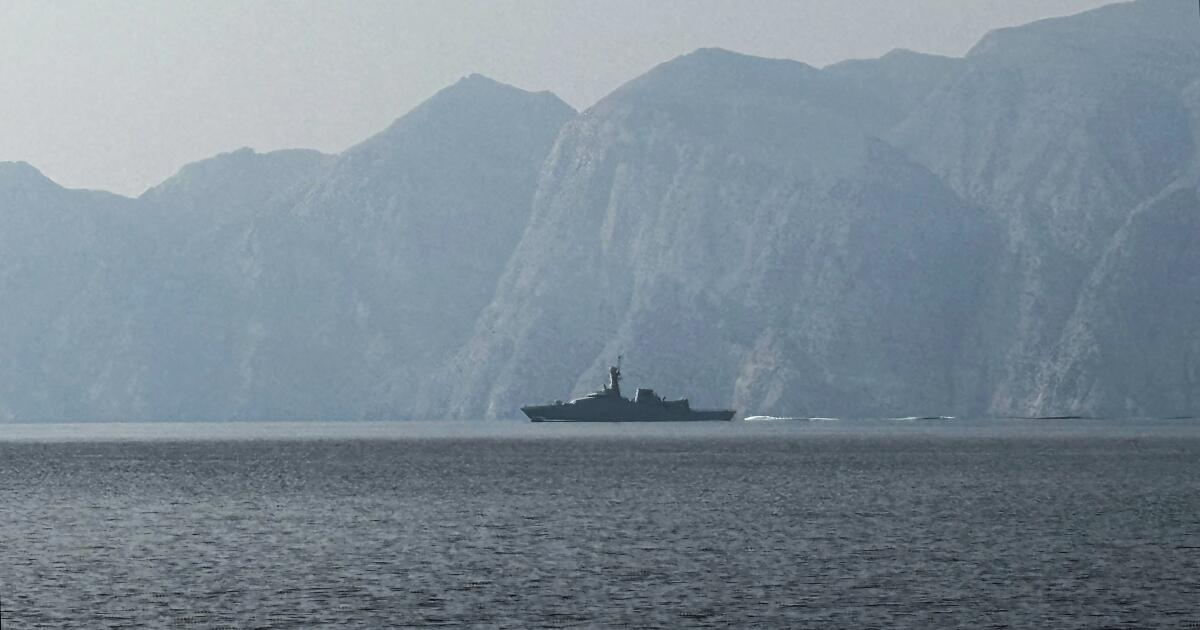
Estados Unidos e Israel realizaron ataques militares contra Irán, generando preocupación global por posibles interrupciones en el suministro de petróleo y provocando un aumento significativo en los precios. Estas acciones desestabilizaron los mercados energéticos, con precios que superaron los 100 dólares por barril debido al temor de un conflicto prolongado y problemas en las cadenas de suministro. El conflicto se intensificó cuando Irán lanzó ataques con misiles y drones contra refinerías en el Golfo, aumentando las tensiones y llevando a EE. UU. a considerar medidas militares adicionales. Conforme avanzaba el conflicto, EE. UU. levantó temporalmente sanciones sobre el petróleo iraní para estabilizar los precios elevados, mientras que la Agencia Internacional de Energía reportó la mayor crisis de suministro de petróleo en la historia debido a la guerra. El cierre del Estrecho de Ormuz por parte de Irán interrumpió las cadenas globales de suministro, provocando precios récord en la gasolina en EE.
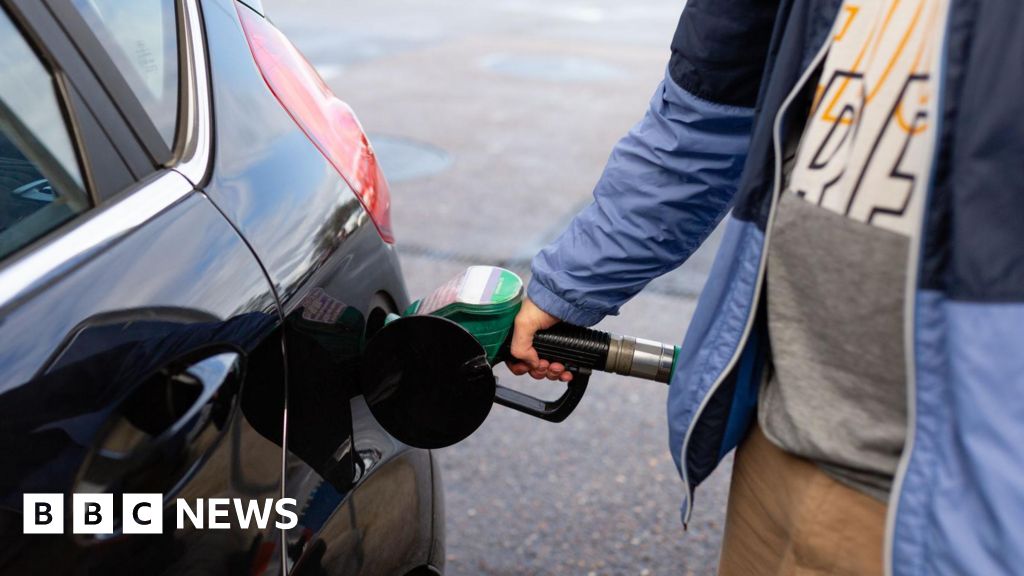
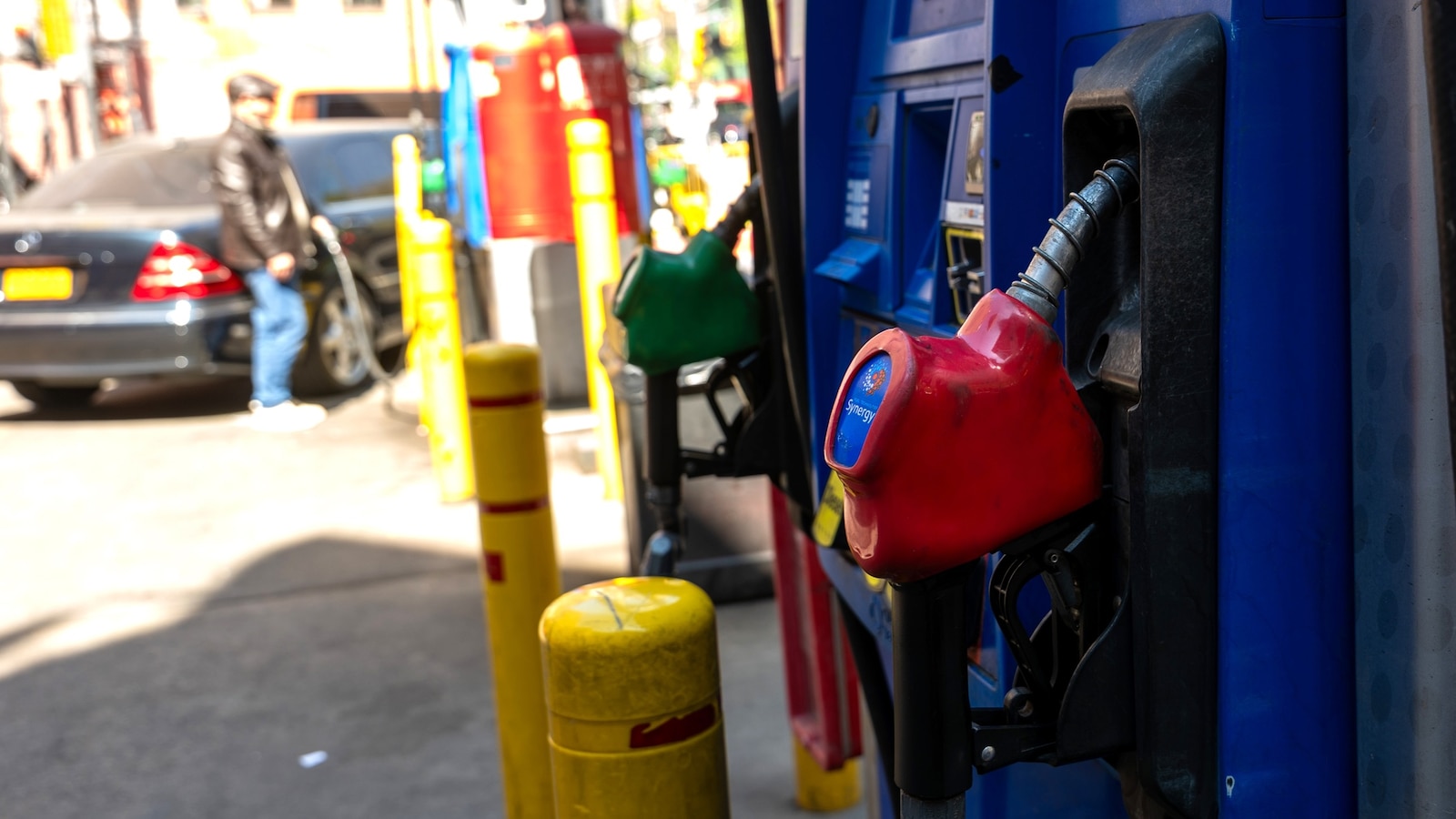
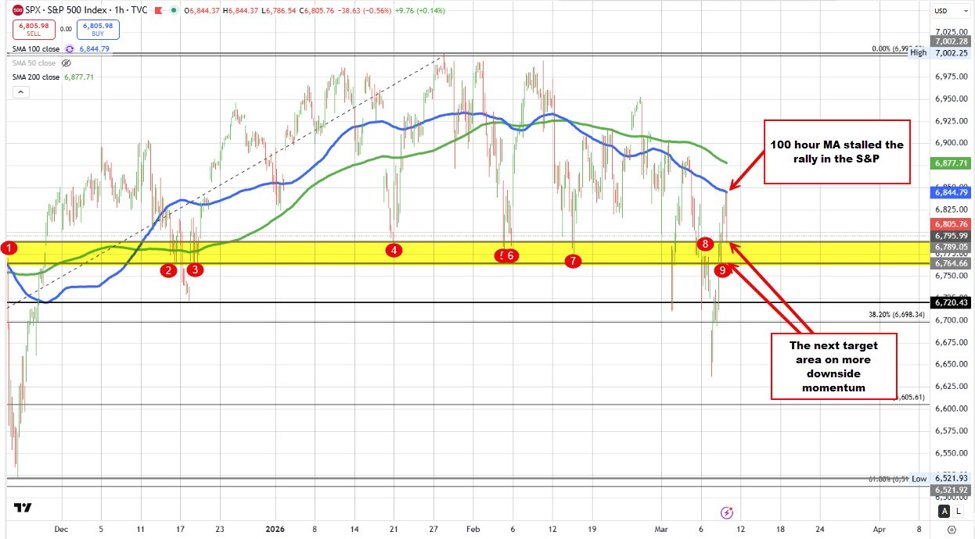
UU. y desafíos económicos a nivel mundial. Analistas advirtieron que la recuperación de la producción de petróleo y gas podría tardar hasta dos años debido a los daños extensos. Finalmente, EE. UU. e Irán acordaron un alto el fuego de dos semanas, reabriendo el Estrecho de Ormuz y aliviando algunas interrupciones en el suministro. Este acuerdo provocó una caída en los precios del petróleo y un repunte en los mercados bursátiles globales, aunque expertos señalaron que los precios elevados de la gasolina, alimentos y viajes podrían persistir durante meses. A pesar del alto el fuego, los precios del petróleo continuaron siendo volátiles debido a la incertidumbre geopolítica y señales mixtas en las negociaciones de paz.