OpenAI's AI Challenges Exponential Time Hypothesis in Mathematics


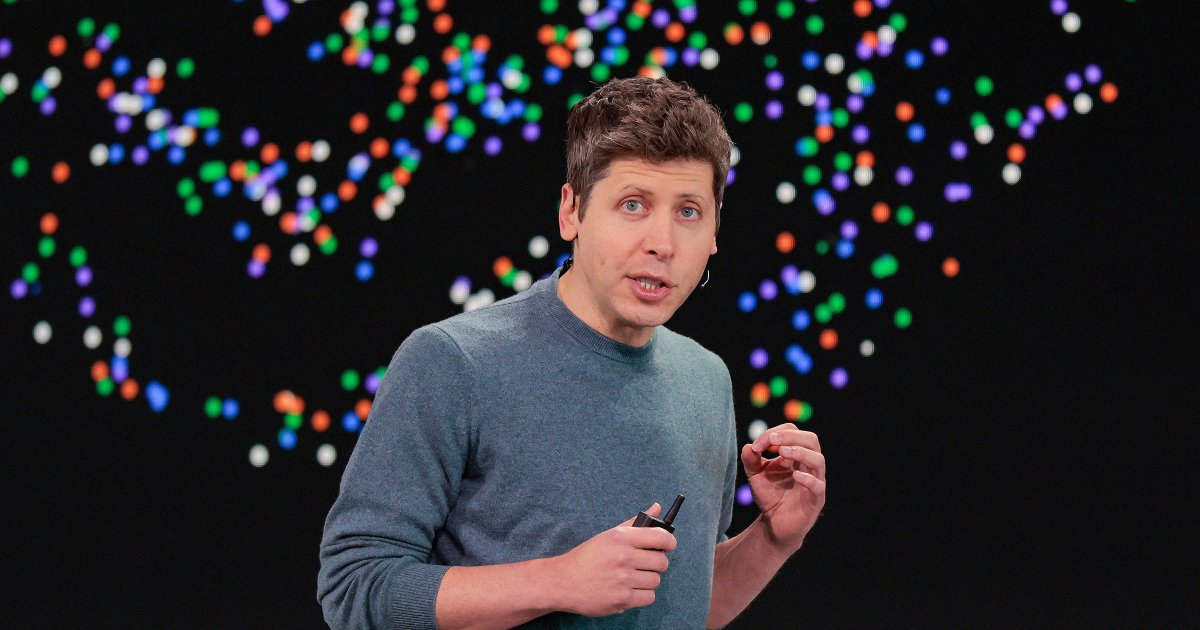
OpenAI CEO Sam Altman addressed the impact of artificial intelligence on mathematics during October 2026, emphasizing the need to continue advancing research for humanity's benefit. This followed OpenAI's announcement that its AI system had produced a formal disproof of the Exponential Time Hypothesis, a longstanding problem in computational complexity theory. The AI-generated results also included breakthroughs related to the Kakeya conjecture and quantum chromodynamics, which sparked debate among researchers about the selective release of such findings.
Earlier in October, OpenAI and Anthropic released AI-generated proofs challenging the Exponential Time Hypothesis, prompting computer scientists and mathematicians to reassess decades of theoretical work. OpenAI claimed its AI models solved certain computational problems in sub-exponential time, which, if verified, would refute the hypothesis. These developments triggered mixed reactions within the scientific community regarding the implications for computational complexity and the role of AI in mathematical discovery.