Científicos de Stanford crean ratones con tejido cerebral humano

Científicos de Stanford crean ratones con tejido cerebral humano

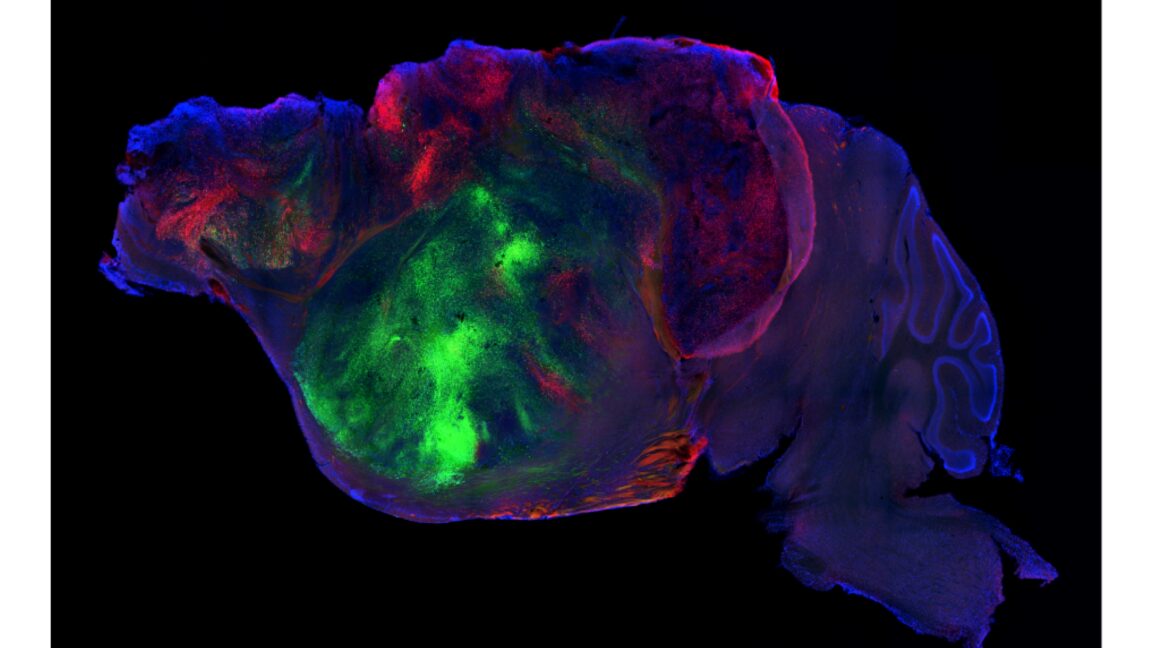
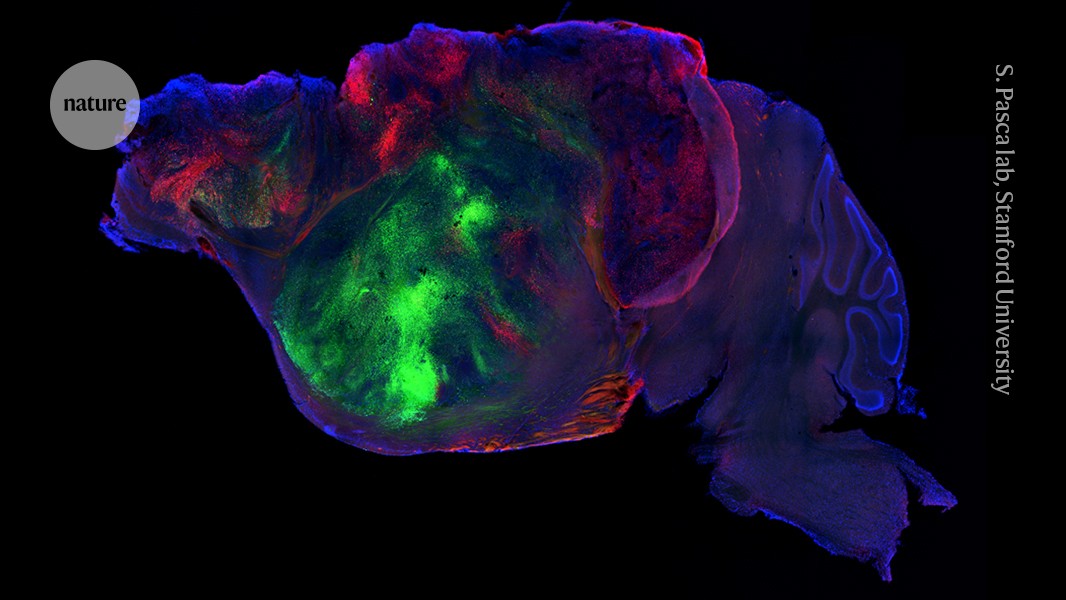
Investigadores de Stanford informaron que implantaron neuronas humanas en ratones, creando cerebros quiméricos que pueden constituir hasta la mitad del volumen total, con el objetivo de modelar enfermedades neurológicas como la esquizofrenia y la parálisis cerebral. Un estudio publicado en Nature describió que el tejido cerebral humano cultivado en laboratorio se trasplantó a ratones modificados genéticamente para carecer de corteza cerebral, donde las células humanas llenaron la mayor parte del espacio vacío y establecieron conexiones neuronales, ofreciendo una plataforma para investigar trastornos del desarrollo neurológico.

Ars Technica señaló que los ratones diseñados mostraron una restauración limitada de funciones cerebrales tras la integración de los organoides. El New York Post también cubrió la implantación de los organoides corticales en estos ratones como un nuevo modelo para la investigación de trastornos neurodesarrollamentales.

Actores

Sergiu Pașca Stanford University Nature Madeline Lancaster

Ubicaciones

Stanford, California, United States

Artículos

21 de septiembre de 2026
2 en total
Scientists create living mice with half-human brains

Yahoo • 21 de sep 21:15

Scientists at Stanford have implanted human brain cells into genetically modified mice, creating chimeric brains that constitute up to half the organ’s volume, to study neurological disorders.

Credibilidad 72% Manip. 9% Centro
Scientists create living mice with half-human brains

geekspin • 21 de sep 21:15

Scientists at Stanford have implanted human neurons into mice, creating chimeric brains that comprise up to half the volume, to model conditions such as schizophrenia and cerebral palsy.

Credibilidad 78% Manip. 8% Centro
18 de septiembre de 2026
1 en total
Stanford geniuses create lab rats with half-human brains

New York Post • 18 de sep 17:44

Scientists at Stanford have implanted lab-grown human cortical organoids into genetically modified mice lacking most of their cortex, creating a model to study neurodevelopmental disorders.

Credibilidad 78% Manip. 9% Centro
16 de septiembre de 2026
2 en total
Researchers swap in human brain cells for a mouse's cortex

Ars Technica • 16 de sep 19:08

Stanford researchers engineered mice lacking most of their cerebral cortex and implanted human cortical organoids, which integrated and restored limited brain functions.

Credibilidad 78% Manip. 7% Centro
Human brain cells transplanted into mice in ‘most extensive’ integration ever

Nature • 16 de sep 18:20

Researchers transplanted lab-grown human brain tissue into genetically modified mice without a cerebral cortex, where the human cells filled most of the empty space and formed neural connections, creating a new platform for studying neurodevelopmental disorders.

Credibilidad 87% Manip. 9% Centro