Astronomers Detect First Auroral Radio Emissions from Exoplanet Beta Pictoris b

Astronomers Detect First Auroral Radio Emissions from Exoplanet Beta Pictoris b

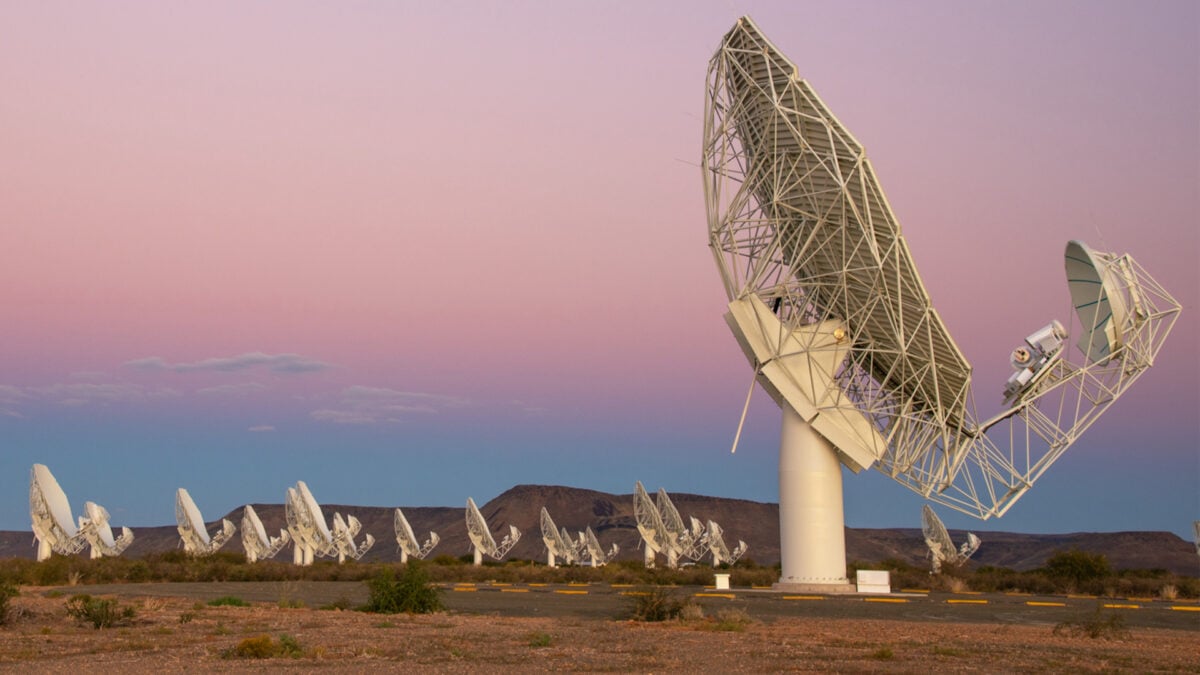
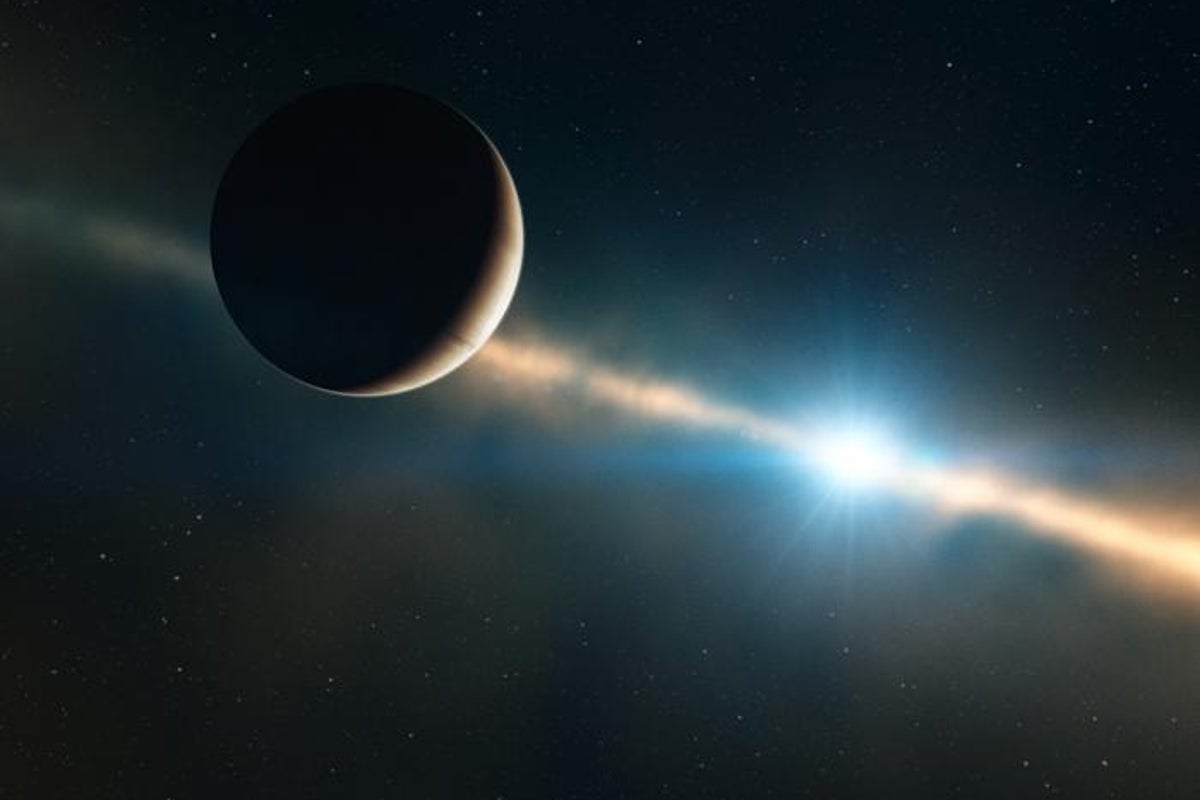
A team of researchers reported the first direct detection of auroral radio waves from the gas-giant exoplanet Beta Pictoris b, indicating a magnetic field far stronger than Jupiter’s. Earlier reports using South Africa’s MeerKAT radio telescope array described faint, repeating radio bursts that line up with the planet’s position, enabling the first measurement of its magnetic field (Gizmodo).

The New York Post noted the bursts were attributed to powerful auroral activity. NewsNation later said scientists consider the signals to be natural magnetic activity rather than evidence of extraterrestrial intelligence.

Actors

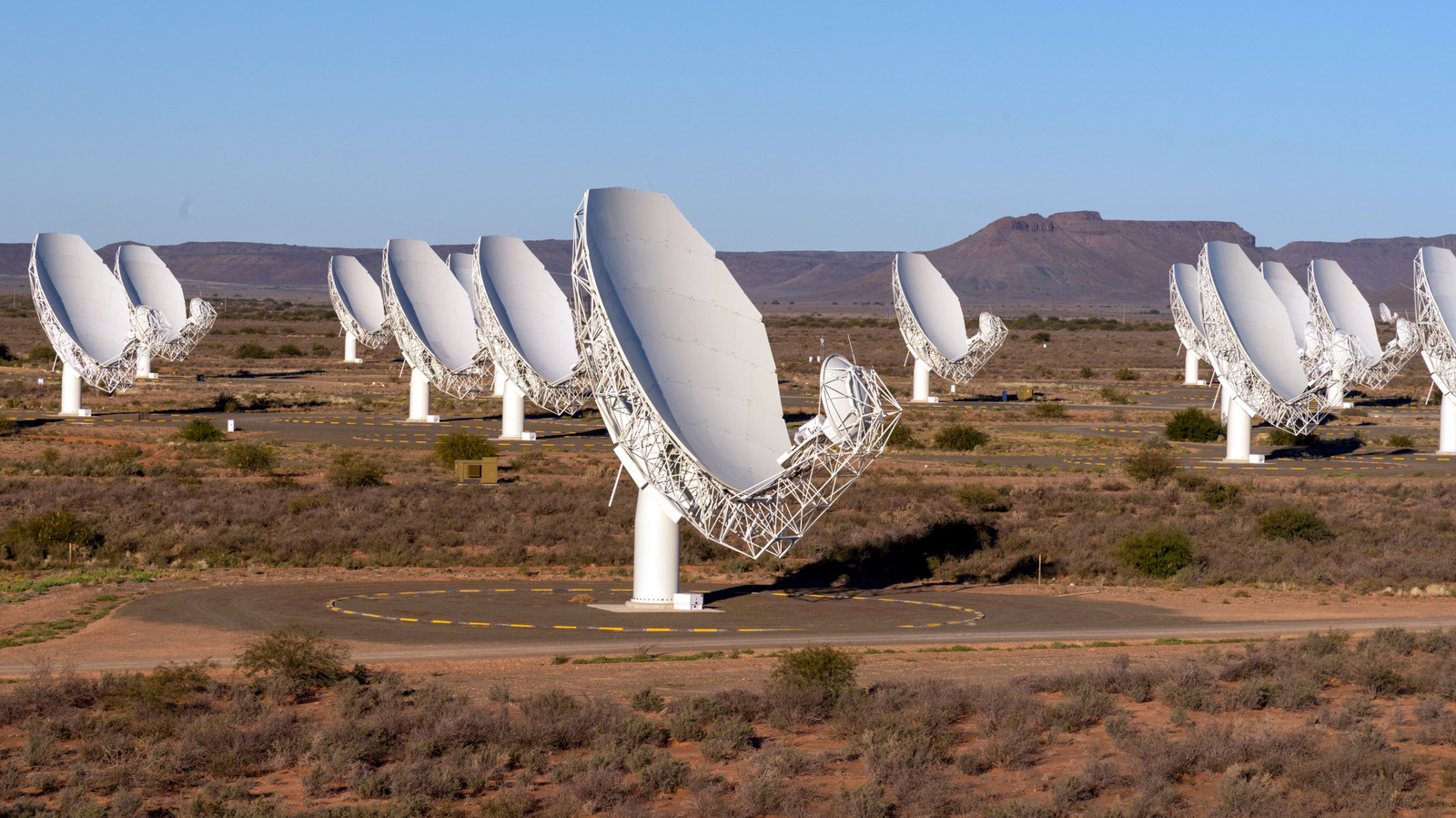
Astronomers using the MeerKAT radio telescope array MeerKAT radio telescope array Independent astronomer Joe Callingham

Locations

MeerKAT radio telescope array, South Africa
Verdict: Partially confirmed Confidence: 70% Claims: 2
At a glance

Both claims regarding Beta Pictoris b were partially confirmed. The strength of its magnetic field was found to be over 1,250 Gauss, but some specific details remain unverified. The measurement of Beta Pictoris b's magnetic field was identified as the first direct measurement of an exoplanet’s magnetic strength, though some aspects of this claim are not fully confirmed.

Sign in or subscribe to unlock the full breakdown: claims, sources, and validations.

This section contains an automated verification of claims against external sources and may contain inaccuracies.

Articles

October 02, 2026
2 total
Astronomers Detect Auroral Radio Emissions From Exoplanet Beta Pictoris b

bgr.com • 02 Oct 23:17

Using South Africa's MeerKAT radio telescope array, researchers identified persistent auroral radio waves from the gas giant Beta Pictoris b, allowing the first measurement of an exoplanet's magnetic field.

Credibility 72% Manip. 9% Center
Astronomers Detect First Radio Emission From Exoplanet Beta Pictoris b

CNN • 02 Oct 12:30

A team of researchers reports the first direct detection of auroral radio waves from the gas-giant exoplanet Beta Pictoris b, indicating a magnetic field far stronger than Jupiter's.

Credibility 72% Manip. 7% Center
September 30, 2026
1 total
Astronomers Detect Radio Emissions from Distant Exoplanet, Experts Say Likely Natural

NewsNation • 30 Sep 14:55

Radio waves were observed from the gas giant Beta Pictoris b using South Africa's MeerKAT telescope; scientists attribute the signals to natural magnetic activity rather than extraterrestrial intelligence.

Credibility 68% Manip. 9% Center
September 26, 2026
1 total
Astronomers detect radio emissions from exoplanet Beta Pictoris b

New York Post • 26 Sep 16:06

Researchers using South Africa's MeerKAT array identified radio bursts from the young gas giant Beta Pictoris b, attributing them to powerful auroral activity and measuring its magnetic field for the first time.

Credibility 46% Manip. 12% Center
September 23, 2026
2 total
Astronomers Detect Radio Emissions From Exoplanet Beta Pictoris b

Gizmodo • 23 Sep 20:55

Using South Africa's MeerKAT telescope, researchers identified faint, repeating radio bursts that align with the position of the gas giant Beta Pictoris b, allowing the first measurement of an exoplanet's magnetic field strength.

Credibility 72% Manip. 9% Center
Astronomers Detect First Direct Radio Emission From Exoplanet Beta Pictoris b

The Independent • 23 Sep 08:24

Using South Africa's MeerKAT array, researchers identified auroral radio bursts from the gas giant Beta Pictoris b, indicating a magnetic field over 1,250 Gauss, the first direct measurement of an exoplanet’s magnetic strength.

Credibility 71% Manip. 8% Center