Astronomers Detect First Auroral Radio Emissions from Exoplanet Beta Pictoris b

Astronomers Detect First Auroral Radio Emissions from Exoplanet Beta Pictoris b

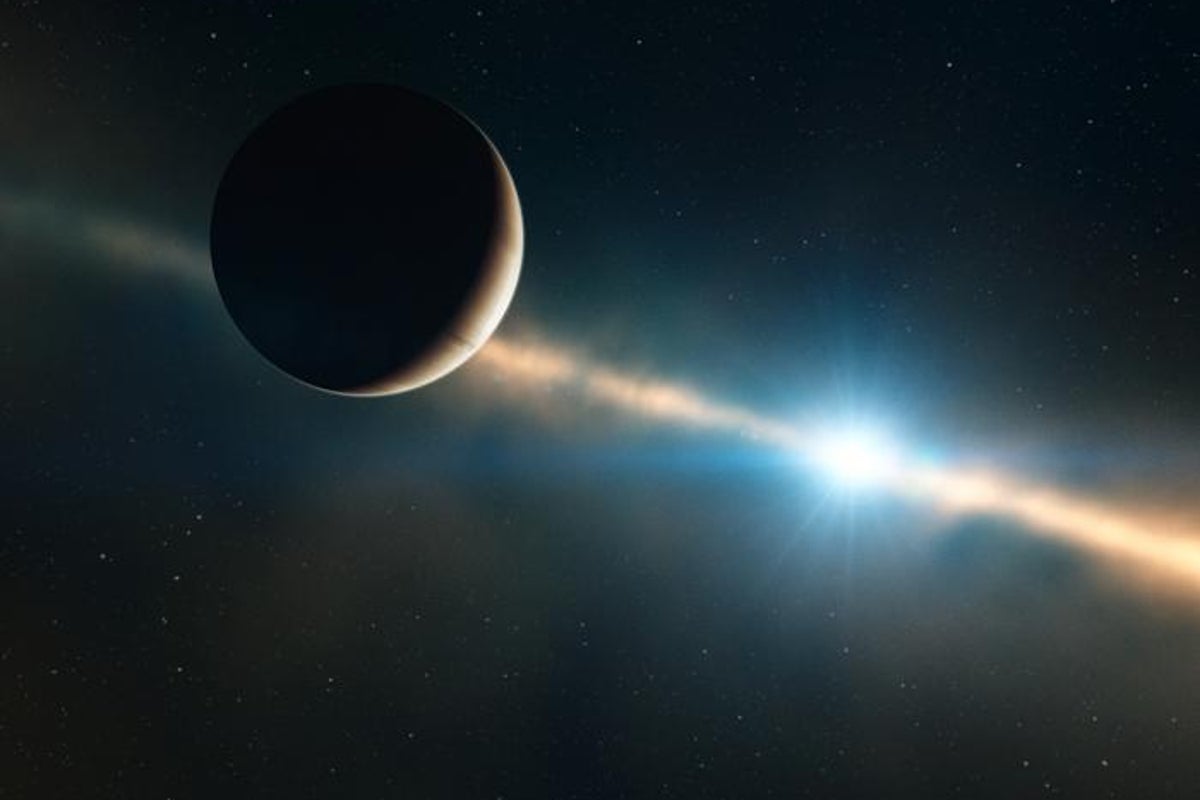
A team of researchers reported the first direct detection of auroral radio waves from the gas-giant exoplanet Beta Pictoris b, indicating a magnetic field far stronger than Jupiter’s. Earlier reports using South Africa’s MeerKAT radio telescope array described faint, repeating radio bursts that line up with the planet’s position, enabling the first measurement of its magnetic field (Gizmodo).

The New York Post noted the bursts were attributed to powerful auroral activity. NewsNation later said scientists consider the signals to be natural magnetic activity rather than evidence of extraterrestrial intelligence.

अभिनेताओं

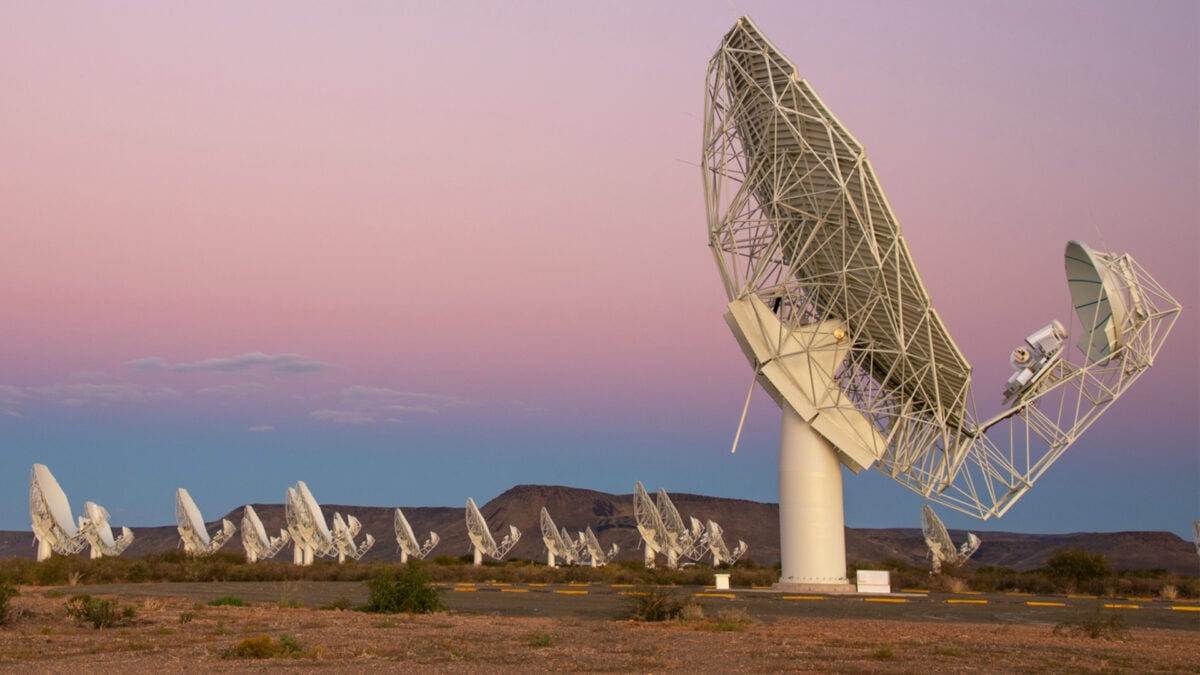
Astronomers using the MeerKAT radio telescope array MeerKAT radio telescope array Independent astronomer Joe Callingham

स्थान

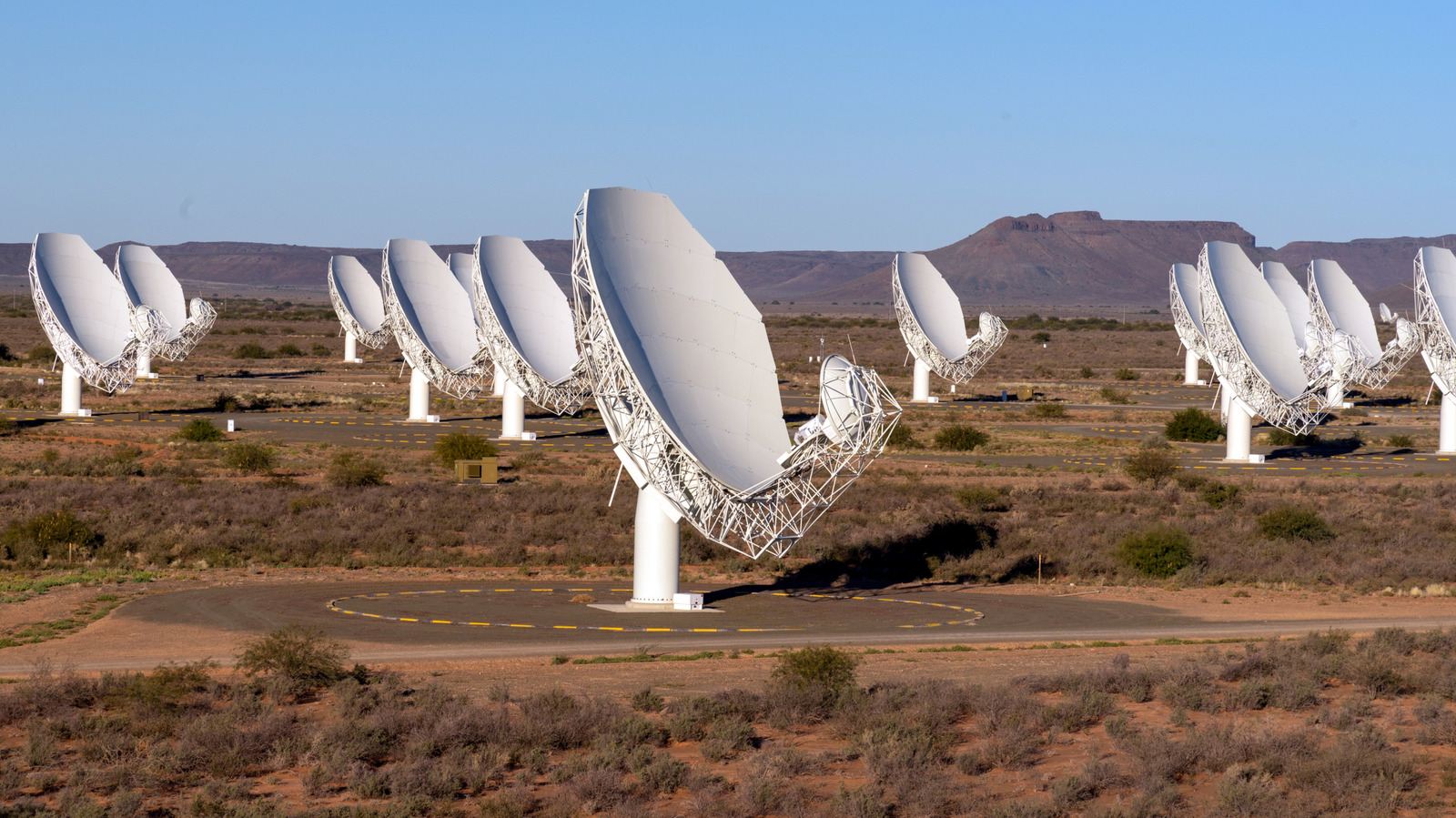
MeerKAT radio telescope array, South Africa
फ़ैसला: आंशिक रूप से पुष्ट विश्वास स्तर: 70% दावे: 2
एक नज़र में

Both claims regarding Beta Pictoris b were partially confirmed. The strength of its magnetic field was found to be over 1,250 Gauss, but some specific details remain unverified. The measurement of Beta Pictoris b's magnetic field was identified as the first direct measurement of an exoplanet’s magnetic strength, though some aspects of this claim are not fully confirmed.

पूर्ण विवरण अनलॉक करने के लिए साइन इन करें या सदस्यता लें: दावे, स्रोत और सत्यापन।

इस अनुभाग में बाहरी स्रोतों के विरुद्ध दावों का स्वचालित सत्यापन है और इसमें अशुद्धियाँ हो सकती हैं।

लेख

02 अक्टूबर 2026
2 कुल
Astronomers Detected Radio Signals From An Alien Planet - Here's What We Know

bgr.com • 02 अक्टू 23:17

Using South Africa's MeerKAT radio telescope array, researchers identified persistent auroral radio waves from the gas giant Beta Pictoris b, allowing the first measurement of an exoplanet's magnetic field.

विश्वसनीयता 72% हेरफेर 9% मध्यस्थ
Astronomers detect first-ever radio emission from an exoplanet

CNN • 02 अक्टू 12:30

A team of researchers reports the first direct detection of auroral radio waves from the gas-giant exoplanet Beta Pictoris b, indicating a magnetic field far stronger than Jupiter's.

विश्वसनीयता 72% हेरफेर 7% मध्यस्थ
30 सितंबर 2026
1 कुल
Radio waves detected on faraway planet — from aliens?

NewsNation • 30 सितं 14:55

Radio waves were observed from the gas giant Beta Pictoris b using South Africa's MeerKAT telescope; scientists attribute the signals to natural magnetic activity rather than extraterrestrial intelligence.

विश्वसनीयता 68% हेरफेर 9% मध्यस्थ
26 सितंबर 2026
1 कुल
Reseachers detect radio signal from planet beyond Solar System

New York Post • 26 सितं 16:06

Researchers using South Africa's MeerKAT array identified radio bursts from the young gas giant Beta Pictoris b, attributing them to powerful auroral activity and measuring its magnetic field for the first time.

विश्वसनीयता 46% हेरफेर 12% मध्यस्थ
23 सितंबर 2026
2 कुल
Astronomers Finally Pick Up Radio Signals From a Planet Beyond Our Solar System

Gizmodo • 23 सितं 20:55

Using South Africa's MeerKAT telescope, researchers identified faint, repeating radio bursts that align with the position of the gas giant Beta Pictoris b, allowing the first measurement of an exoplanet's magnetic field strength.

विश्वसनीयता 72% हेरफेर 9% मध्यस्थ
Strange radio signal detected from exoplanet for first time

The Independent • 23 सितं 08:24

Using South Africa's MeerKAT array, researchers identified auroral radio bursts from the gas giant Beta Pictoris b, indicating a magnetic field over 1,250 Gauss, the first direct measurement of an exoplanet’s magnetic strength.

विश्वसनीयता 71% हेरफेर 8% मध्यस्थ