Stanford scientists create chimeric mice with human brain tissue

Stanford scientists create chimeric mice with human brain tissue

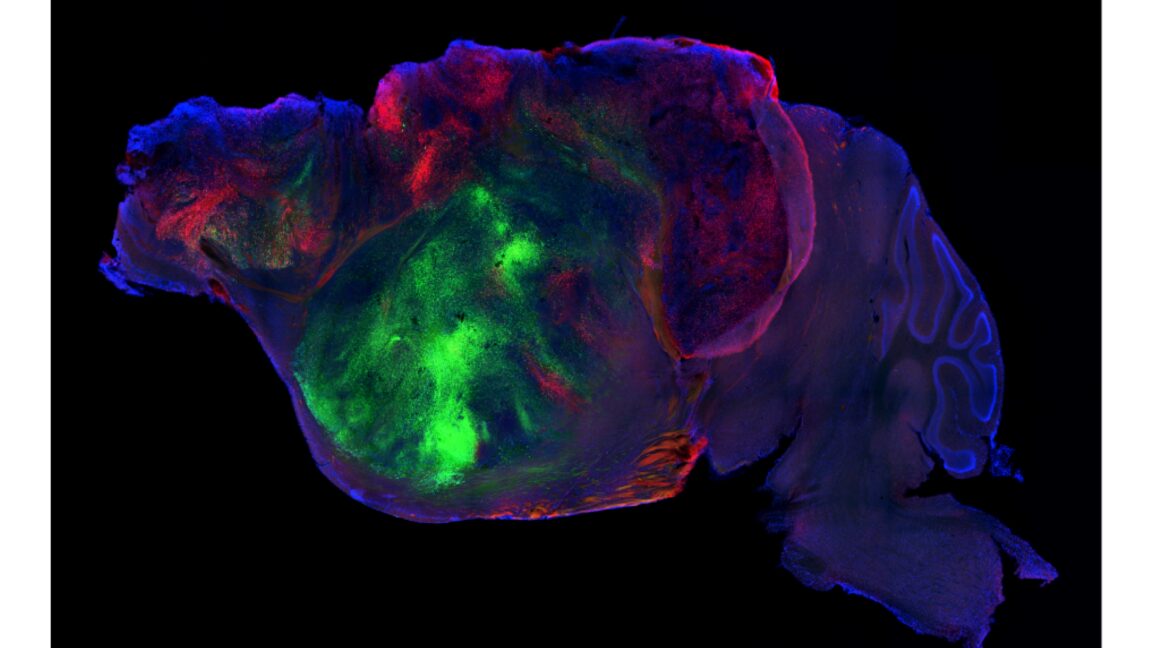
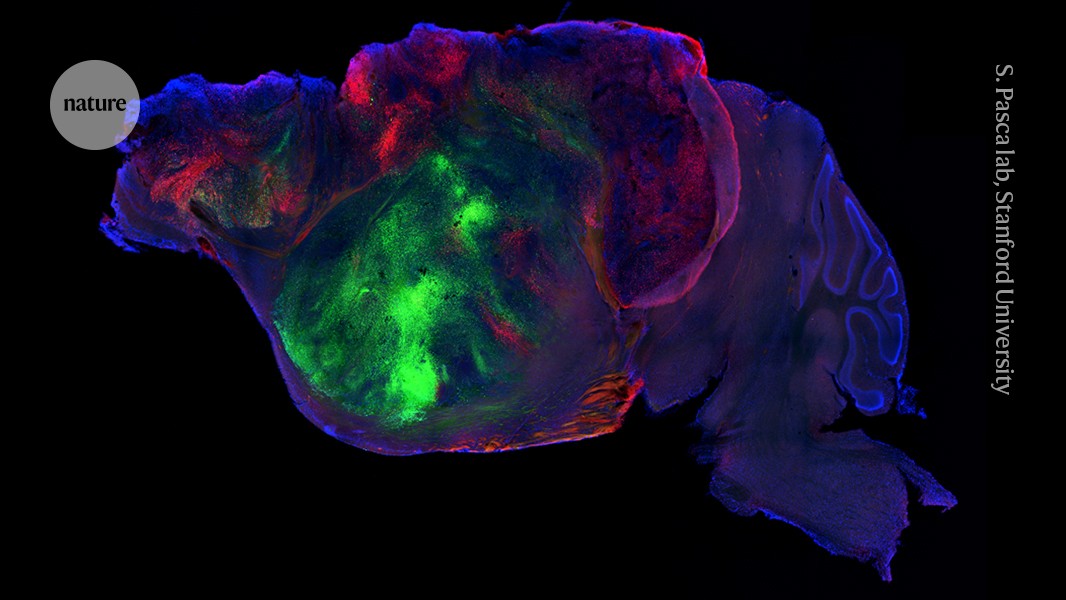
Stanford researchers reported that they have implanted human neurons into mice, creating chimeric brains that make up to half of the total brain volume, to model neurological conditions such as schizophrenia and cerebral palsy. Earlier work described in a Nature paper showed that lab-grown human brain tissue was transplanted into mice genetically modified to lack a cerebral cortex, where the human cells filled most of the empty space and formed neural connections, providing a platform for studying neurodevelopmental disorders.

Subsequent reporting by Ars Technica noted that the engineered mice displayed limited restoration of brain functions after the human cortical organoids integrated. The New York Post also highlighted the implantation of the organoids into the cortex-deficient mice as a new model for neurodevelopmental disease research.

Actors

Sergiu Pașca Stanford University Nature Madeline Lancaster

Locations

Stanford, California, United States

Articles

September 21, 2026
2 total
Stanford researchers grow human brain tissue in mice for disease modeling

Yahoo • 21 Sep 21:15

Scientists at Stanford have implanted human brain cells into genetically modified mice, creating chimeric brains that constitute up to half the organ’s volume, to study neurological disorders.

Credibility 72% Manip. 9% Center
Stanford researchers develop mice with human brain tissue to study neurological disorders

geekspin • 21 Sep 21:15

Scientists at Stanford have implanted human neurons into mice, creating chimeric brains that comprise up to half the volume, to model conditions such as schizophrenia and cerebral palsy.

Credibility 78% Manip. 8% Center
September 18, 2026
1 total
Stanford researchers transplant human brain organoids into engineered mice

New York Post • 18 Sep 17:44

Scientists at Stanford have implanted lab-grown human cortical organoids into genetically modified mice lacking most of their cortex, creating a model to study neurodevelopmental disorders.

Credibility 78% Manip. 9% Center
September 16, 2026
2 total
Human brain organoids partially replace mouse cortex in new study

Ars Technica • 16 Sep 19:08

Stanford researchers engineered mice lacking most of their cerebral cortex and implanted human cortical organoids, which integrated and restored limited brain functions.

Credibility 78% Manip. 7% Center
Human brain organoids integrate extensively in mice lacking cortical cells

Nature • 16 Sep 18:20

Researchers transplanted lab-grown human brain tissue into genetically modified mice without a cerebral cortex, where the human cells filled most of the empty space and formed neural connections, creating a new platform for studying neurodevelopmental disorders.

Credibility 87% Manip. 9% Center