James Webb Telescope Identifies 'Little Red Dots' as Direct Collapse Black Holes

James Webb Telescope Identifies 'Little Red Dots' as Direct Collapse Black Holes

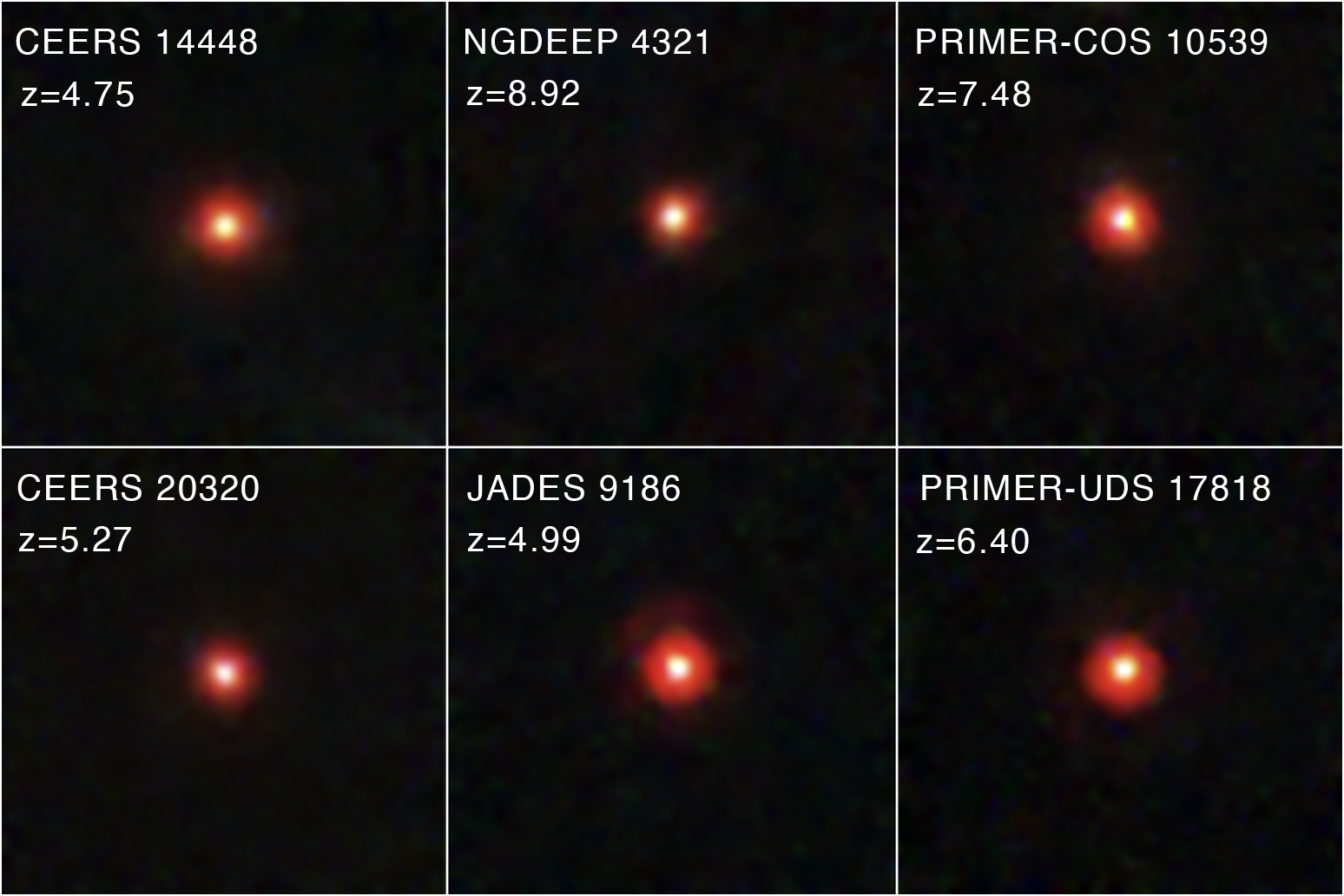
On February 1, 2026, astronomers using the James Webb Space Telescope identified mysterious 'little red dots' observed in the early universe as direct collapse black holes. These black holes are young supermassive black holes enveloped in dense gas cocoons. This discovery provides new insights into the formation and growth of early black holes shortly after the Big Bang. The identification of these objects clarifies the nature of previously unexplained red dots seen in deep space images captured by the telescope. The findings mark a significant advancement in understanding early black hole development and the conditions of the early universe.

अभिनेताओं

James Webb Space Telescope

स्थान

early universe
लेख

05 फरवरी 2026
1 कुल
The "Little Red Dots" Observed by Webb Were Direct-Collapse Black Holes

Universe Today • 05 फर 23:29

Recent studies using the James Webb Space Telescope have identified 'Little Red Dots' as direct collapse black holes, providing insights into early black hole formation.

विश्वसनीयता 90% हेरफेर 5% मध्यस्थ
01 फरवरी 2026
2 कुल
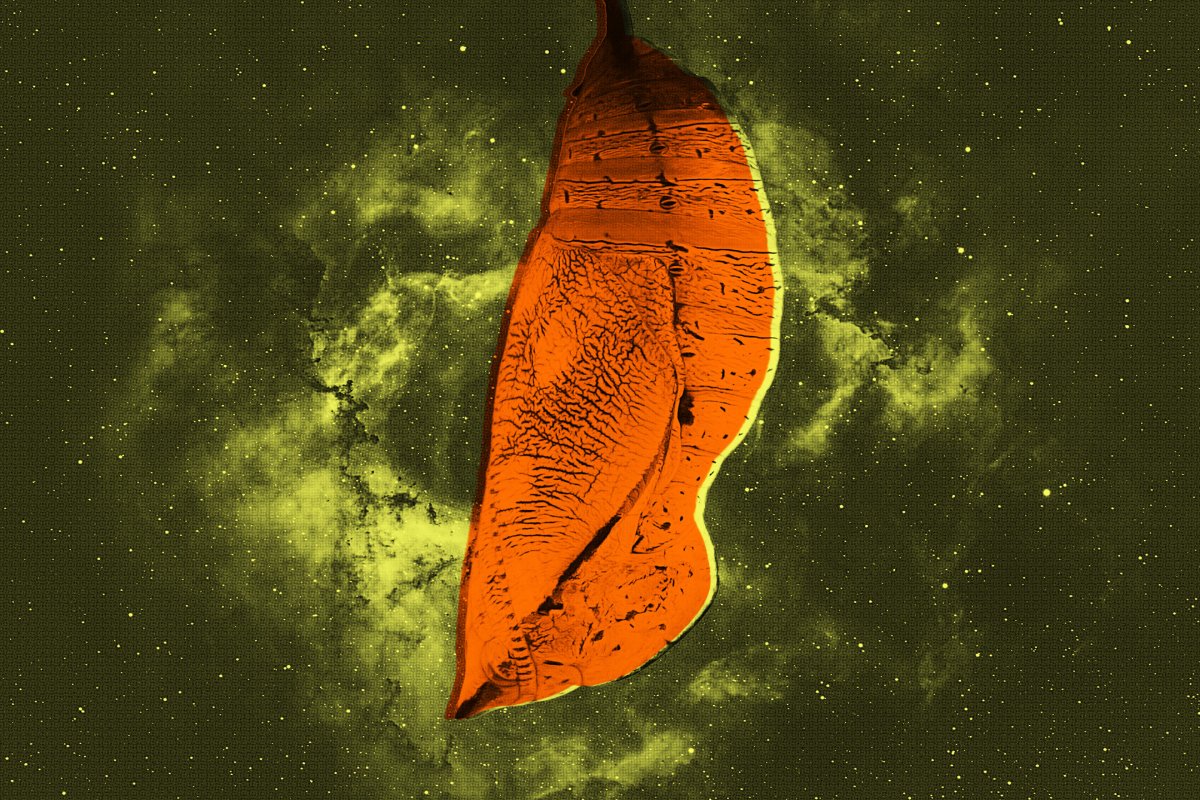
Galactic Monsters Grew in Cocoons Like Giant Bugs, Scientists Say

Futurism • 01 फर 15:30

Recent observations by the James Webb Space Telescope have revealed that 'little red dots' in the early universe are young supermassive black holes enveloped in dense gas cocoons.

विश्वसनीयता 85% हेरफेर 5% मध्यस्थ
Galactic Monsters Grew in Cocoons Like Giant Bugs, Scientists Say

Yahoo • 01 फर 15:30

Recent studies suggest that mysterious 'little red dots' observed by the James Webb Space Telescope are young supermassive black holes enveloped in dense gas, offering new insights into early black hole formation.

विश्वसनीयता 85% हेरफेर 5% मध्यस्थ