Cambridge researchers find comet impacts unlikely to seed life

Cambridge researchers find comet impacts unlikely to seed life

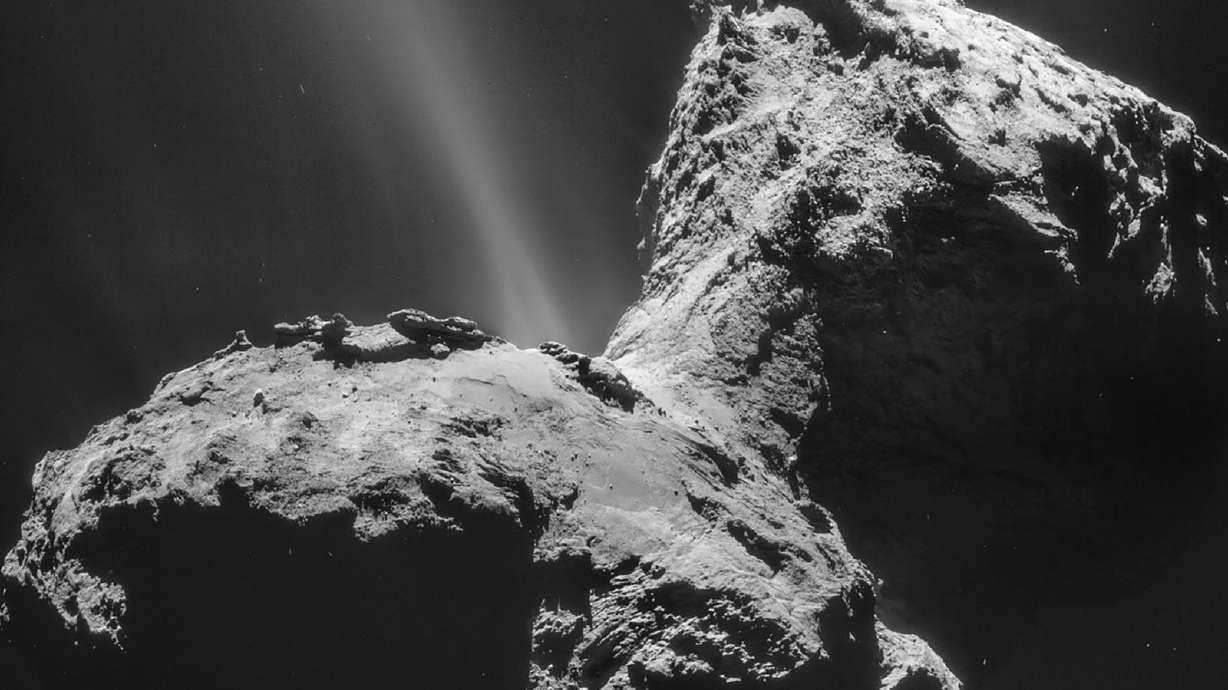
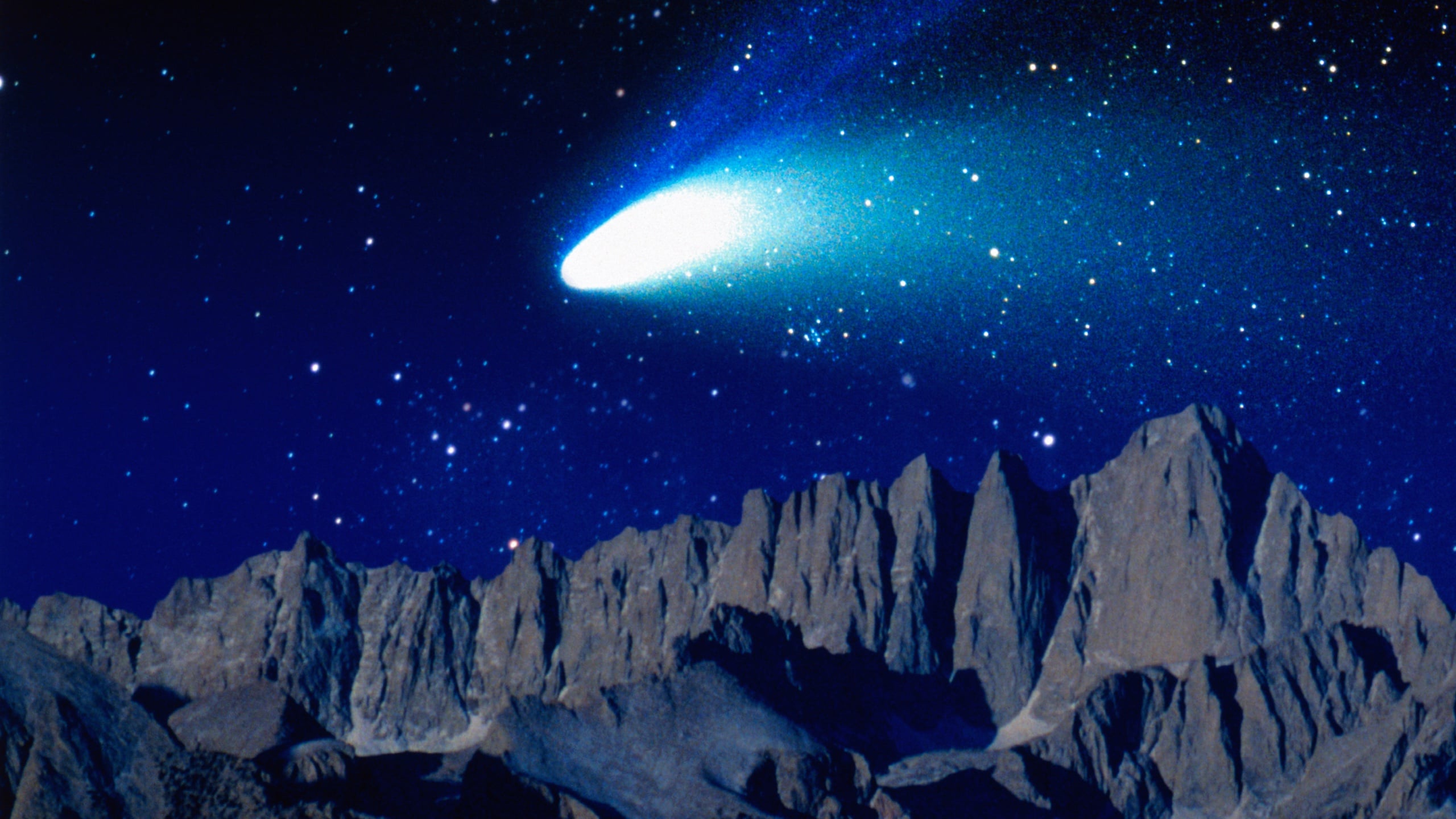
Cambridge researchers said their latest computer models show that the intense heat and pressure of high-speed comet impacts would destroy key organic molecules, rendering the delivery of life's building blocks by comets to early Earth highly improbable. The team had earlier argued that comet-borne prebiotic chemicals such as hydrogen cyanide would be unlikely to survive impact, noting that simulations of 100,000 impacts suggested delivery was extremely rare and that Mars might have offered more favorable conditions. These findings echo earlier computer-simulation studies that questioned the long-standing hypothesis that comets supplied the organic precursors for life on Earth.

Դերակատարներ

University of Cambridge Richard Anslow

Տեղադրություններ

Cambridge, United Kingdom

Հոդվածներ

Նոյեմբեր 2, 2026
2 ընդհանուր
Study claims long-held theory of origin of life on earth could be completely wrong

New York Post • 2 Նոյ 16:02

Researchers at the University of Cambridge argue that high-speed comet impacts would likely destroy prebiotic molecules, making comet delivery of life's building blocks to Earth improbable.

Վստահելիություն 82% Մանիպ. 12% Կենտրոն
Scientists Upend Theory on Origin of Life on Earth

Newser • 2 Նոյ 14:04

Cambridge researchers model comet impacts and find that intense entry conditions likely destroy key organic molecules, making delivery of life's building blocks by comets highly improbable.

Վստահելիություն 78% Մանիպ. 12% Կենտրոն
Հոկտեմբեր 31, 2026
1 ընդհանուր
New study casts doubt on theory about the role comets played in kick-starting life on Earth

KSL News • 31 Հոկ 15:03

New computer models suggest that comet impacts were unlikely to have deposited intact organic molecules on the early Earth, challenging a long-standing hypothesis about the origin of life.

Վստահելիություն 72% Մանիպ. 8% Կենտրոն
Հոկտեմբեր 29, 2026
2 ընդհանուր
Scientists Ran 100,000 Simulations of Comets Striking Earth. The Results Are a Surprise.

ScienceAlert • 29 Հոկ 11:02

Computer models of 100,000 comet impacts indicate that delivering enough hydrogen cyanide to support the origin of life on Earth would have been highly unlikely, while Mars may have been more favorable for such deliveries.

Վստահելիություն 72% Մանիպ. 9% Կենտրոն
We May Have Been Wrong About How Comets Seeded Life on Earth

Yahoo Tech • 29 Հոկ 11:00

Computer models indicate that the chance of comets bringing enough hydrogen cyanide to spark life on Earth was very low, though the scenario may be more plausible for Mars.

Վստահելիություն 68% Մանիպ. 8% Կենտրոն
Հոկտեմբեր 28, 2026
1 ընդհանուր
Did comets bring life to Earth? New Cambridge study weighs in

Mashable • 28 Հոկ 10:00

Computer simulations suggest that comet collisions would have vaporized most hydrogen cyanide, making comets an improbable source of pre-biotic molecules, with asteroids or terrestrial synthesis favored instead.

Վստահելիություն 72% Մանիպ. 9% Կենտրոն