Estudio alemán indica que Mercurio se ha encogido significativamente

Estudio alemán indica que Mercurio se ha encogido significativamente

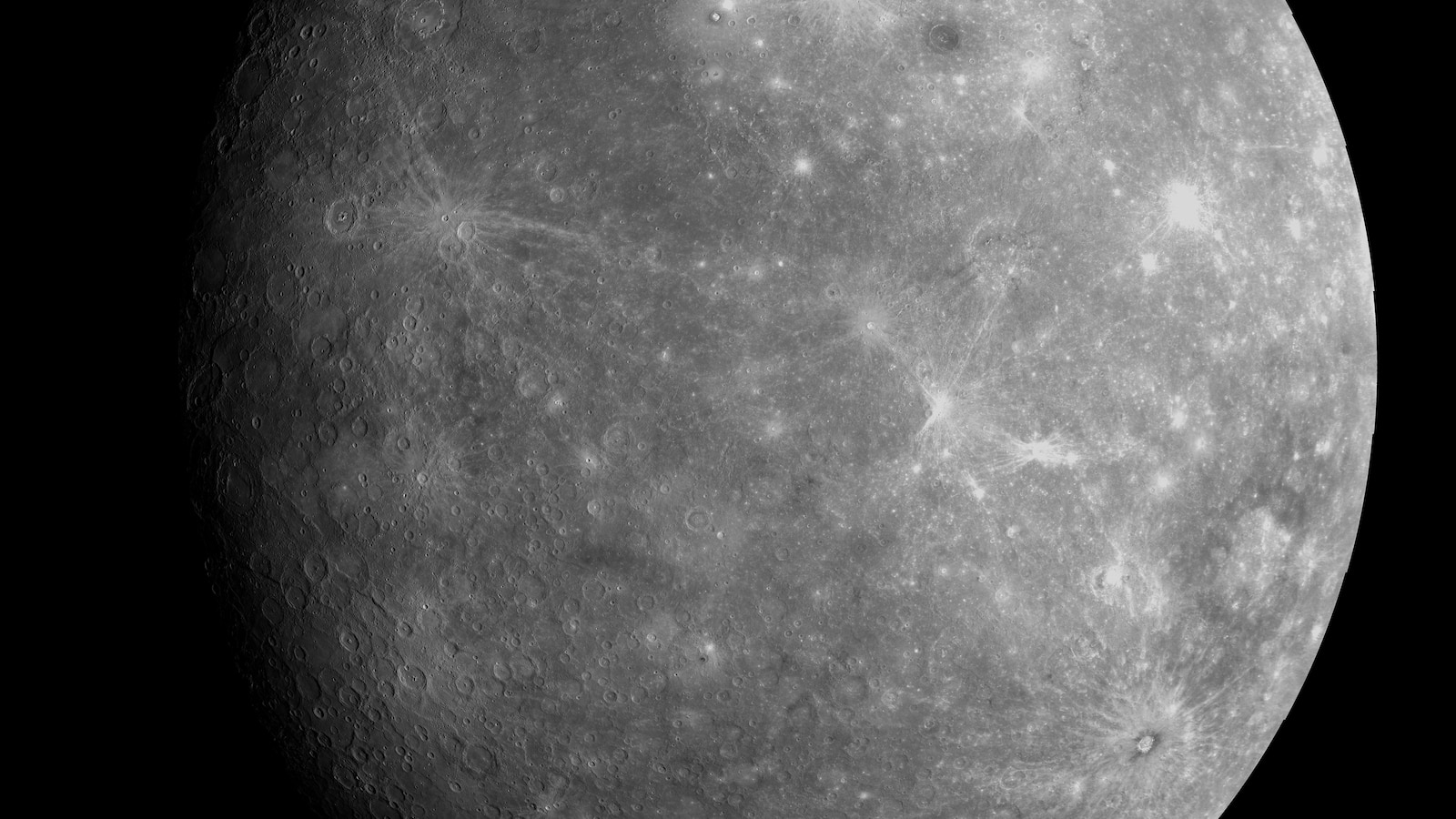
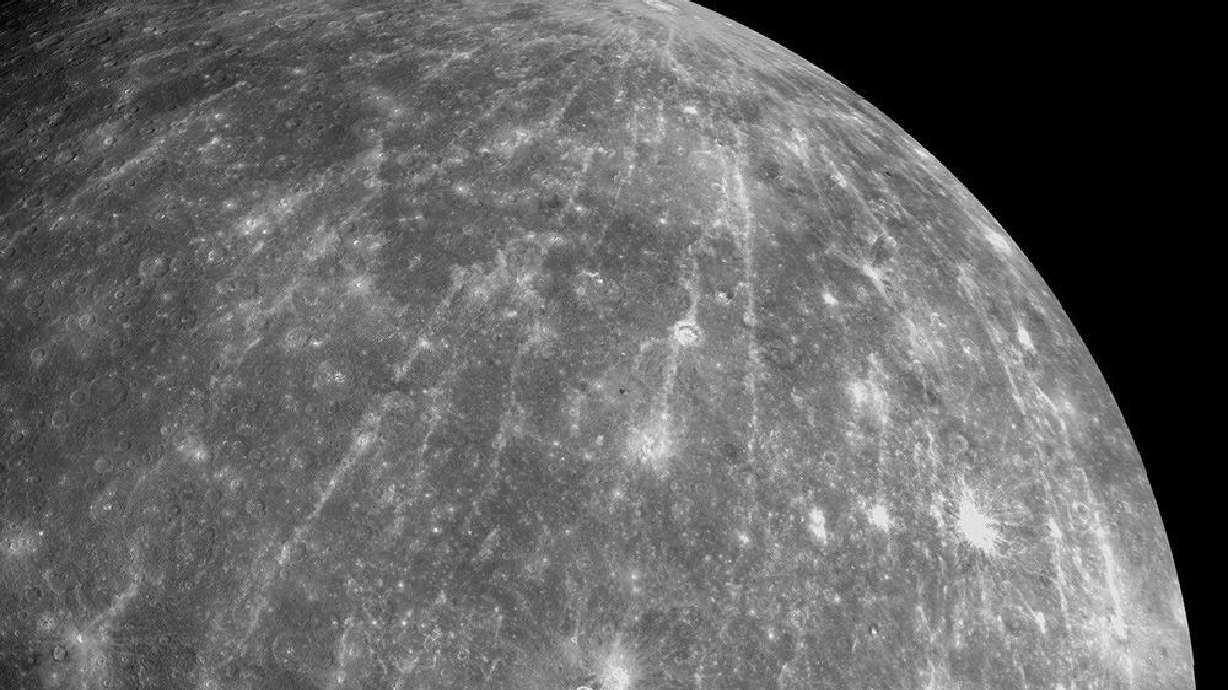
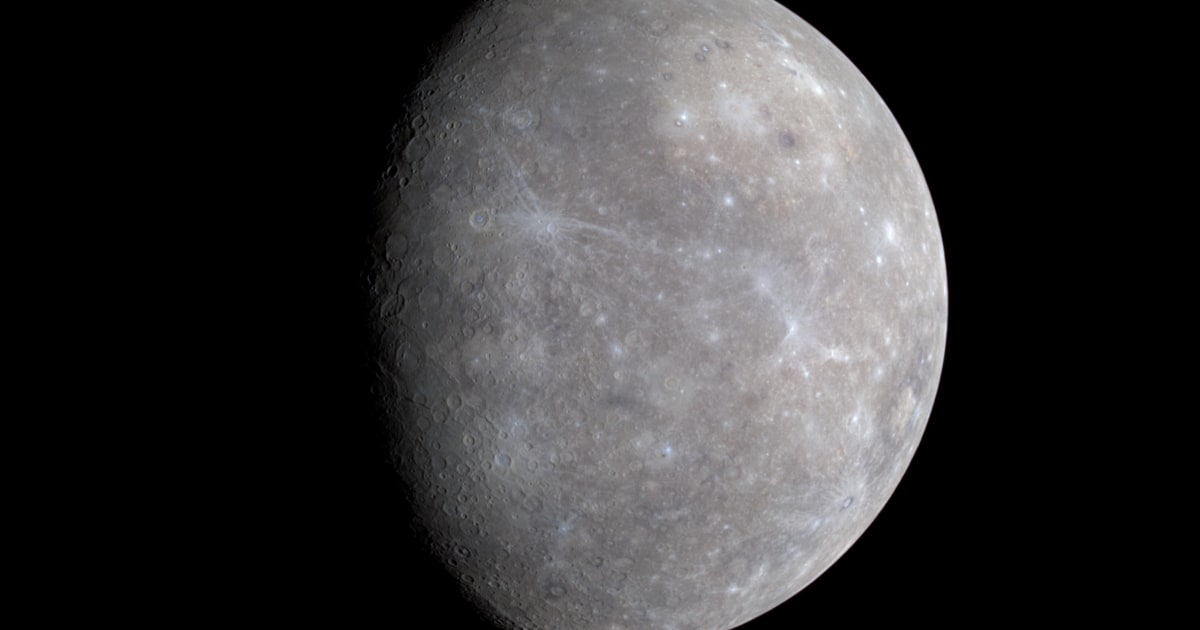
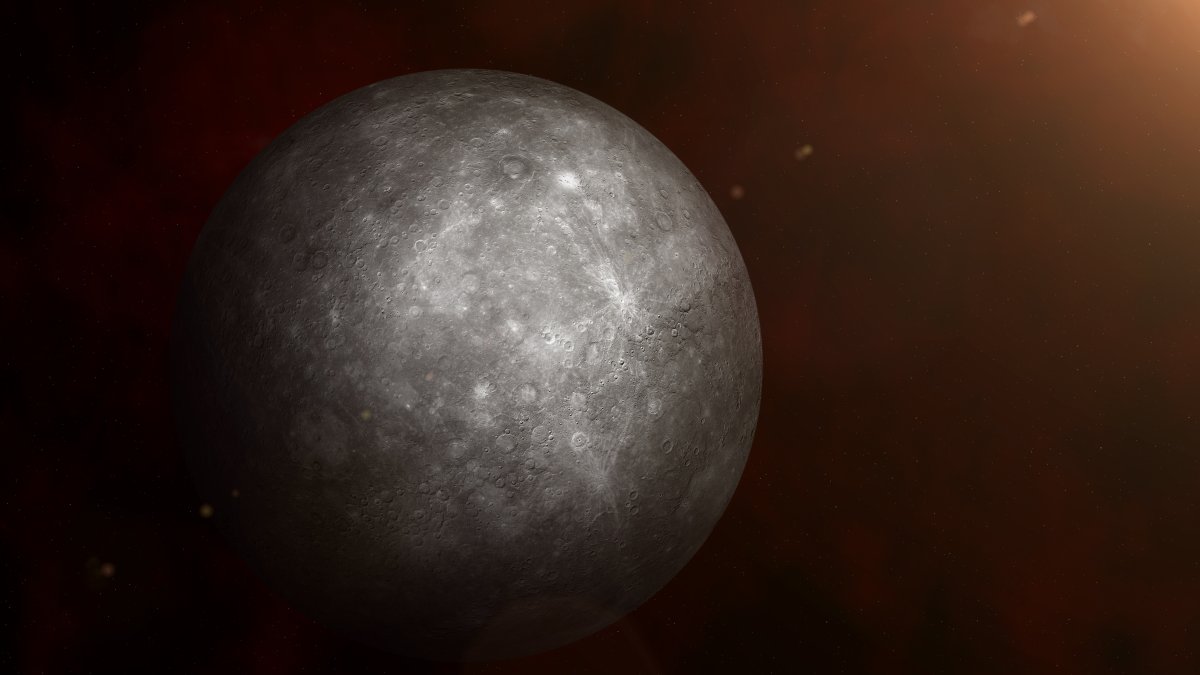
Investigadores del Centro Aeroespacial Alemán afirmaron que Mercurio está perdiendo cerca de 14 millas de su radio, aproximadamente un 30 % más rápido de lo que se creía. Análisis previos de datos de la sonda MESSENGER habían sugerido una reducción del radio de hasta 11,6 km, y estudios posteriores indicaron una contracción del diámetro de hasta 14,5 millas desde su formación; la misión BepiColombo está programada para investigar estos resultados. Estos hallazgos se suman a informes anteriores que señalaban una disminución mayor a la esperada y subrayan que las mediciones de BepiColombo servirán para validar las nuevas estimaciones.

Actores

German Aerospace Center’s Institute of Space Research Gaku Nishiyama BepiColombo mission NASA’s Messenger probe

Ubicaciones

Germany

Artículos

14 de septiembre de 2026
1 en total
The Planet Mercury Appears to Have Shrunken Drastically, "Like a Balloon Left Out in the Cold"

Futurism • 14 de sep 16:28

Researchers from the German Aerospace Center estimate that Mercury could have lost as much as 14.5 miles in diameter, a rate higher than earlier models predicted.

Credibilidad 72% Manip. 9% Centro
12 de septiembre de 2026
1 en total
Solar system's smallest planet shrinking faster than we thought

New York Post • 12 de sep 20:00

New research indicates that Mercury is losing about 14 miles of its radius, roughly 30% more rapidly than earlier calculations suggested.

Credibilidad 72% Manip. 9% Centro
11 de septiembre de 2026
4 en total
Smallest Planet Continues to Shrink

Newser • 11 de sep 19:03

Research by the German Aerospace Center suggests Mercury could be losing up to 14 miles in diameter, a rate 30% higher than earlier estimates, and upcoming BepiColombo measurements aim to verify the finding.

Credibilidad 72% Manip. 9% Centro
Hidden clues show Mercury shrank more than previously thought

USA Today • 11 de sep 16:54

New analysis suggests Mercury's diameter could have decreased by as much as 14.5 miles since its formation, a larger shrinkage than earlier estimates, and upcoming BepiColombo mission will investigate further.

Credibilidad 72% Manip. 8% Centro
Little Mercury may be shrinking faster than scientists expected

ABC News - Breaking News, Latest News and Videos • 11 de sep 10:25

Researchers from the German Aerospace Center say Mercury could have shrunk by up to 14 miles, a figure 30% higher than earlier estimates, and anticipate confirmation from the BepiColombo mission.

Credibilidad 78% Manip. 8% Centro
The closest planet to our sun is shrinking. Here's what that means

ksl.com • 11 de sep 06:17

Analysis of MESSENGER data indicates the innermost planet could have shrunk by as much as 7.2 miles, a larger reduction than earlier estimates, and upcoming BepiColombo observations aim to verify the findings.

Credibilidad 72% Manip. 8% Centro
10 de septiembre de 2026
3 en total
Mercury may be shrinking faster than scientists expected

NBC News • 10 de sep 18:59

Researchers say Mercury's diameter could be decreasing by up to 14 miles, about 30% more than earlier estimates, based on new analysis of surface features.

Credibilidad 72% Manip. 8% Centro
Little Mercury may be shrinking faster than scientists expected

NBC Connecticut • 10 de sep 17:29

Researchers from the German Aerospace Center say Mercury could have lost as much as 14 miles in diameter, a rate about 30% higher than earlier estimates, and the BepiColombo mission will test the findings.

Credibilidad 78% Manip. 8% Centro
The closest planet to our sun is shrinking. Here’s what that means

Yahoo Tech • 10 de sep 13:00

New analysis of MESSENGER data indicates that Mercury's radius could have decreased by as much as 11.6 km, a larger contraction than earlier estimates, and upcoming BepiColombo measurements aim to verify the finding.

Credibilidad 71% Manip. 9% Centro