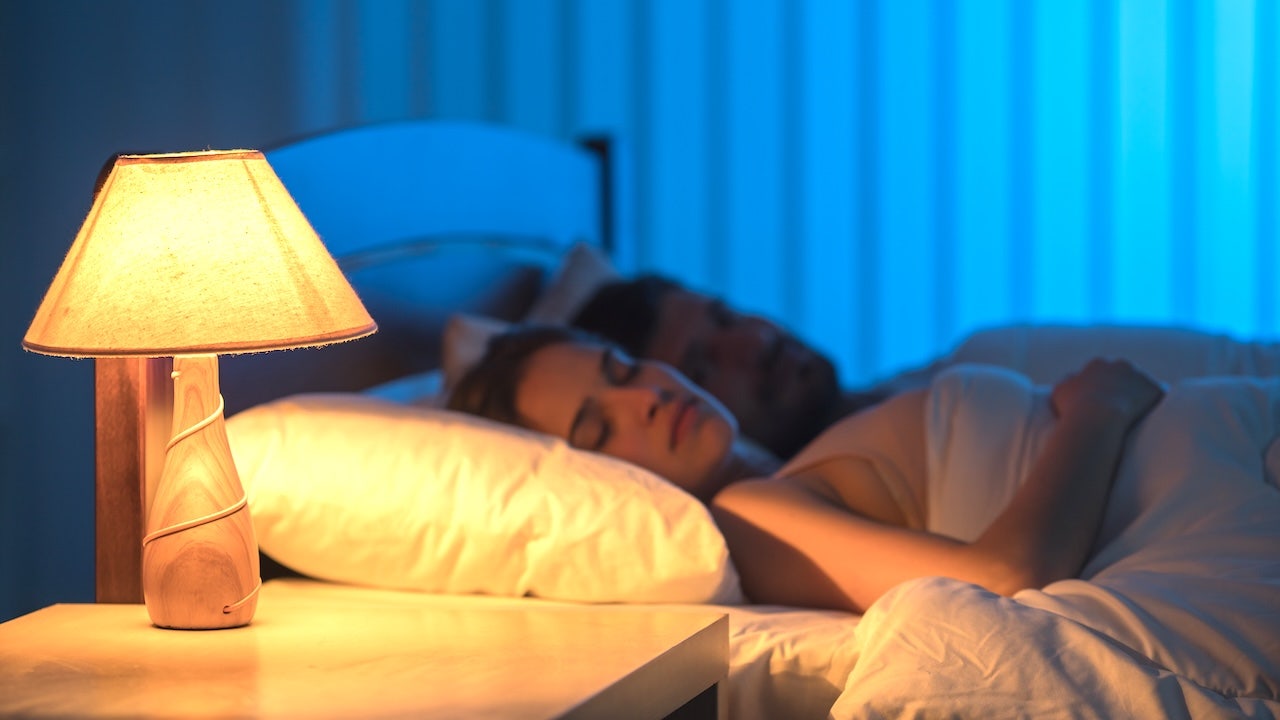
Nighttime Light While Sleeping Linked to Higher Cardiovascular Risk


Researchers at Tulane University in New Orleans reported that exposure to low-level light while sleeping was associated with higher incidence of heart failure, atrial fibrillation, heart attack, stroke and cardiovascular mortality. Earlier research involving more than 11,000 participants had shown that sleeping in environments brighter than 3 lux led to thickening of the left-ventricular wall and reduced cardiac function, suggesting that nighttime light is a potentially modifiable risk factor for cardiovascular disease.
Actors
Dr. Lu Qi
Tulane University
UK Biobank
Karl Lawrence
King’s College London
Locations
United Kingdom
Tulane University, New Orleans, Louisiana, United States
King's College London, London, United Kingdom