Eclipse solar parcial observado en 26 estados de EE. UU. el 12 de agosto

Eclipse solar parcial observado en 26 estados de EE. UU. el 12 de agosto

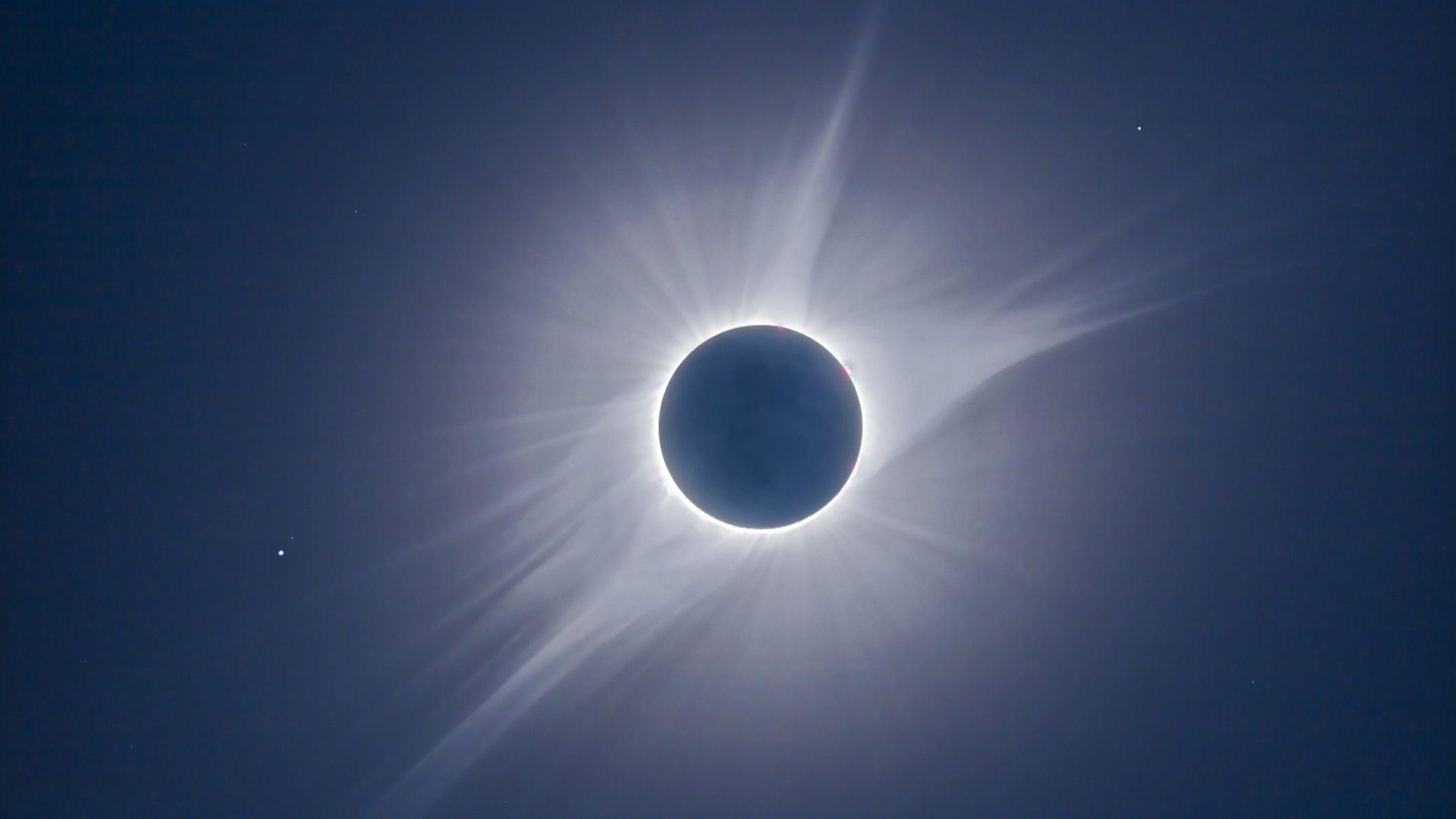
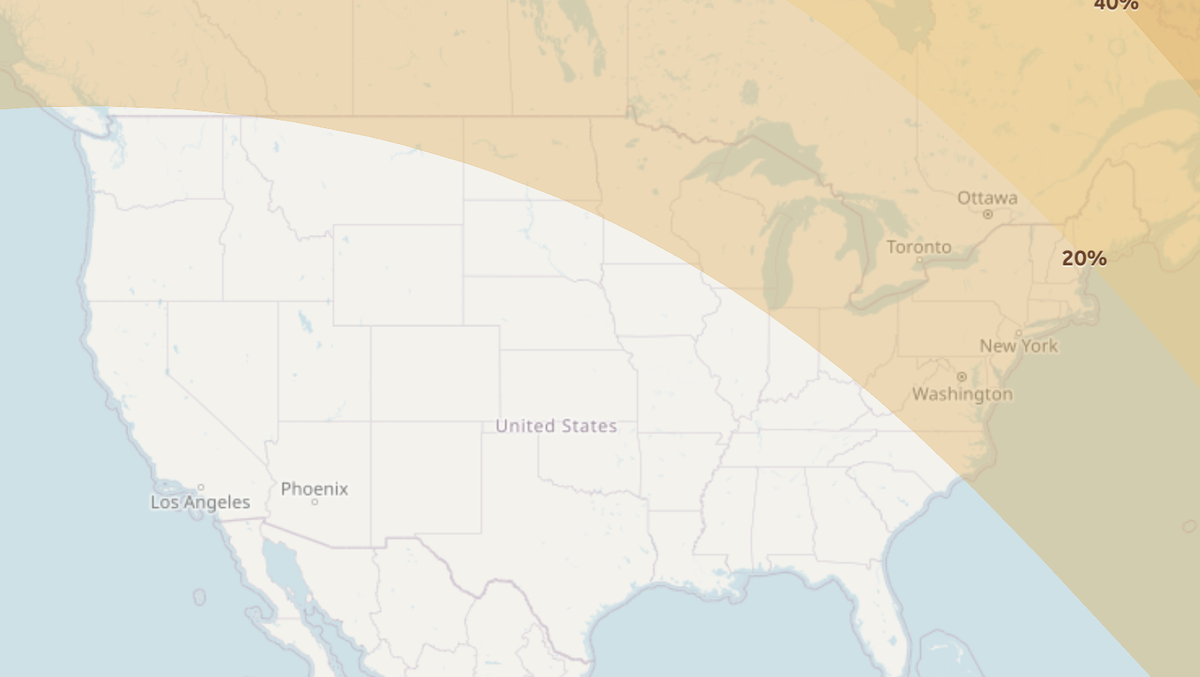
USA Today informó que el 12 de agosto de 2026 se observó un eclipse solar parcial en 26 estados de EE.  UU. y Washington, D. C. , con una cobertura de hasta aproximadamente el 20 % del Sol en Alaska y entre el 10 % y el 20 % en gran parte de Nueva Inglaterra y Nueva York.

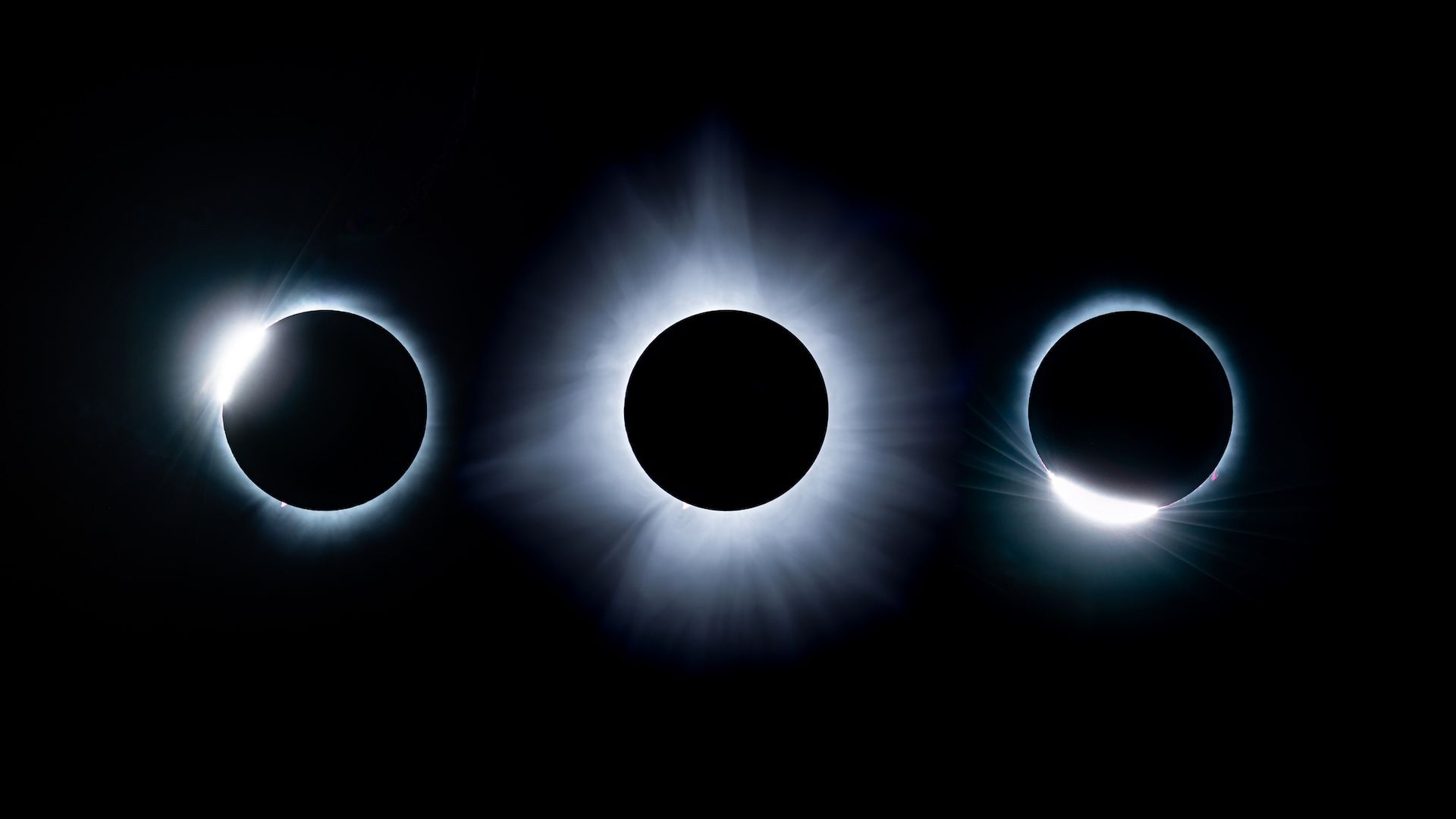
Anteriormente, AP News señaló que los datos de la NASA mostraban una cobertura parcial que variaba entre el 3 % y el 53 % en el norte de Estados Unidos y Canadá. CBS News indicó que el único eclipse total de 2026 sería visible en partes de Groenlandia, Islandia y el norte de España, mientras que Live Science describió la estrecha franja de totalidad que se extiende desde Groenlandia hasta el noreste de España. Space explicó que el eclipse ocurrió durante la fase decreciente del Ciclo Solar 25, lo que produce una corona solar más activa que en eclipses recientes pero menos compleja que la del evento máximo de 2024. CNN transmitió el consejo de expertos de usar gafas de eclipse certificadas ISO o filtros solares y evitar mirar el Sol con gafas de sol ordinarias o dispositivos ópticos sin filtrar.
Actores

NASA Institute of Astrophysics of the Canary Islands American Astronomical Society

Ubicaciones

Greenland Iceland Northern Russia Spain Portugal Europe Northwestern Africa Northern United States Canada Canary Islands

Artículos

11 de agosto de 2026
4 en total
Where the partial solar eclipse will be visible in the US

KOAT • 11 de ago 21:57

A partial solar eclipse will be observable in several U.S. regions on Wednesday afternoon, while the path of totality passes over Iceland and Spain.

Credibilidad 68% Manip. 8% Centro
Map shows which states can see partial solar eclipse

USA Today • 11 de ago 21:32

A partial solar eclipse will be observable on Aug. 12 across parts of the northern United States, with coverage ranging up to 20% in Alaska and 10-20% in many New England and New York locations.

Credibilidad 72% Manip. 7% Centro
Here’s when you can see a partial solar eclipse Wednesday in the U.S.

AP News • 11 de ago 19:49

A partial solar eclipse will be observable on Wednesday across several northern U.S. and Canadian locations, with coverage ranging from 3% to 53% according to NASA data.

Credibilidad 78% Manip. 7% Centro
2026's only total solar eclipse happens tomorrow. Here's the path and times of visibility.

CBS News • 11 de ago 18:46

The sole total solar eclipse of 2026 will be visible from parts of Greenland, Iceland and northern Spain on Aug. 12, while a partial eclipse will be seen across much of Europe and parts of North America.

Credibilidad 73% Manip. 9% Centro
9 de agosto de 2026
1 en total
The total solar eclipse on Aug. 12 will reveal something nobody has ever seen before

Space • 9 de ago 12:00

The August 12, 2026 total solar eclipse will occur during the declining phase of Solar Cycle 25, offering observers a corona that is more active than recent eclipses but less complex than the 2024 maximum-phase event.

Credibilidad 78% Manip. 10% Centro
8 de agosto de 2026
1 en total
Where and when to see the Aug. 12 solar eclipse - exact times for North America and Europe

Live Science • 8 de ago 11:00

On Aug. 12, a solar eclipse will be visible across Europe, North America and North Africa, with totality occurring only within a narrow corridor from Greenland to northeastern Spain.

Credibilidad 78% Manip. 8% Centro
1 de agosto de 2026
1 en total
How to view the total solar eclipse safely

CNN • 1 de ago 10:30

Experts advise using ISO-certified eclipse glasses or solar filters and warn against looking at the Sun with ordinary sunglasses or unfiltered optical devices.

Credibilidad 78% Manip. 7% Centro