Rare carbonaceous chondrite in New Jersey yields extraterrestrial amino acids

Rare carbonaceous chondrite in New Jersey yields extraterrestrial amino acids

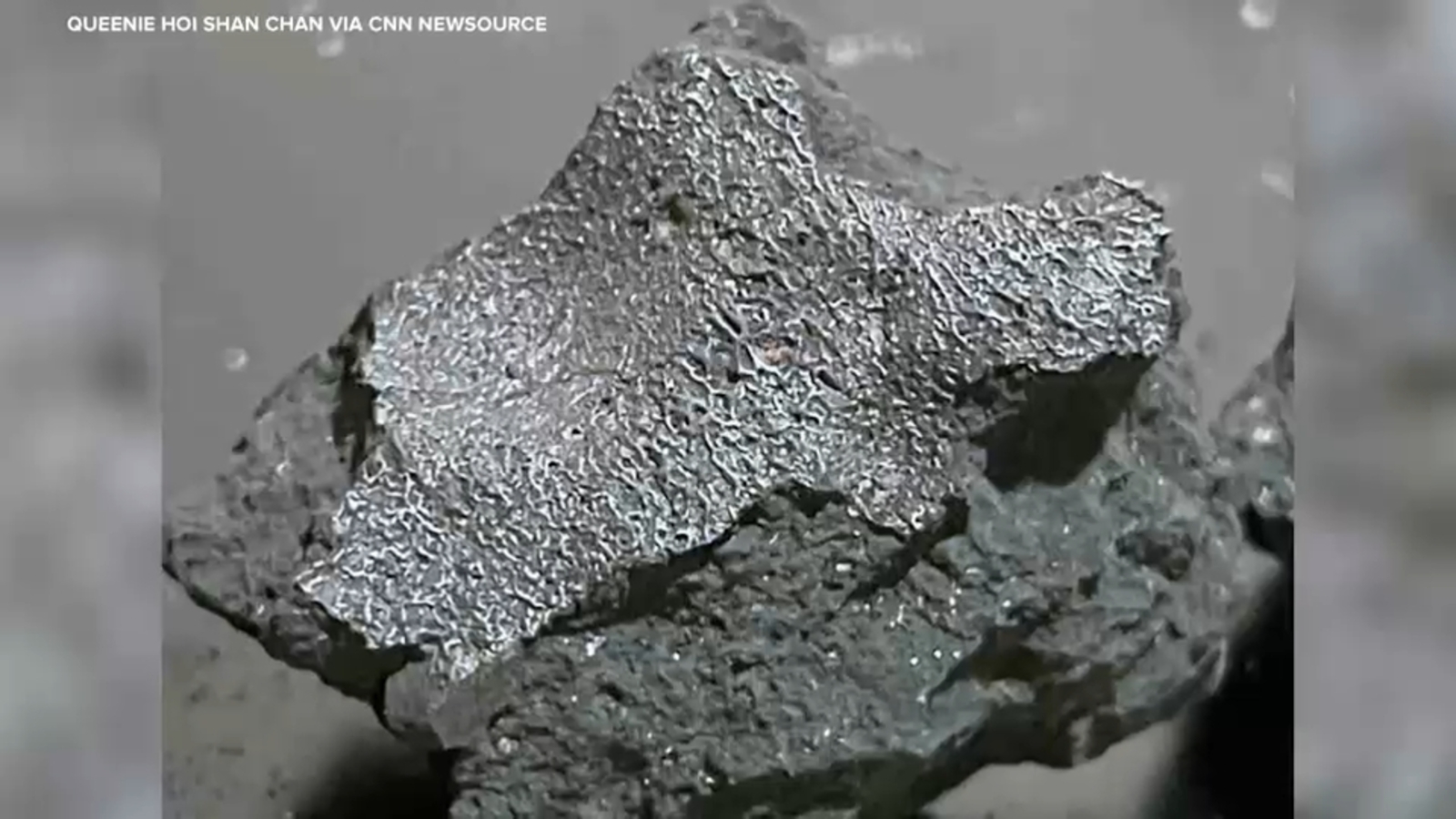
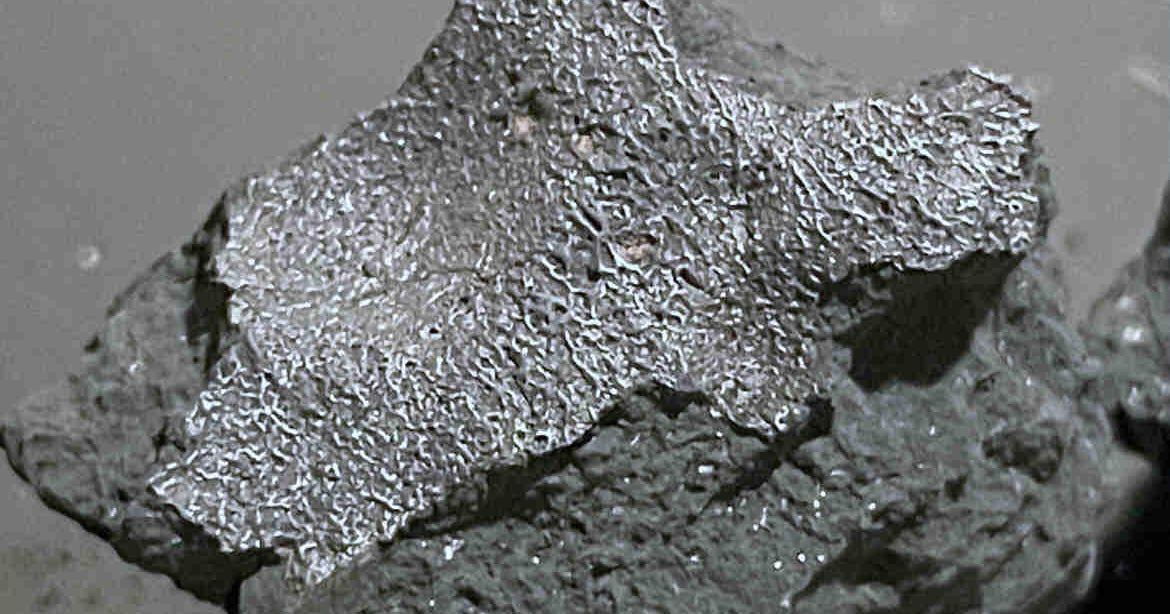
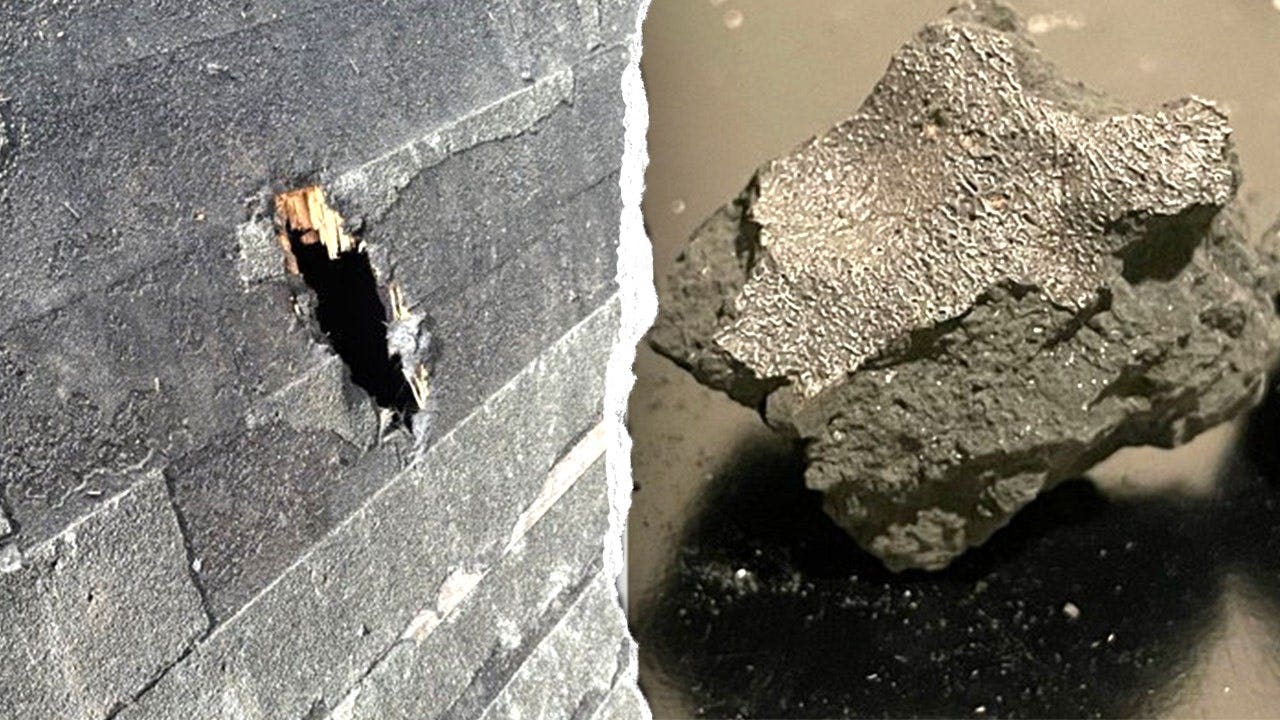
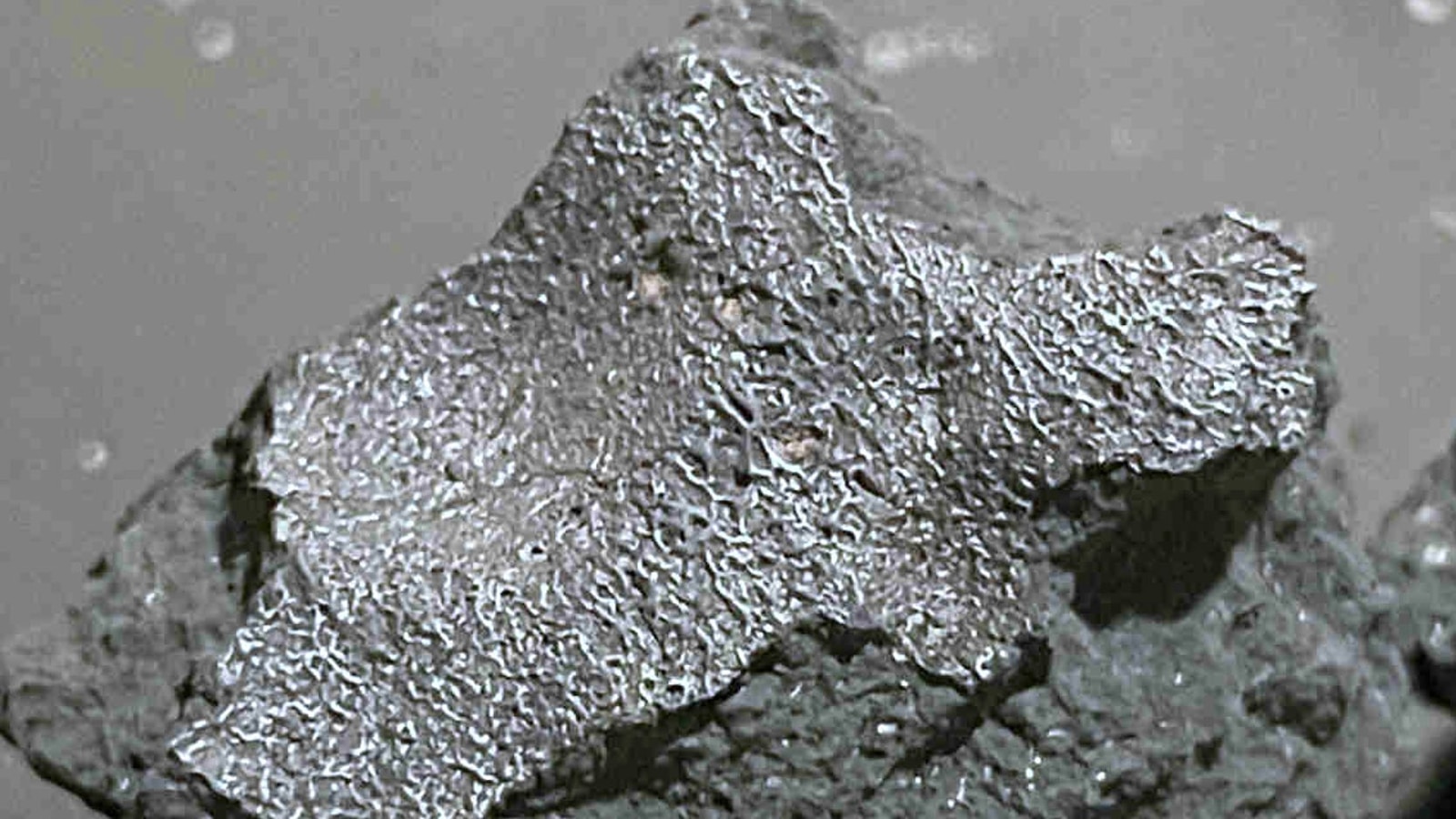
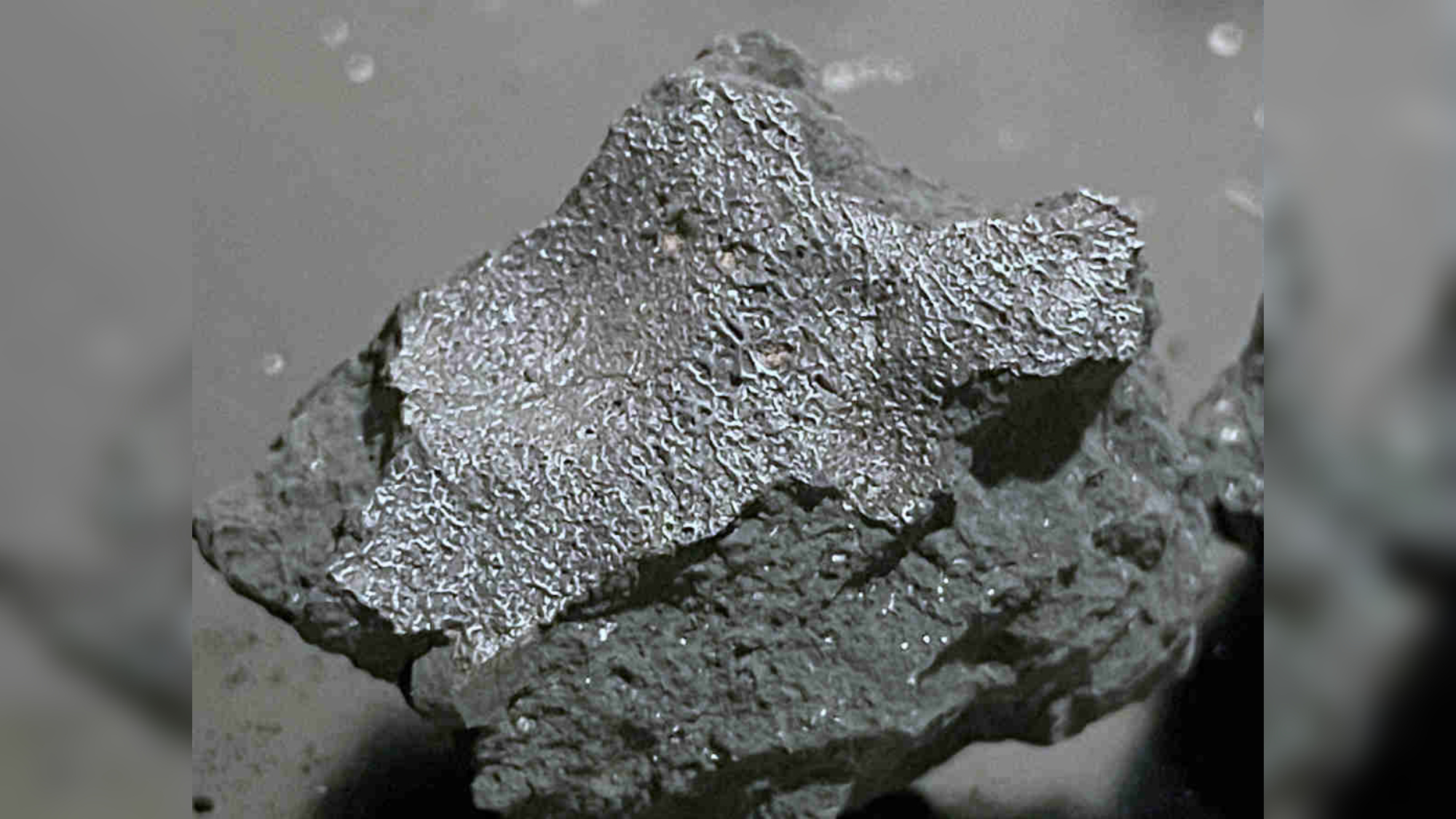
Scientists from the SETI Institute, NASA’s Ames and Johnson Space Centers, the American Meteor Society and the American Museum of Natural History analyzed a carbonaceous chondrite that smashed through a Hillsborough, New Jersey home. According to Space, the meteorite showed signs of water alteration, indicating it originated from a salty, near-surface region of an inner-belt asteroid. CNN added that the kilogram-size CM-type fragment was recovered with minimal contamination, allowing detection of extraterrestrial amino acids and brine.

CBS News noted the presence of salty brine residues and organic molecules, suggesting such asteroids could have delivered life-building chemicals to early Earth. Further laboratory work described by 6abc Philadelphia identified a diverse suite of amino acids not found on Earth. ABC News confirmed the meteorite is classified as a rare CM1/2 chondrite containing prebiotic compounds, and Fox News echoed that the findings offer new insight into the solar system’s organic inventory.
Acteurs

Peter Jenniskens SETI Institute NASA Ames Research Center NASA Johnson Space Center American Meteor Society American Museum of Natural History

Lieux

Aucun enregistrement

Articles

20 juillet 2026
1 au total
Meteorite that crashed into NJ home holds building blocks of life, scientists say

Fox News • 20 juil. 14h04

A meteorite that fell on a New Jersey home in July 2024 was identified as a rare carbonaceous chondrite and found to contain amino acids and other organic molecules, offering new insights into early solar-system chemistry.

Crédibilité 78% Manip. 8% Centre
17 juillet 2026
1 au total
Meteorite that crashed into New Jersey home contains building blocks of life, astronomers say

ABC News - Breaking News, Latest News and Videos • 17 juil. 20h32

A meteorite that struck a Hillsborough, New Jersey house on July 16 is identified as a rare CM1/2 carbonaceous chondrite containing amino acids and other prebiotic compounds, offering clues about the early solar system’s organic inventory.
Crédibilité 77% Manip. 9% Centre
16 juillet 2026
2 au total
New Jersey home meteorite fragments contain 'extraterrestrial' amino acids

6abc Philadelphia • 16 juil. 20h52

Scientists analyzing a kilogram-size meteorite that struck a New Jersey home discovered a diverse suite of amino acids not found on Earth, offering new insight into early solar-system chemistry.

Crédibilité 72% Manip. 8% Centre
Meteorite that crashed into New Jersey home contains "alien world chemistry," scientists say

CBS News • 16 juil. 14h26

Scientists analyzing fragments of a July 2024 meteorite that hit a New Jersey home identified salty brine residues and organic molecules, suggesting such asteroids could have delivered life-building chemicals to early Earth.

Crédibilité 78% Manip. 7% Centre
15 juillet 2026
2 au total
Rare meteorite provides snapshot of early solar system

CNN • 15 juil. 22h25

A kilogram-size CM-type carbonaceous chondrite that fell in Hillsborough, New Jersey in July 2024 was recovered with minimal contamination, allowing scientists to detect extraterrestrial amino acids and brine, offering new insight into early solar system chemistry.

Crédibilité 78% Manip. 8% Centre
Meteorite that crashed through New Jersey house could hold the clues to life's origins

Space • 15 juil. 18h05

Scientists say a carbonaceous chondrite that fell through a Hillsborough, N.J., home shows evidence of water alteration and organic compounds, suggesting it originated from a salty, near-surface region of an inner-belt asteroid.

Crédibilité 73% Manip. 9% Centre