MV Hondius Cruise Ship Hantavirus Outbreak Results in Deaths and Disinfection


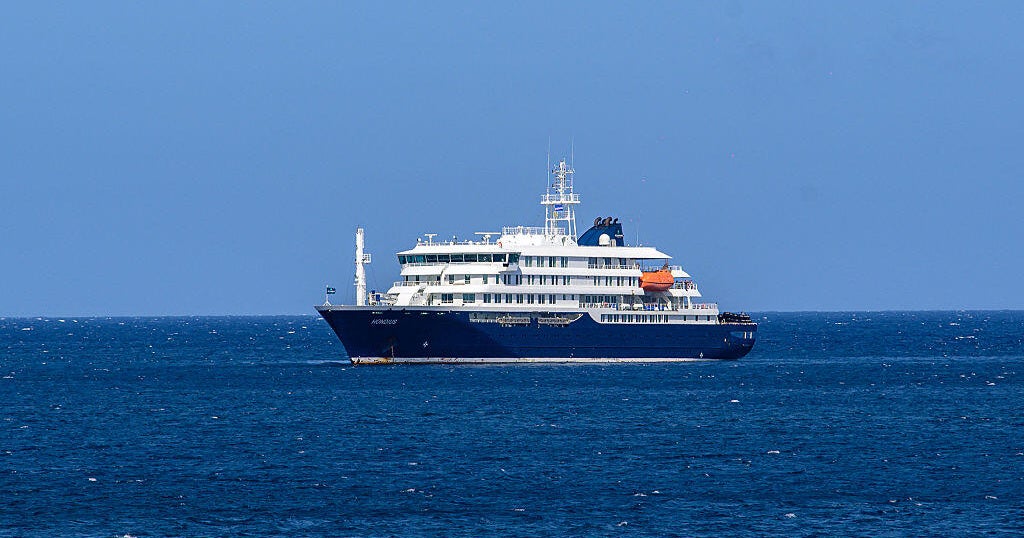
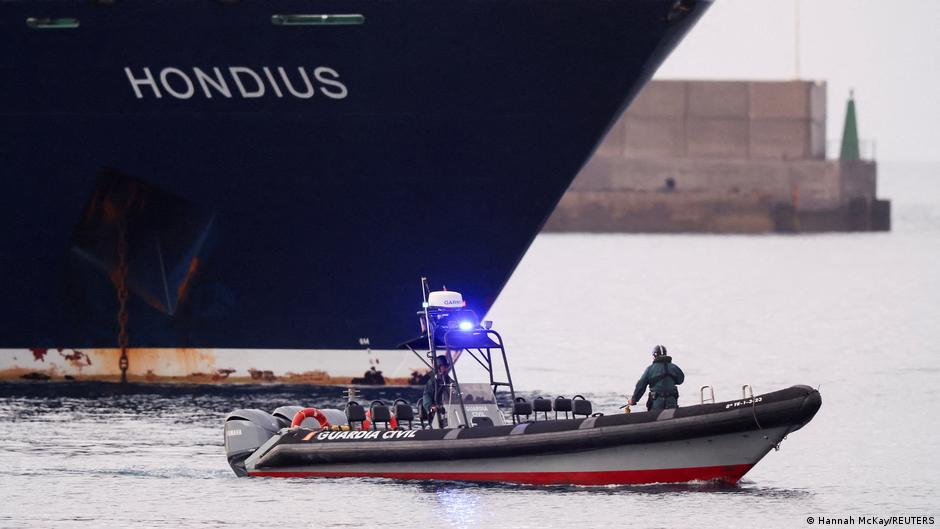
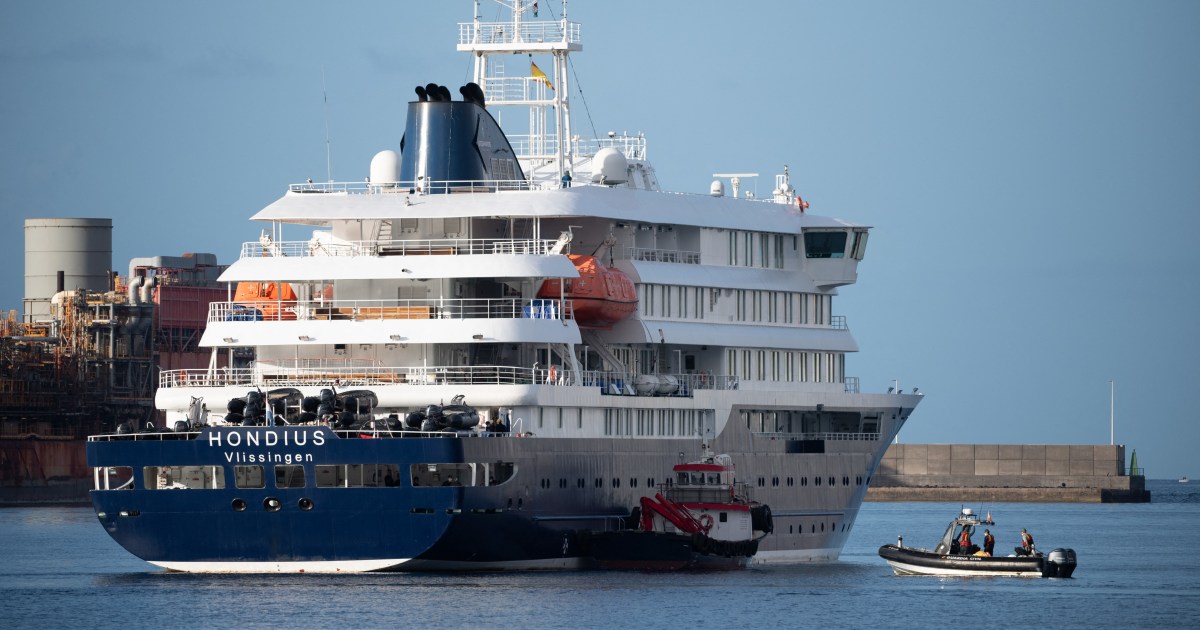
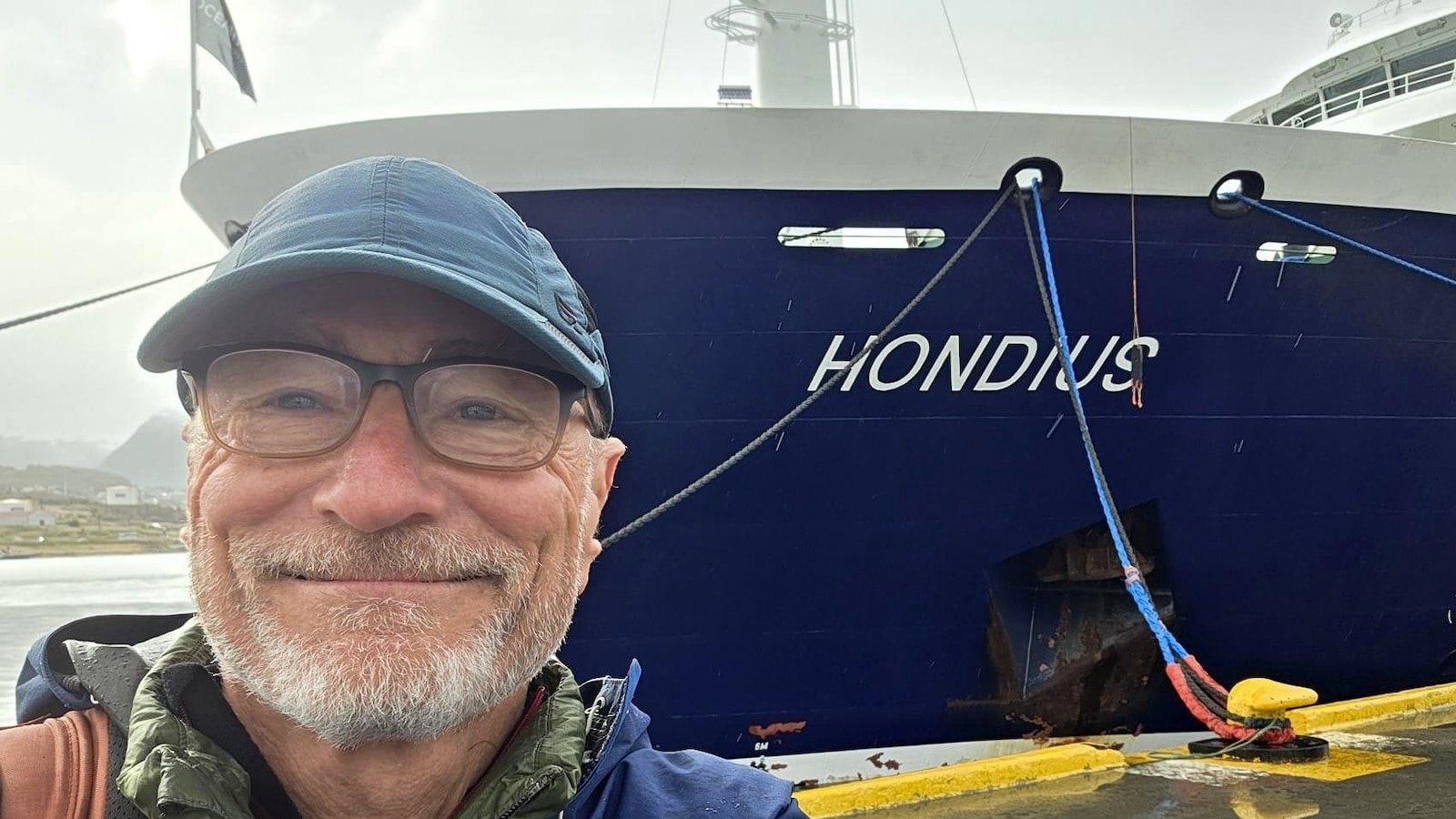
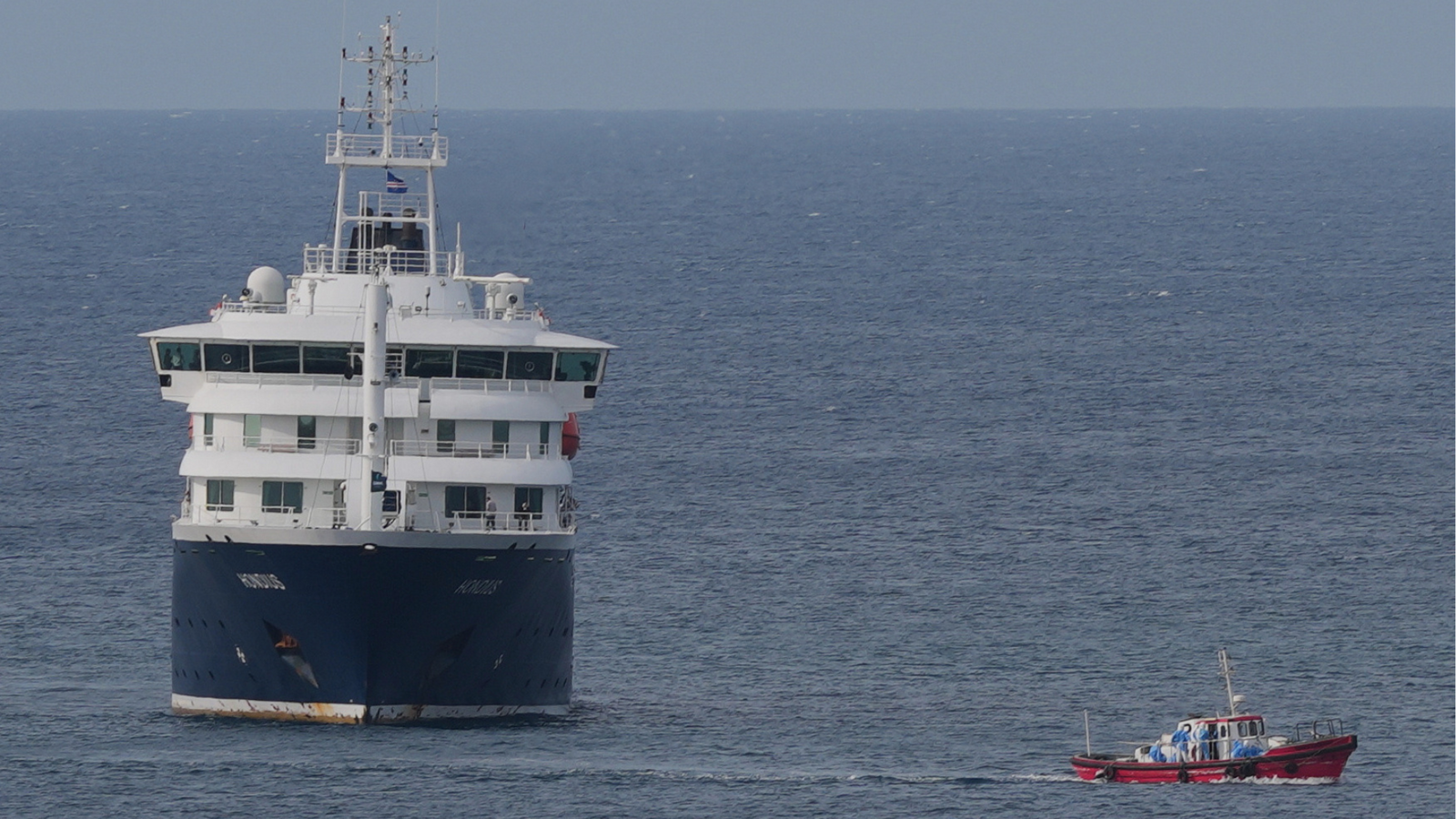
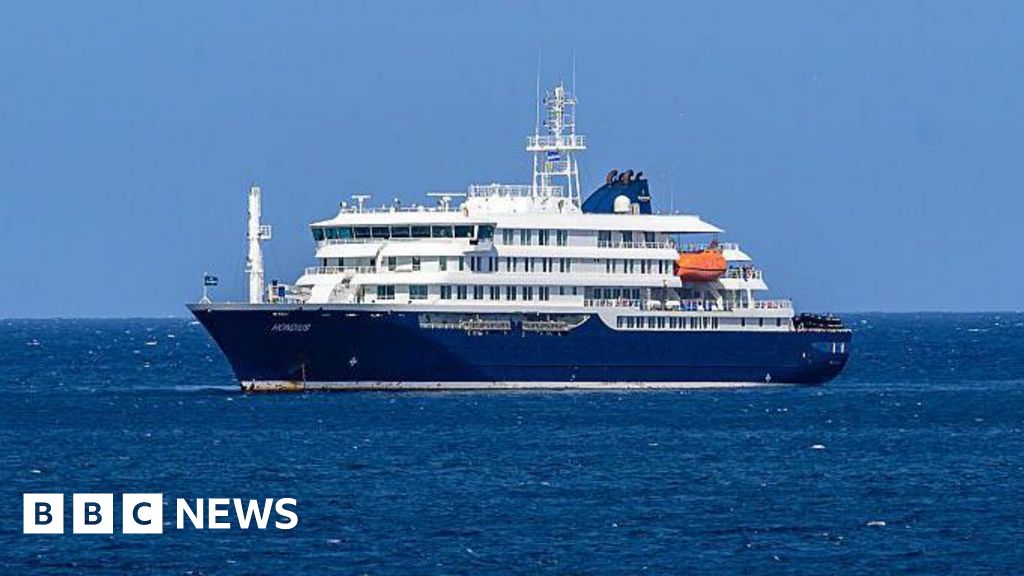
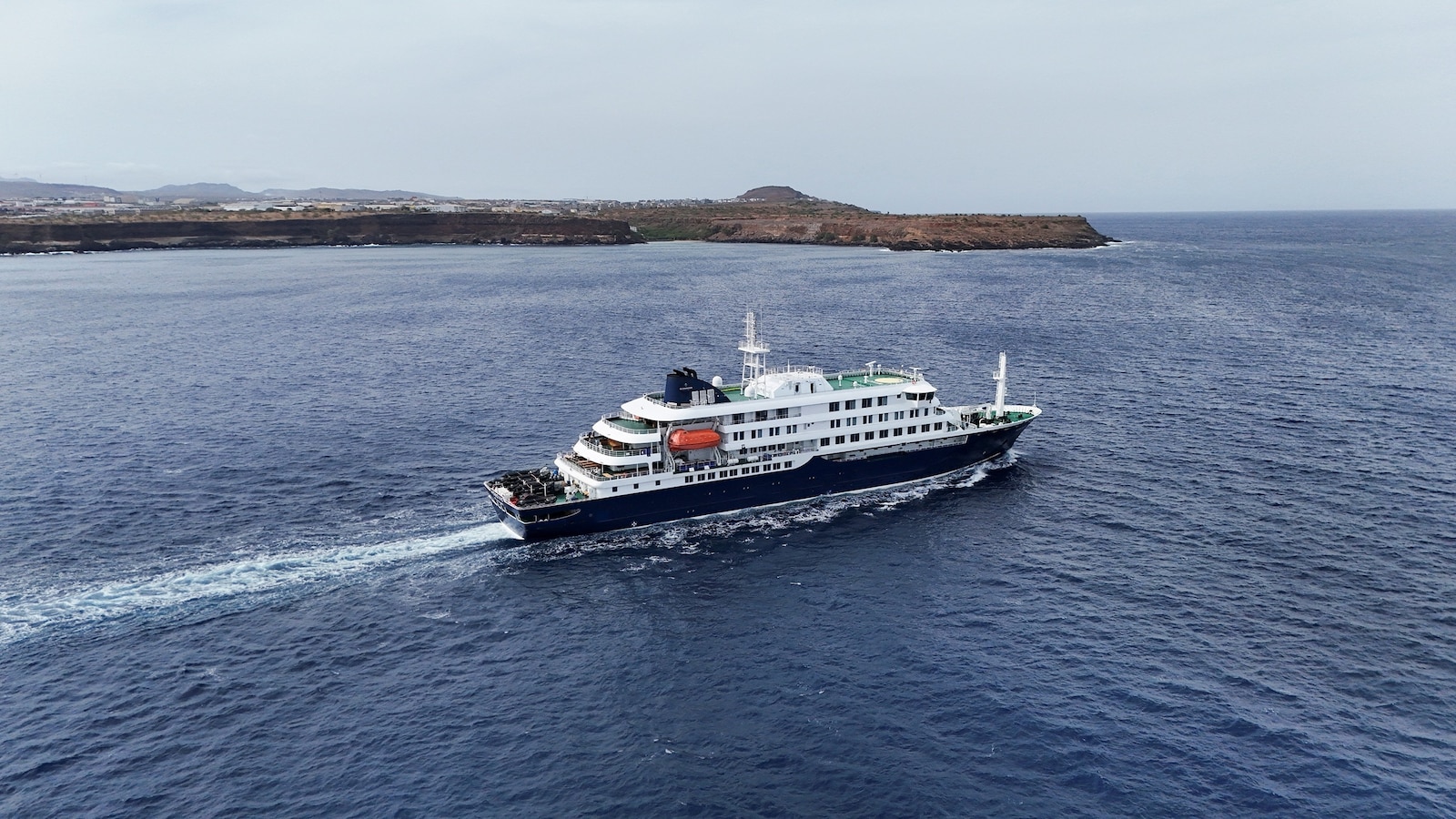
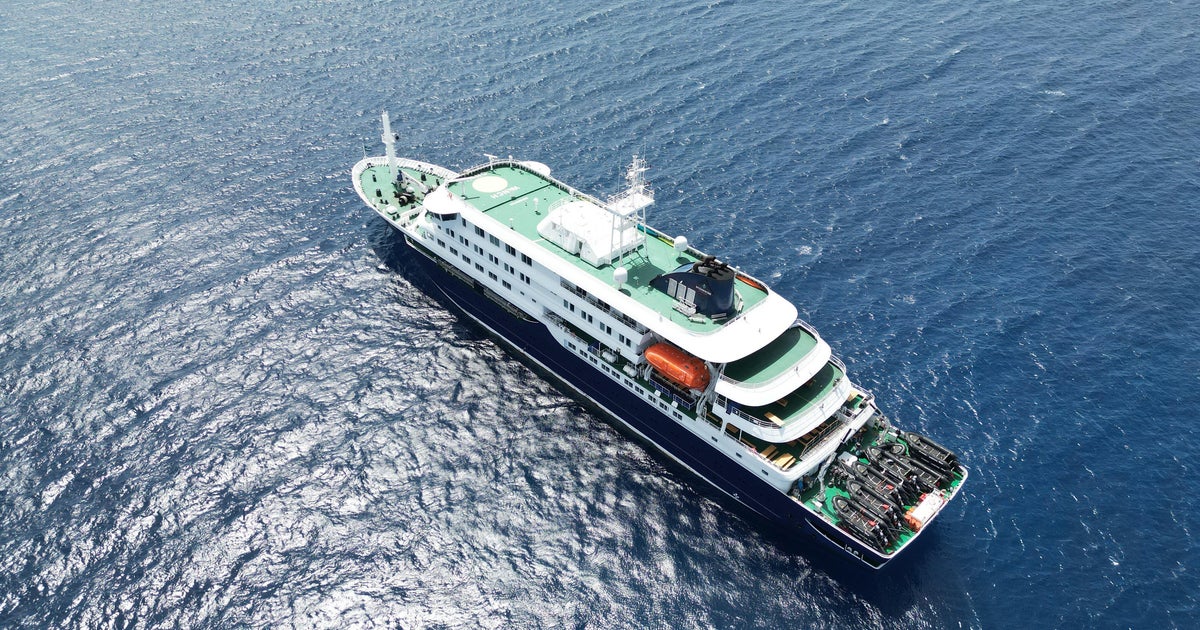
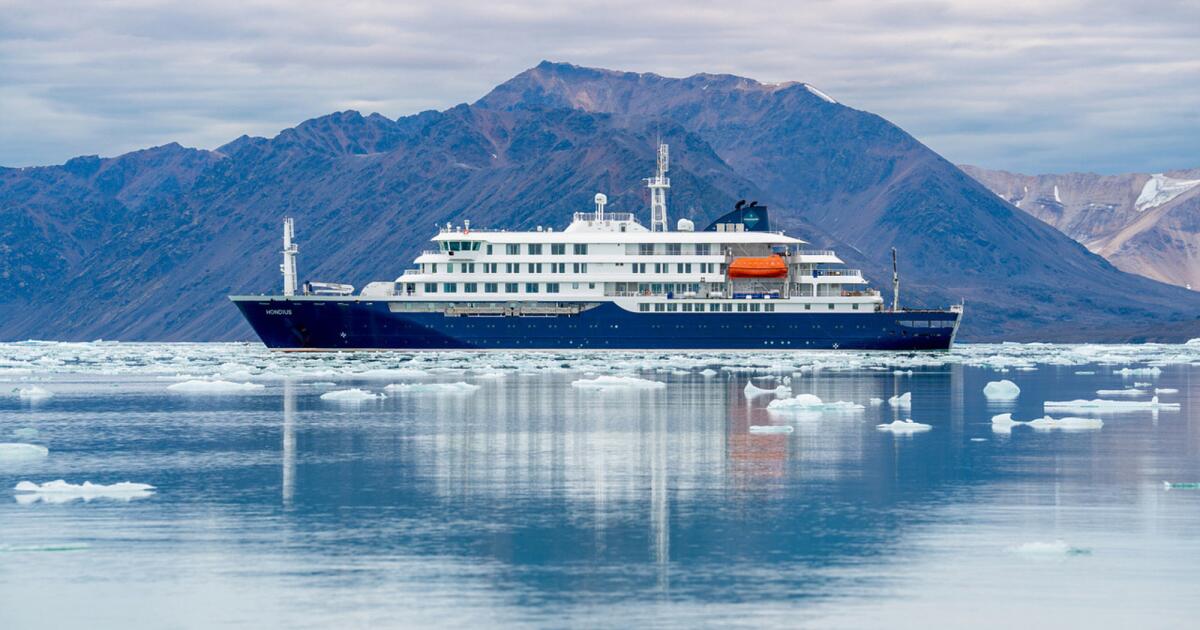
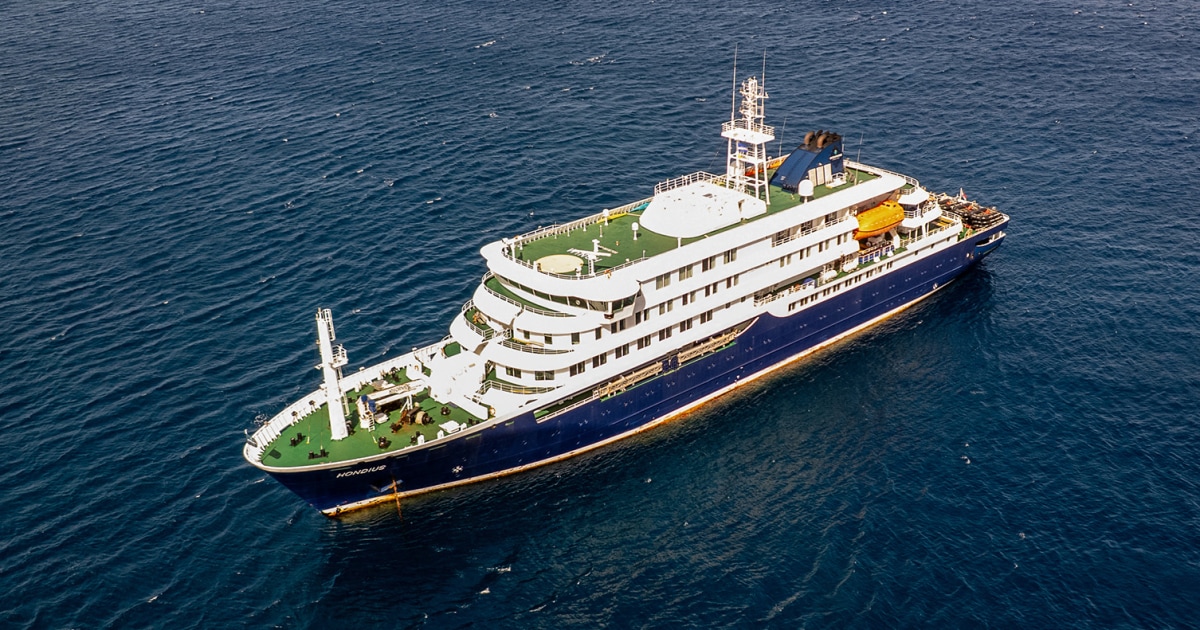
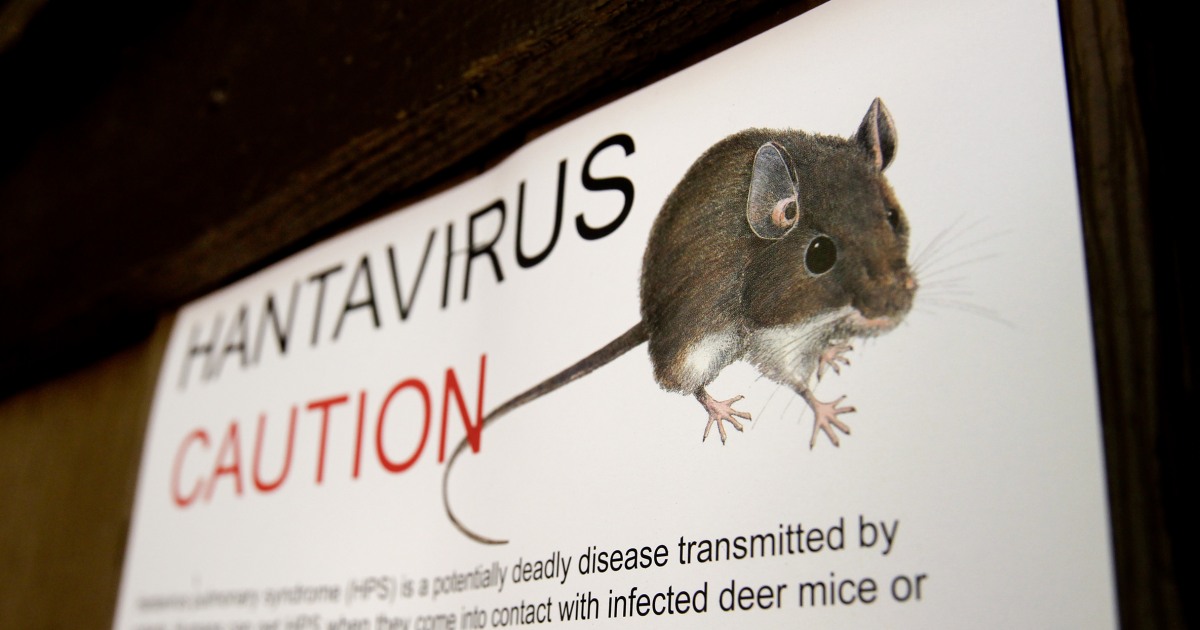
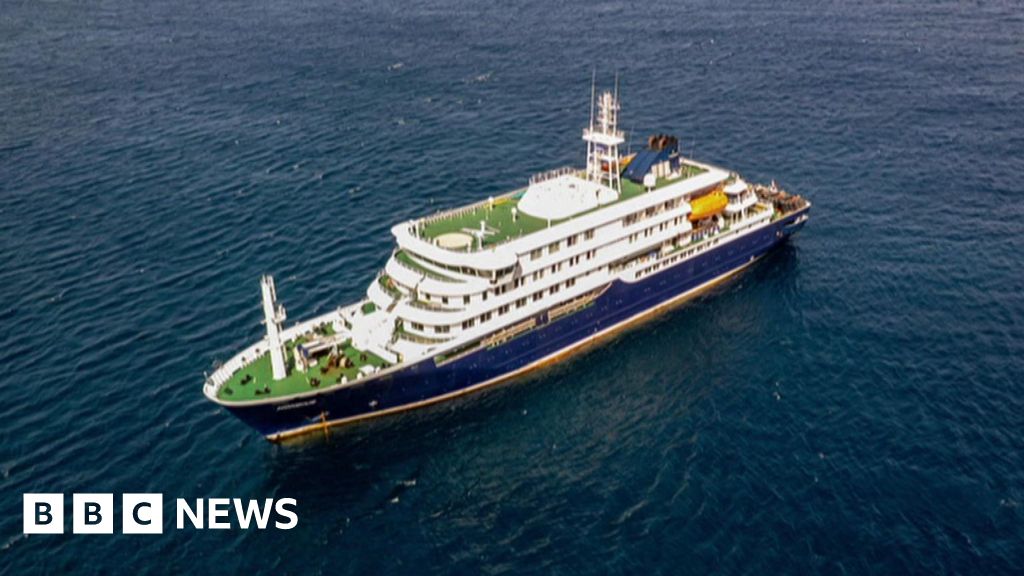
The MV Hondius cruise ship experienced a hantavirus outbreak while at sea, resulting in three deaths and several illnesses among passengers and crew. Initial reports indicated the outbreak occurred in the Atlantic Ocean, prompting international health investigations and interventions coordinated by the World Health Organization. The ship was denied docking at Cape Verde due to the outbreak and remained anchored off the coast while health authorities monitored the situation. Concerns arose about possible human-to-human transmission of the Andes strain of hantavirus, leading to evacuations of affected passengers to Europe and quarantine measures. Passengers disembarked in Tenerife, Canary Islands, where international efforts coordinated repatriation and medical monitoring. Several countries implemented quarantine and monitoring for citizens returning from the ship, including the United States, which repatriated some citizens and issued health alerts to physicians.
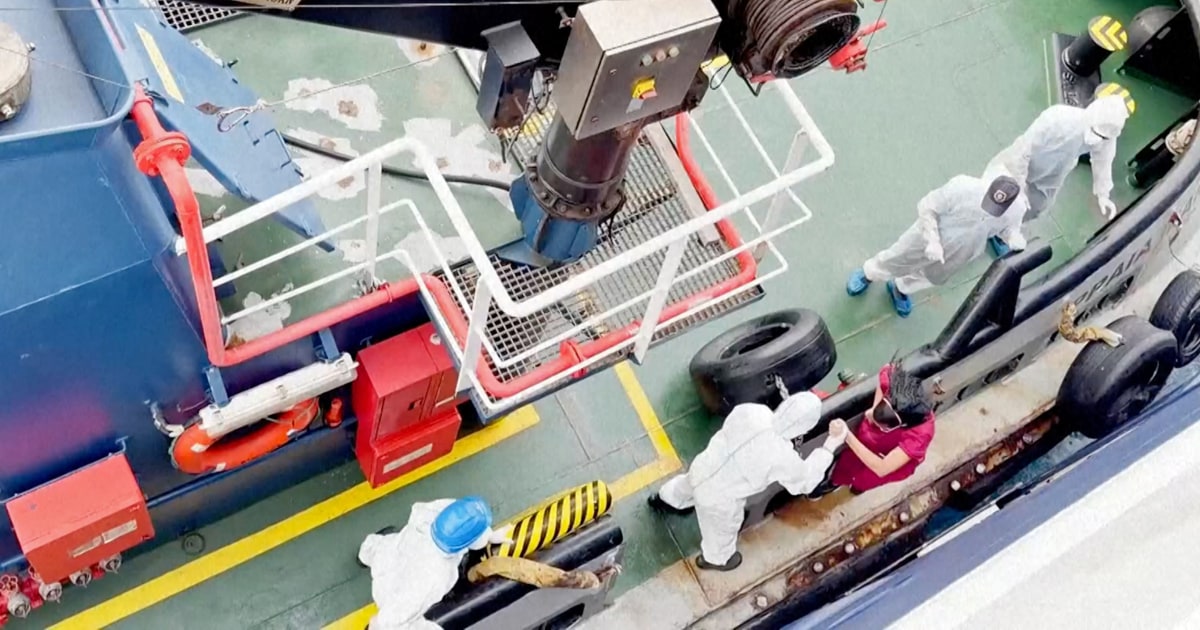
The MV Hondius eventually docked in Rotterdam for disinfection after the outbreak, concluding the international response to the health crisis aboard the vessel. Throughout the event, health authorities tracked potential exposures in multiple locations, including passengers who disembarked at St. Helena and flight attendants potentially exposed during travel. Genomic analysis confirmed the virus strain matched known South American hantavirus strains without new mutations. The coordinated international response involved evacuations, medical care, and monitoring to contain the outbreak and prevent further spread among passengers, crew, and contacts on land.