Middle East Conflict Disrupts Global Travel and Pilgrimages


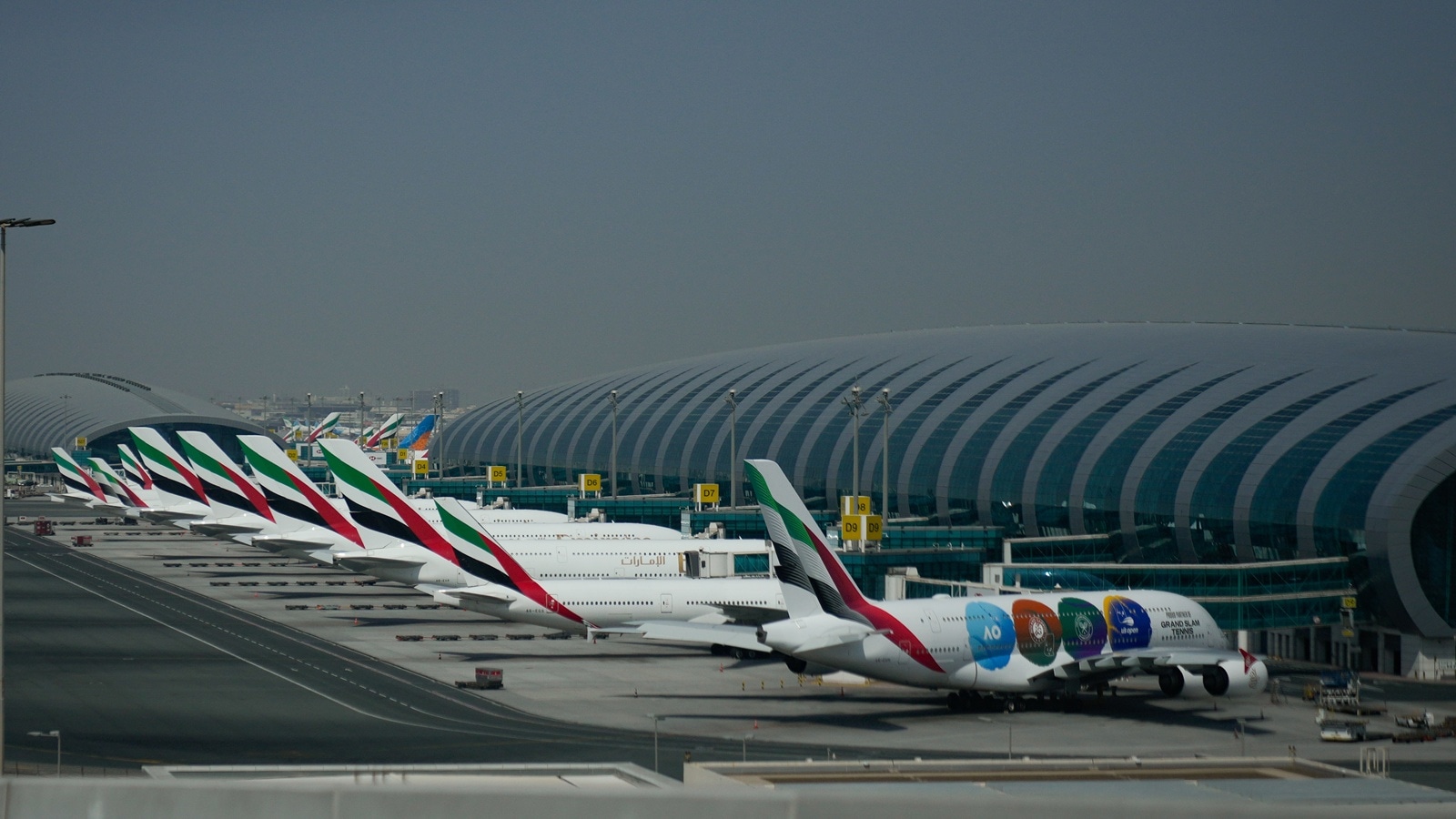
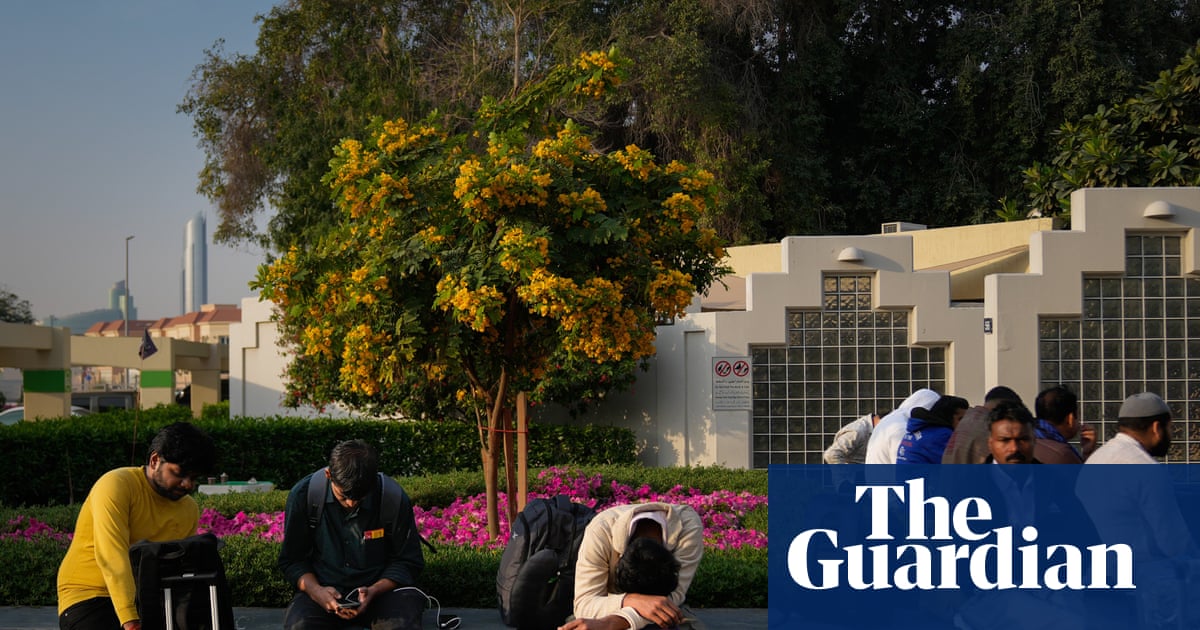
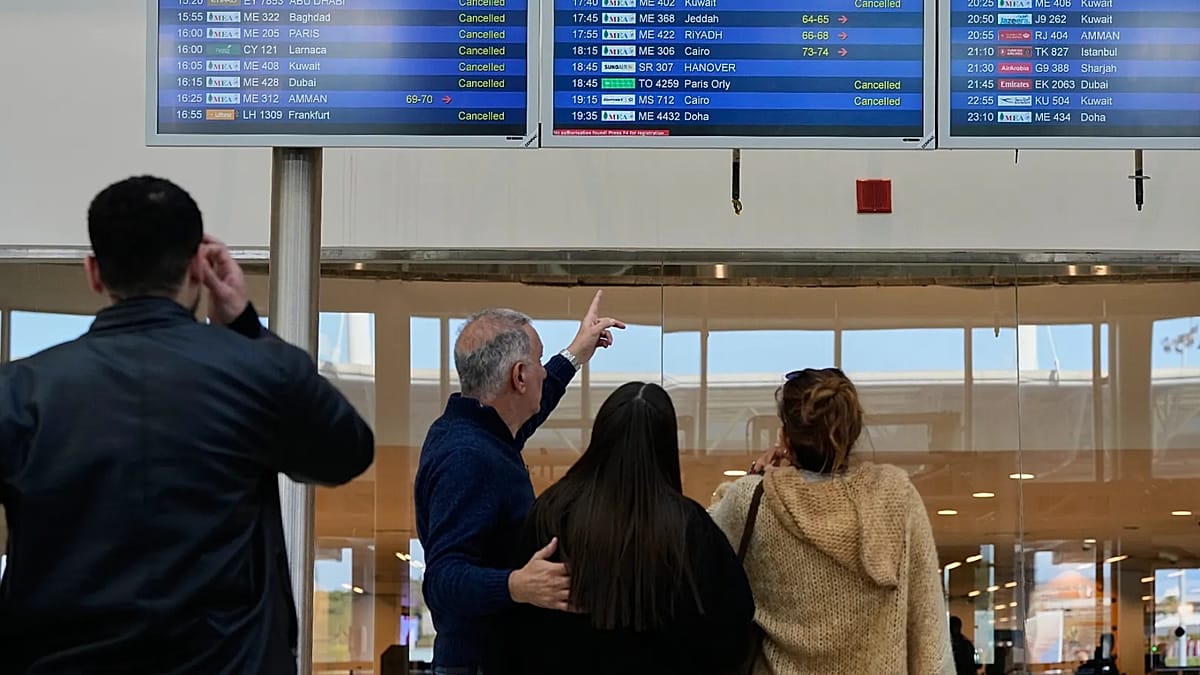
Initially, airspace closures across multiple Middle Eastern countries caused widespread flight cancellations and delays, stranding thousands of passengers worldwide. These closures affected major airports such as Dubai International Airport, Zayed International Airport in Abu Dhabi, and Hamad International Airport in Doha, disrupting operations for major Middle Eastern airlines. Governments of Bahrain, Iran, Iraq, Israel, Jordan, Kuwait, Qatar, and the United Arab Emirates were involved in implementing these restrictions. Subsequently, flights were rerouted, impacting international travel to cities including Tel Aviv, Athens, Istanbul, Rome, Philadelphia, London, Beirut, Riyadh, and Dammam. As the conflict escalated involving the U.S., Israel, and Iran, extensive airspace closures and flight disruptions continued. Dubai authorities issued warnings against spreading unverified information amid regional tensions, imposing fines up to AED 200,000. In response, Air India suspended flights to several Middle Eastern destinations, further affecting regional air travel. Airlines across the Middle East suspended or limited flights due to these closures, though some carriers began to resume operations, indicating gradual adjustment. Most recently, Iran's missile and drone attacks heightened tensions in the Gulf, prompting additional defensive measures and airspace closures across multiple countries. The recent U.S.-Israel airstrikes on Iran have led to widespread travel disruptions, stranding thousands of travelers and affecting religious pilgrimages across the Middle East.