Proliferation of Satellite Megaconstellations Raises Concerns Over Night Sky Visibility and Space Pollution


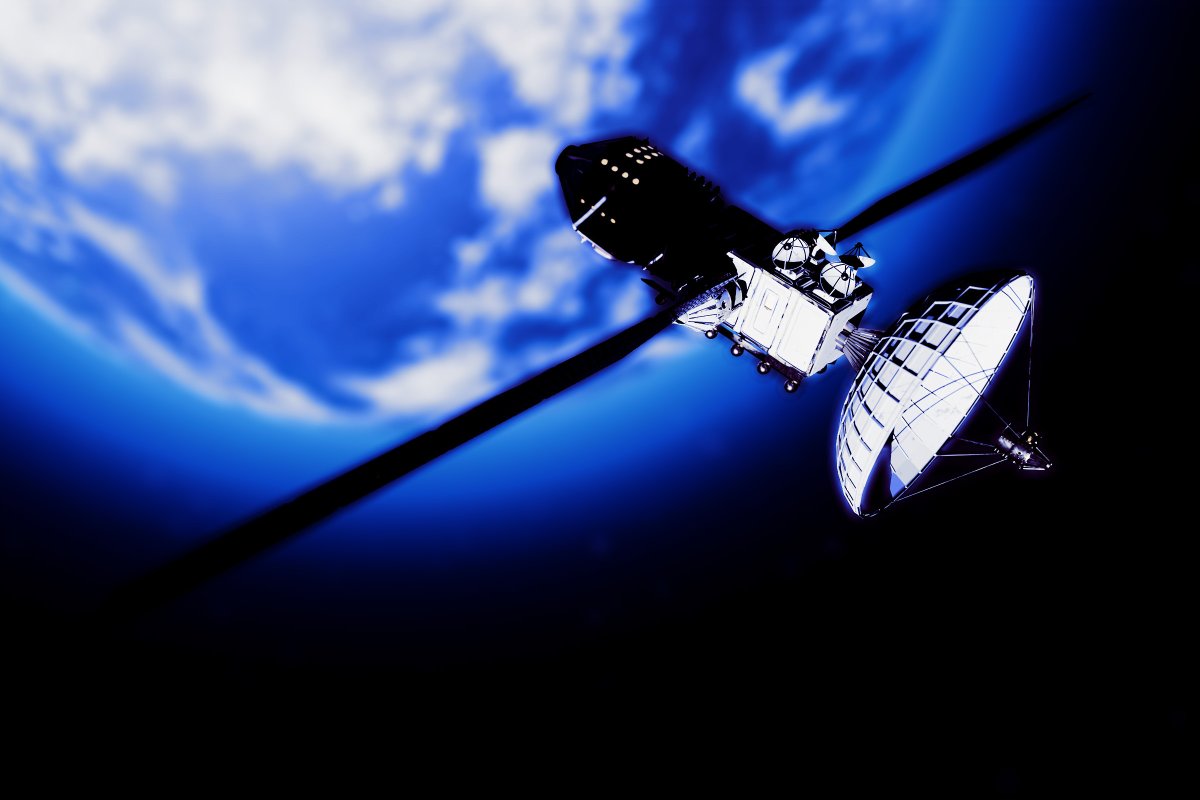
SpaceX proposed launching up to one million satellites intended to serve as AI data centers, which initially raised environmental and safety concerns. Early worries focused on potential atmospheric pollution, increased orbital debris, and heightened collision risks in Earth's orbit. Subsequently, the discussion expanded to include potential impacts on the ozone layer due to the large satellite constellation. Scientists and regulatory bodies, including the American Astronomical Society, voiced these environmental concerns. The U.S. Federal Communications Commission (FCC) is responsible for reviewing SpaceX's application, considering these factors before granting approval. Later, researchers highlighted the environmental impact of increasing satellite re-entries, emphasizing the release of harmful metals into Earth's atmosphere. Most recently, the increasing frequency of satellite launches and reentries has been noted to alter atmospheric chemistry, potentially affecting the ozone layer and climate. Additionally, the rapid proliferation of satellite megaconstellations has raised concerns about night sky visibility and space pollution, with potential consequences for both astronomy and environmental safety.