James Webb Space Telescope Observes Distant Jellyfish Galaxy

James Webb Space Telescope Observes Distant Jellyfish Galaxy

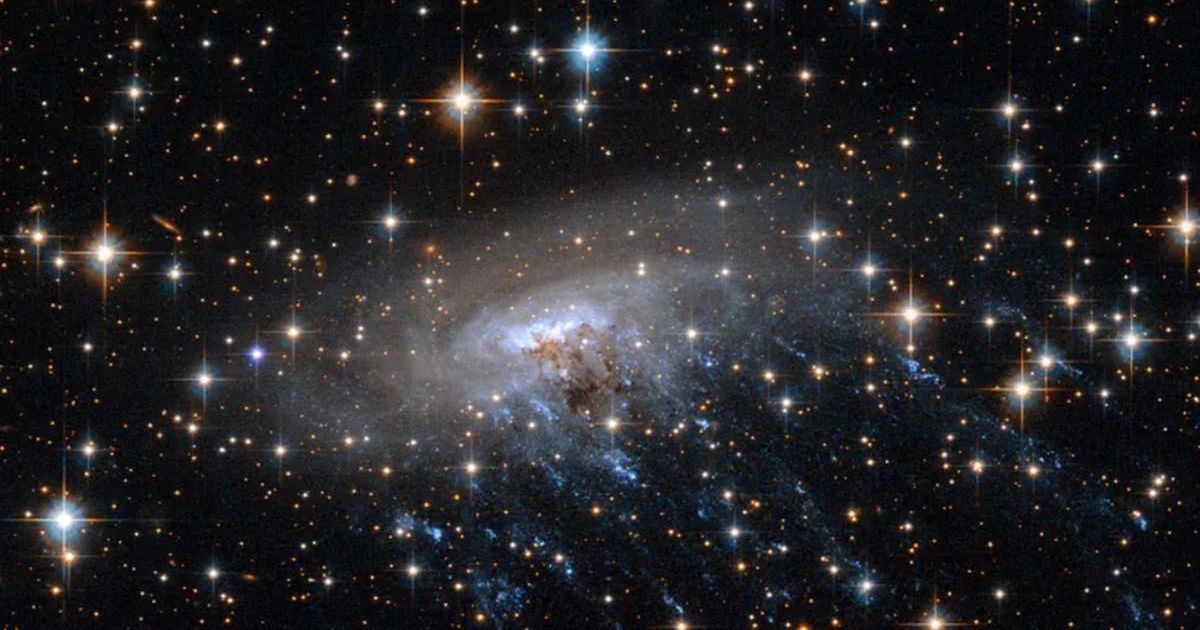
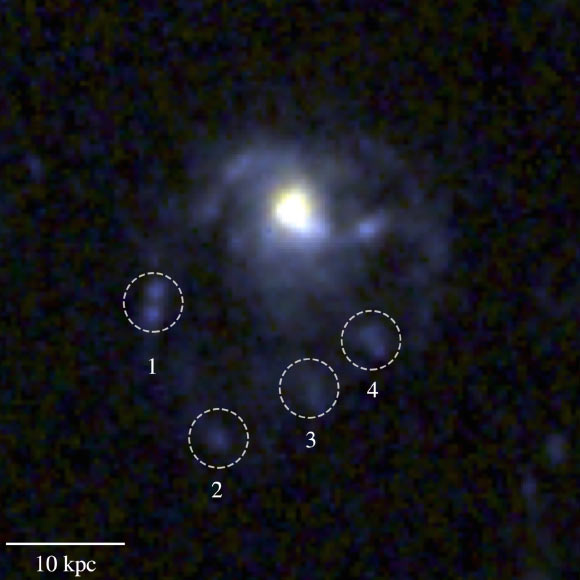
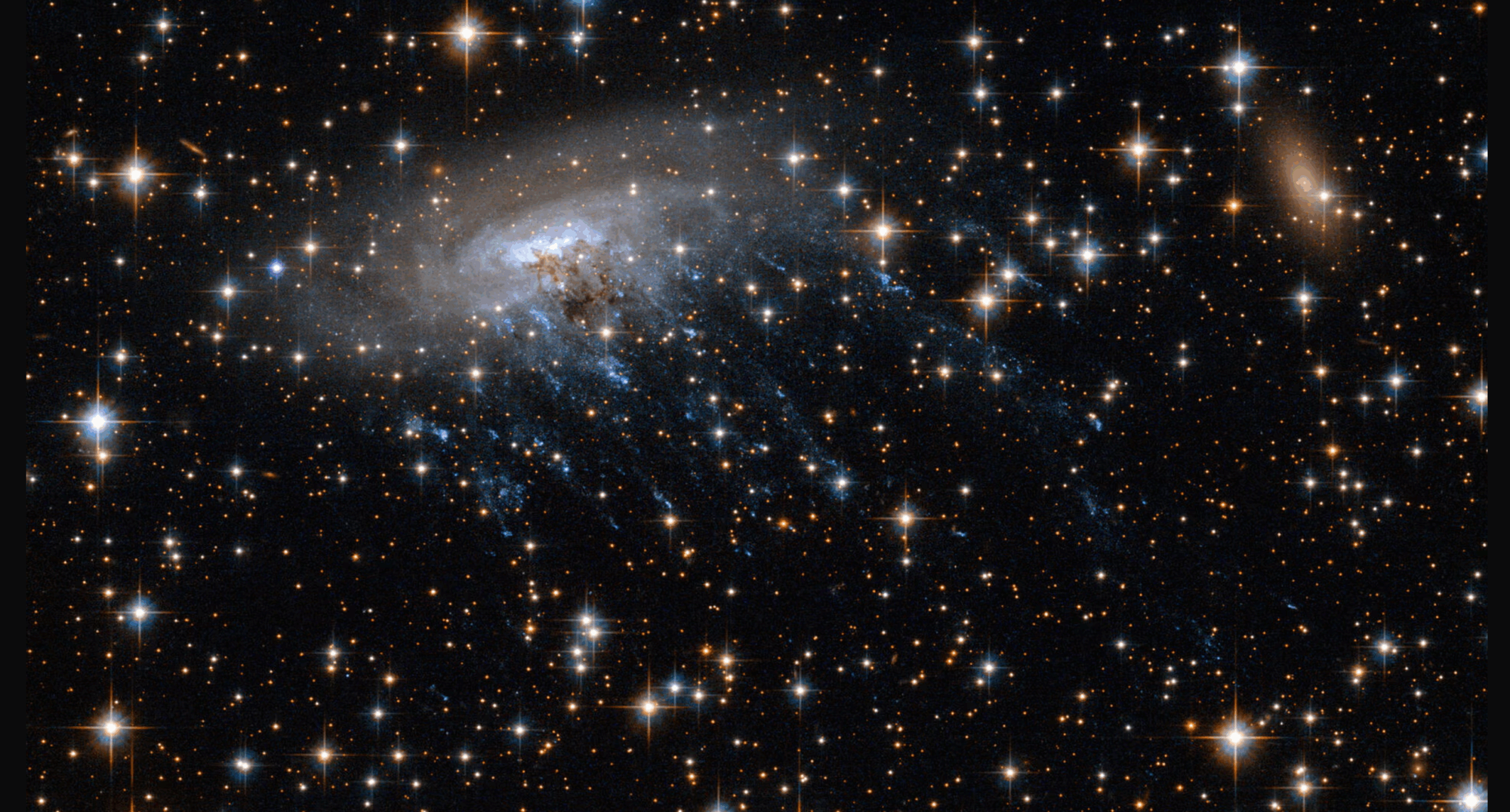
On February 18, 2026, astronomers using the James Webb Space Telescope identified a jellyfish galaxy named COSMOS2020-635829. This galaxy is located approximately 8.5 billion light-years away in the COSMOS field. It is undergoing gas stripping as it moves through a dense cluster environment, a process that offers new insights into early galaxy evolution. The discovery highlights the dynamic interactions affecting galaxies in the early universe.

The research involved astronomers including Dr. Ian Roberts from the University of Waterloo. Observations related to this discovery also have connections to Takanezawa, Japan. The findings were published on the same day, emphasizing the significance of this distant galaxy in understanding cosmic history.

Actors

James Webb Space Telescope Dr. Ian Roberts University of Waterloo Astronomers

Locations

COSMOS field

Articles

February 20, 2026
1 total
James Webb Space Telescope Observes Distant Jellyfish Galaxy

starlust.org • 20 Feb 04:48

Astronomers using the James Webb Space Telescope have identified COSMOS2020-635829, a jellyfish galaxy 8.5 billion light-years away, providing new insights into early galaxy evolution.

Credibility 80% Manip. 5% Center
February 18, 2026
2 total
James Webb Telescope Identifies Distant Jellyfish Galaxy

Sci.News • 18 Feb 23:23

Astronomers using the James Webb Space Telescope have discovered a jellyfish galaxy, COSMOS2020-635829, located 8.5 billion light-years away, providing new insights into early galaxy evolution.

Credibility 95% Manip. 0% Center
Astronomers Discover Distant 'Jellyfish Galaxy' Undergoing Gas Stripping

The Brighter Side of News • 18 Feb 23:07

Researchers have identified COSMOS2020-635829, a galaxy experiencing gas stripping due to its movement through a dense cluster environment 8.5 billion years ago.

Credibility 90% Manip. 5% Center