Melting Antarctic Ice May Reduce Southern Ocean's Carbon Absorption


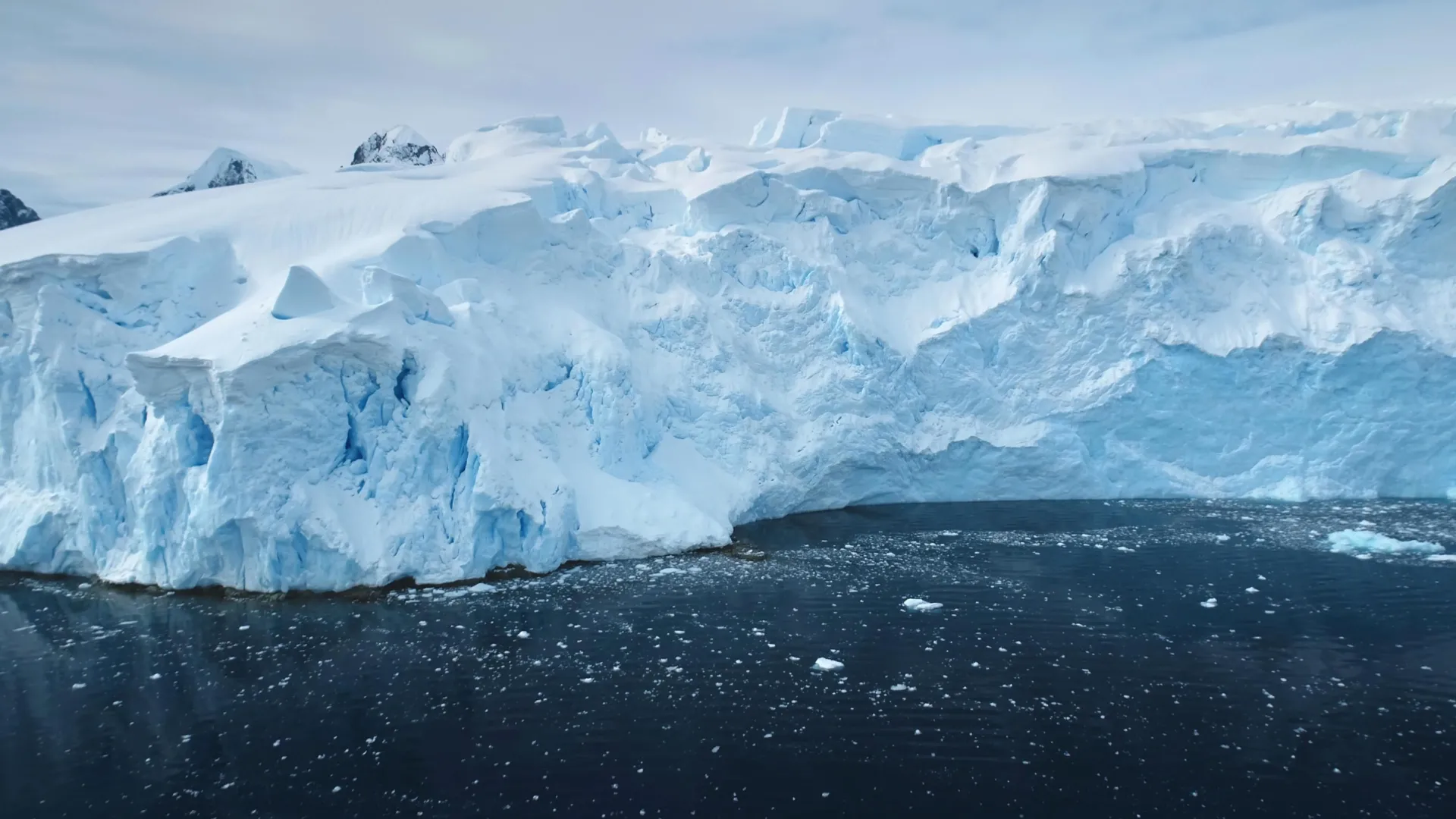
On February 2, 2026, research was published linking the retreat of the West Antarctic Ice Sheet to a potential reduction in the Southern Ocean's capacity to absorb carbon dioxide. Scientists, including Torben Struve from the University of Oldenburg and Gisela Winckler from Columbia Climate School's Lamont-Doherty Earth Observatory, analyzed sediment cores from the Pacific sector of the Southern Ocean. Their findings indicate that iron-rich sediments released from melting West Antarctic icebergs are in a form that marine algae cannot utilize effectively. Since marine algae play a crucial role in absorbing carbon dioxide, this limitation could reduce the ocean's overall carbon uptake. This research suggests a feedback mechanism where ice sheet melting impacts oceanic carbon cycles, potentially diminishing the Southern Ocean's role in carbon absorption.
The study highlights the interconnectedness of Antarctic ice dynamics and marine ecosystems, emphasizing the importance of understanding sediment composition in assessing carbon cycle changes in this region.