


Yesterday marked a day of significant scientific and technological advancements, with a total of 177 events reported across the globe. The day was characterized by a high level of activity, as evidenced by the 185 news items sourced from 165 unique outlets. The turbulence level was notably high, indicating a storm warning in the news landscape.
In a groundbreaking study, researchers have identified ER-phagy as a critical process in cellular aging. This discovery opens up new avenues for developing therapies targeting age-related diseases. The study's findings could have far-reaching implications for medical science, as scientists continue to explore the mechanisms of aging. Event

Meanwhile, on Mars, NASA's Perseverance rover achieved a milestone by completing its first drive using routes planned by artificial intelligence. This event, which took place on the Martian surface, represents a significant leap forward in autonomous space exploration, demonstrating the potential of AI in navigating extraterrestrial terrains. Event
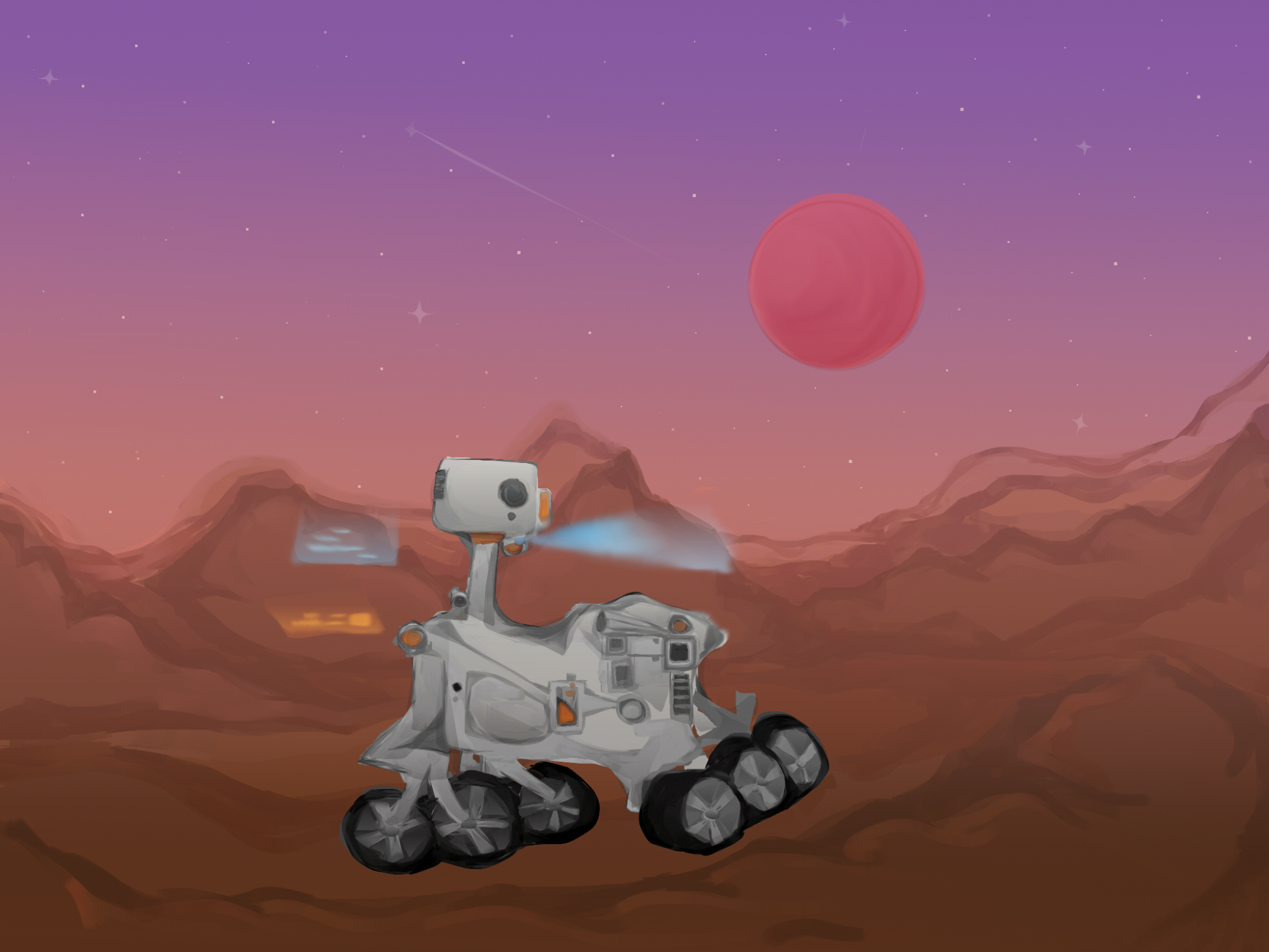
Adding to the Martian discoveries, a recent study has highlighted the impact of localized dust storms on the planet's water loss. Researchers based in Auvergne-Rhône-Alpes, France, found that these storms can significantly enhance the transport of water vapor to higher altitudes, contributing to the depletion of Mars' atmospheric water. Event

In the realm of material science, MIT researchers in Cambridge, Massachusetts, have developed a new framework for creating 3D woven metamaterials with programmable properties. This innovation holds promise for advancing technologies in soft robotics and wearable devices, offering customizable mechanical properties that could revolutionize various industries. Event

As humanity looks towards the stars, scientists in Paris, France, are urging an urgent focus on the challenges of human reproduction in space. With longer space missions and the prospect of lunar and Martian settlements, experts emphasize the need to address the ethical and health-related risks associated with reproduction beyond Earth. Event

In Rochester, New York, scientists have engineered unsinkable aluminum tubes with a superhydrophobic design. These tubes remain buoyant even when damaged, presenting potential applications in creating more resilient maritime structures and enhancing renewable energy technologies. Event

Analytical Observation
The news from February 4, 2026, highlights significant advancements in scientific research and space exploration. The focus on aging, space exploration, and material science underscores a trend towards addressing complex global challenges through innovation. The high turbulence level suggests a dynamic and rapidly evolving news environment, with multiple groundbreaking discoveries occurring simultaneously.
Uncertainties and Limitations
While the data provides a comprehensive overview of the day's events, the high turbulence level indicates potential volatility in the news landscape. The reliance on a large number of unique sources may introduce variability in reporting accuracy and interpretation of events.