NASA and ESA Observed Interstellar Comet 3I/ATLAS's Unique Journey


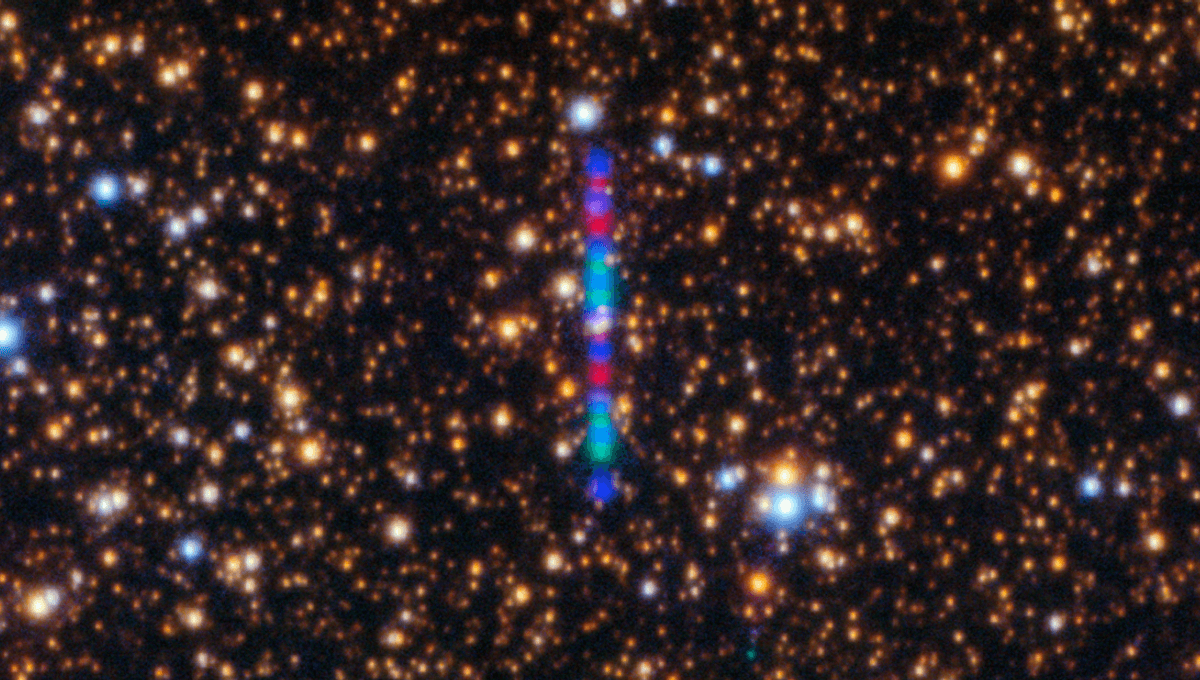
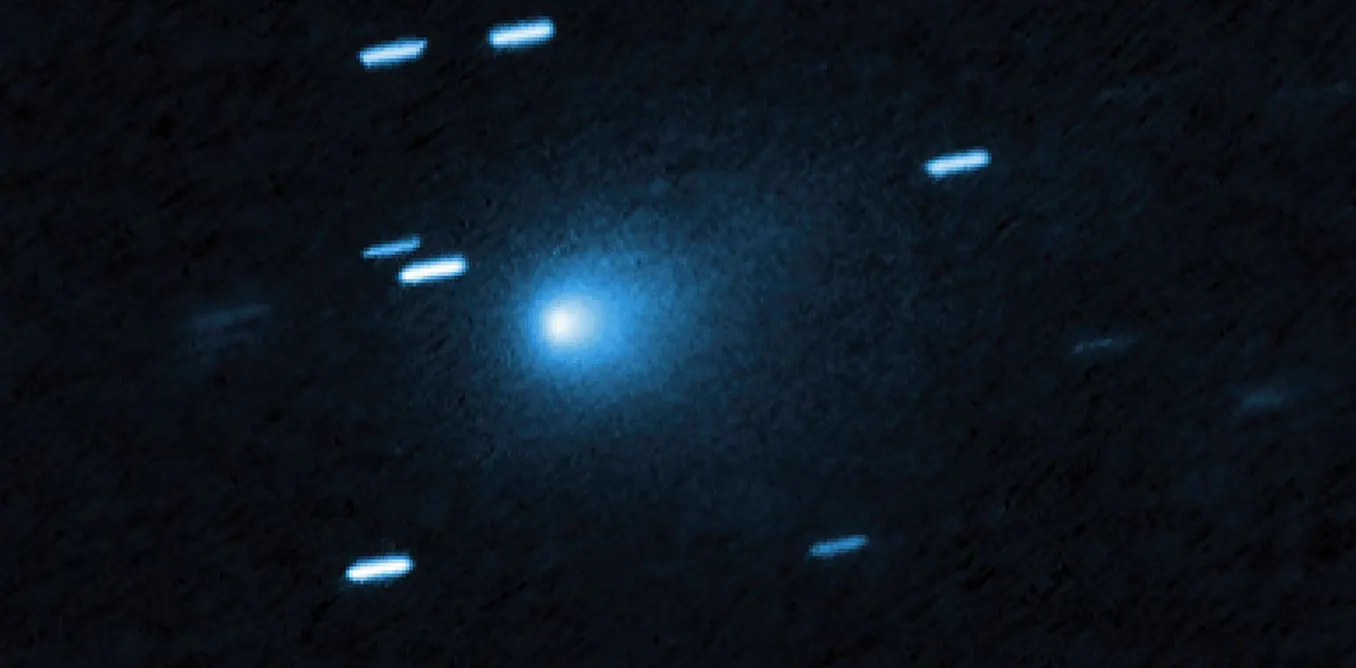
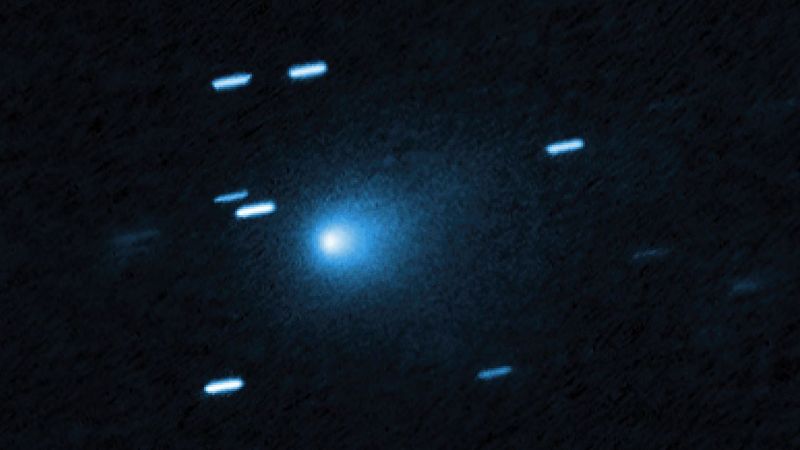
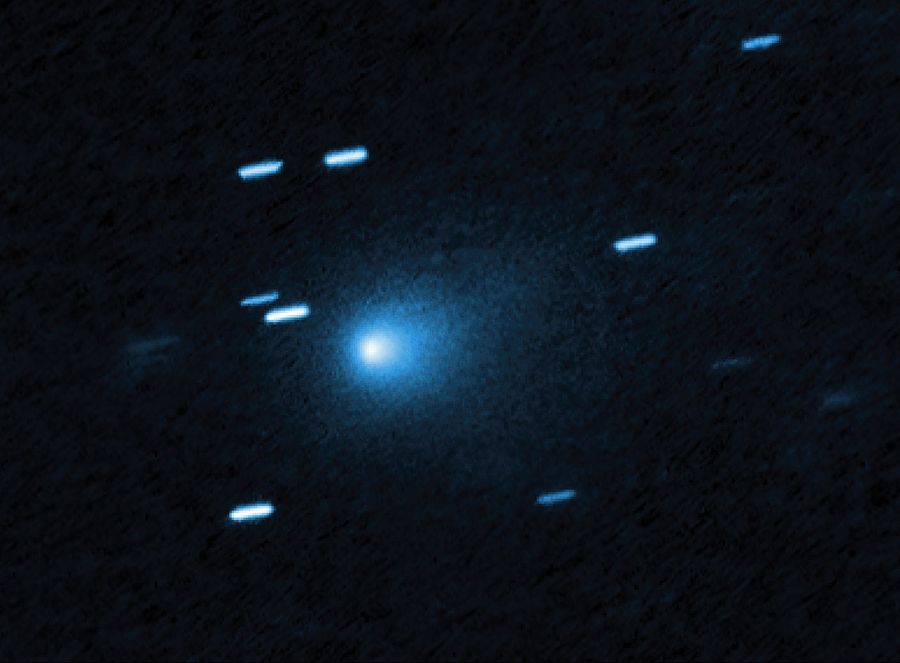
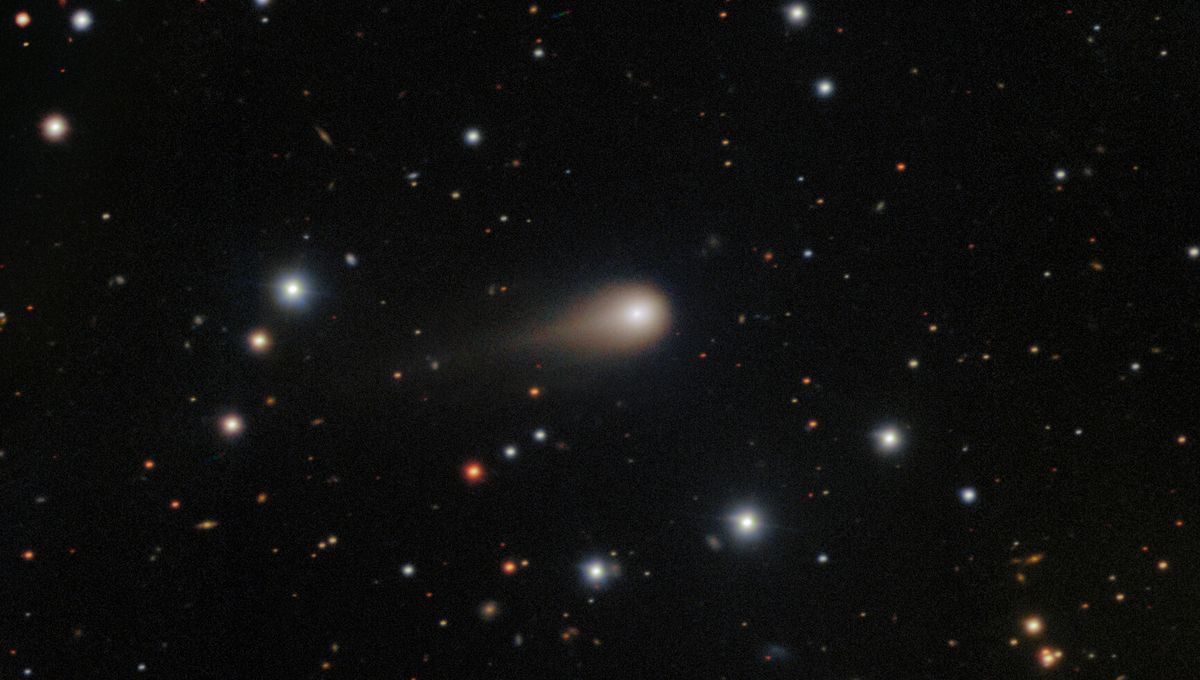
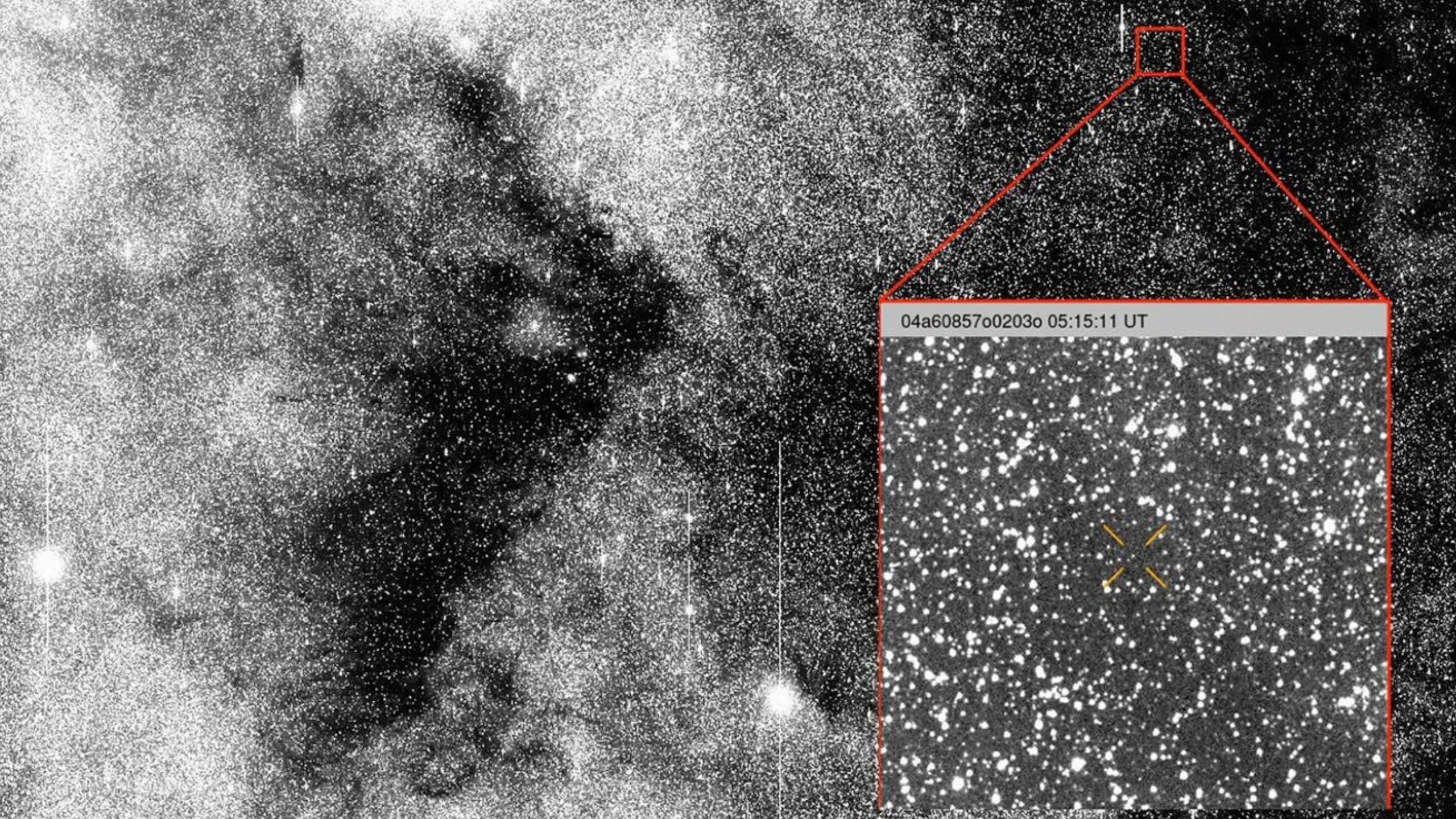
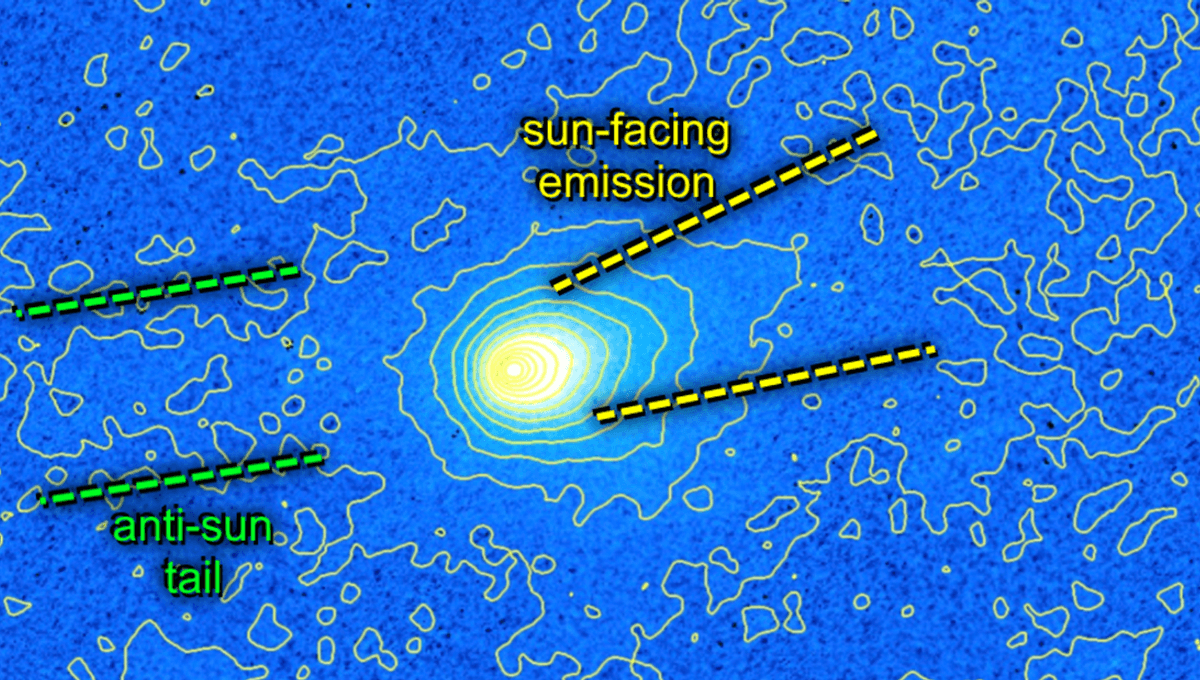
Interstellar comet 3I/ATLAS, the third known object of its kind, was closely monitored by astronomers as it traveled through the Solar System. Initial observations by NASA's James Webb Space Telescope revealed an unusually high carbon dioxide-to-water ratio in the comet's coma, suggesting it formed in a distinct environment. The comet exhibited a green coma linked to increased cyanide emissions, a rare anti-tail, and an unexpected chemical composition including high nickel and low iron levels. Notably, it displayed sunward jet activity and released approximately 180 kilograms of dust per second, surpassing previous interstellar comets in activity. Speculation about its origin included proposals by Professor Avi Loeb that it might be an artificial nuclear-powered spacecraft, though these claims were met with skepticism.
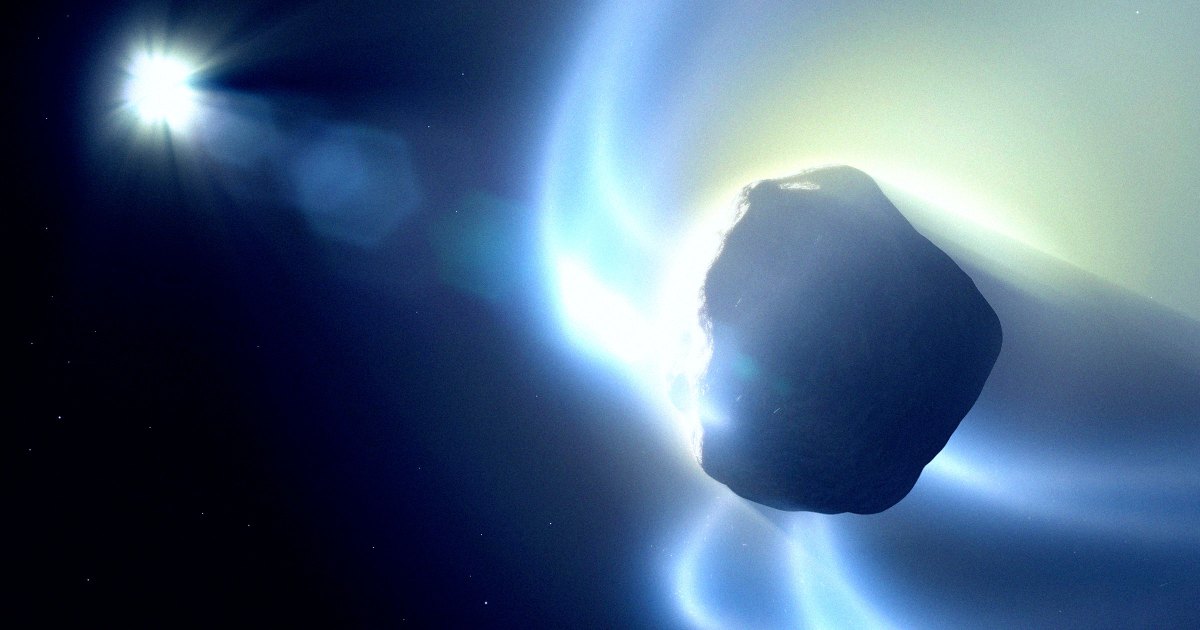
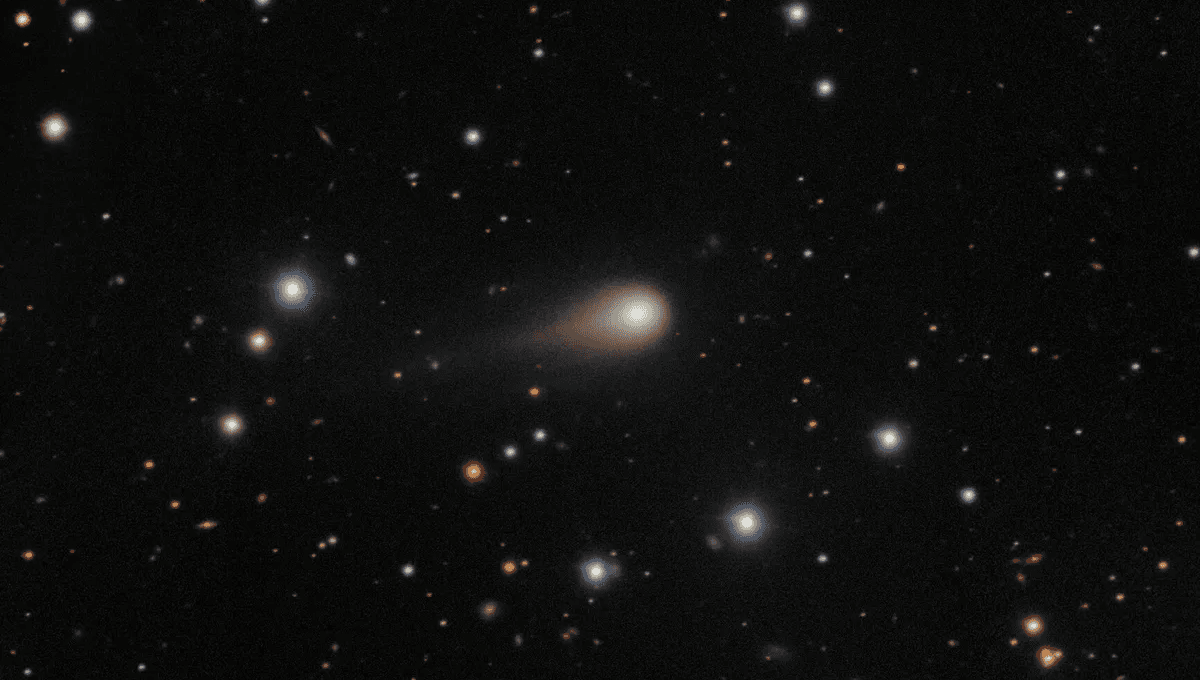
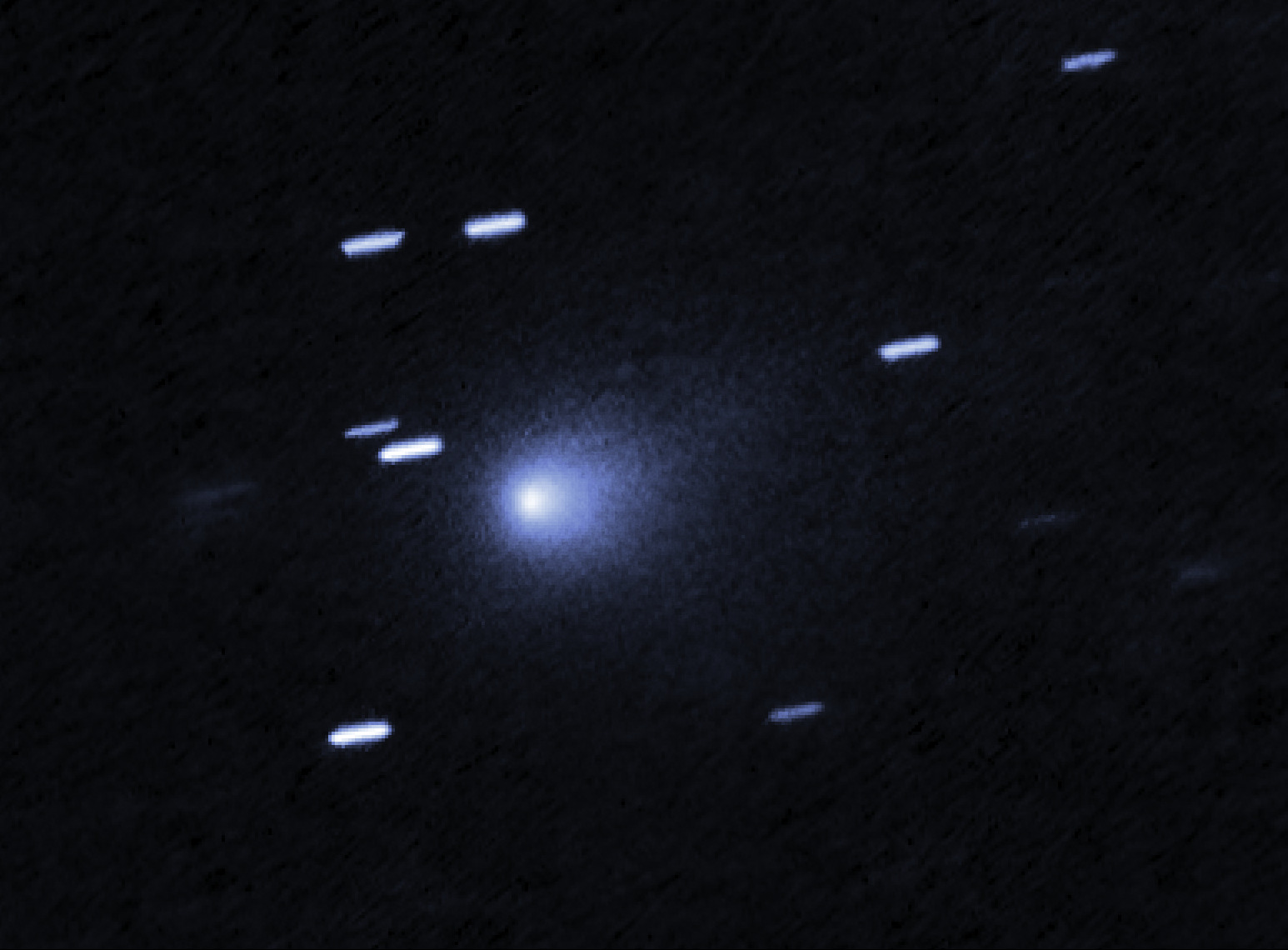
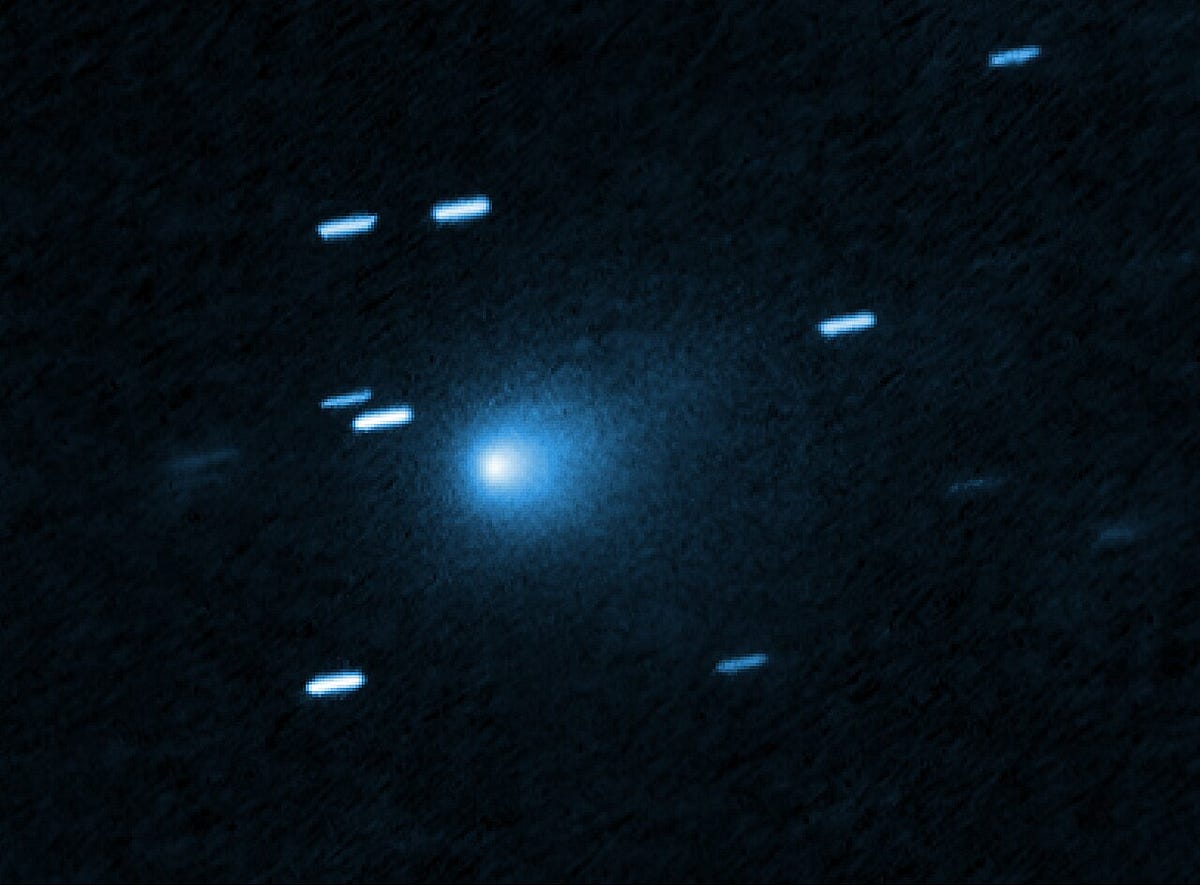
As 3I/ATLAS approached and passed perihelion, it showed unusual acceleration and a blue hue, along with significant mass loss and a slight trajectory shift. The European Space Agency's JUICE spacecraft and China's Tianwen-1 orbiter also captured valuable data and images of the comet. NASA has archived comprehensive observations in public data repositories, fueling ongoing scientific debate and future research opportunities. Despite social media claims, no credible evidence emerged of withheld or concealed data, underscoring the transparency of the international scientific community's efforts to study this rare interstellar visitor.