Australian retailers cite falling confidence as interest rates and food prices rise


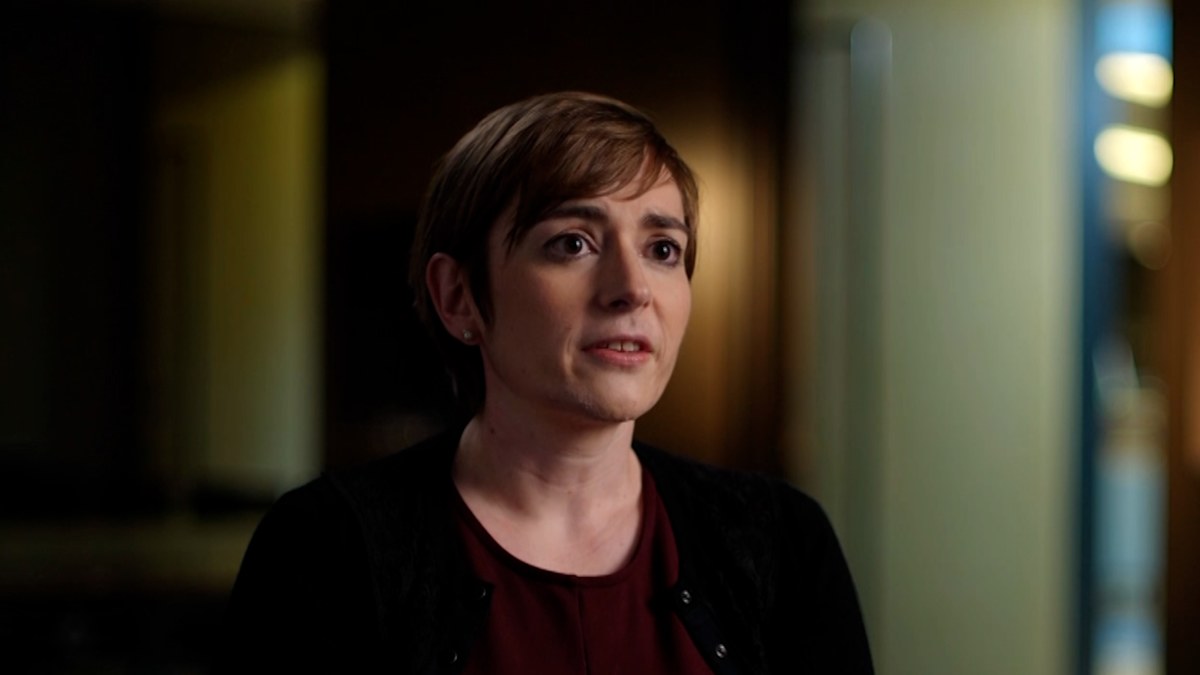
Major Australian retailers said cost-of-living pressures from higher interest rates and food prices were cutting consumer confidence and weakening demand, and the Reserve Bank of Australia was expected to implement another rate increase. Earlier in the year, Reserve Bank assistant governor Dr Sarah Hunter defended recent rate hikes as the most effective tool to curb inflation, acknowledging the strain on mortgage borrowers and noting supply constraints in the housing market. In a 60 Minutes interview she reiterated that the central bank must rely on interest-rate policy to tame inflation despite homeowner hardship. She also told the program that government spending contributes to high inflation but the bank has limited ability to offset it, and that further hikes were likely. Economists later projected that trimmed-mean inflation would exceed the bank’s forecasts, raising the likelihood of a cash-rate increase in November. Markets and the Reserve Bank weighed a possible fifth rate rise ahead of September CPI data, with analysts split on whether the cash rate would climb to 4. 85 %.
September CPI showed headline inflation at 4. 3 % and underlying at 3. 6 %, prompting expectations of another rate increase before the November decision. The bank later said current data did not indicate a recession risk in the next six months, though inflation remained above target. Internationally, analysts expected the Reserve Bank of Australia to raise rates for a fifth time while the U. S. Federal Reserve held rates steady and New Zealand’s central bank left its cash rate unchanged, amid warnings of a possible abrupt global slowdown.