Stanford Study Reveals Separate Progenitor Origins for Forebrain and Hindbrain

Stanford Study Reveals Separate Progenitor Origins for Forebrain and Hindbrain

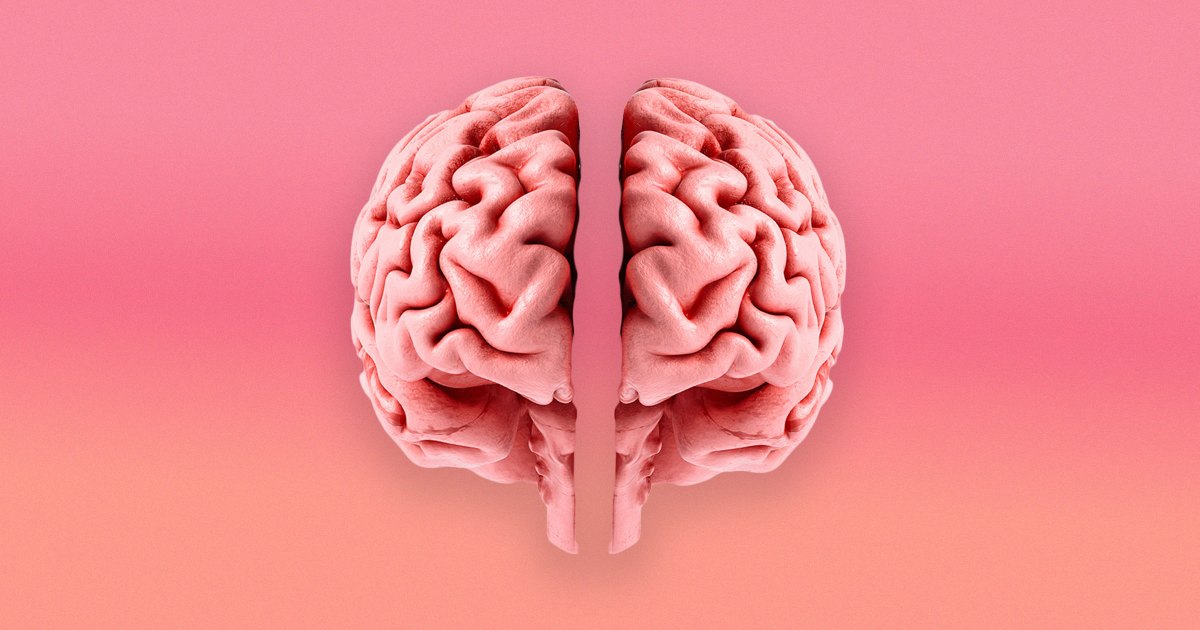
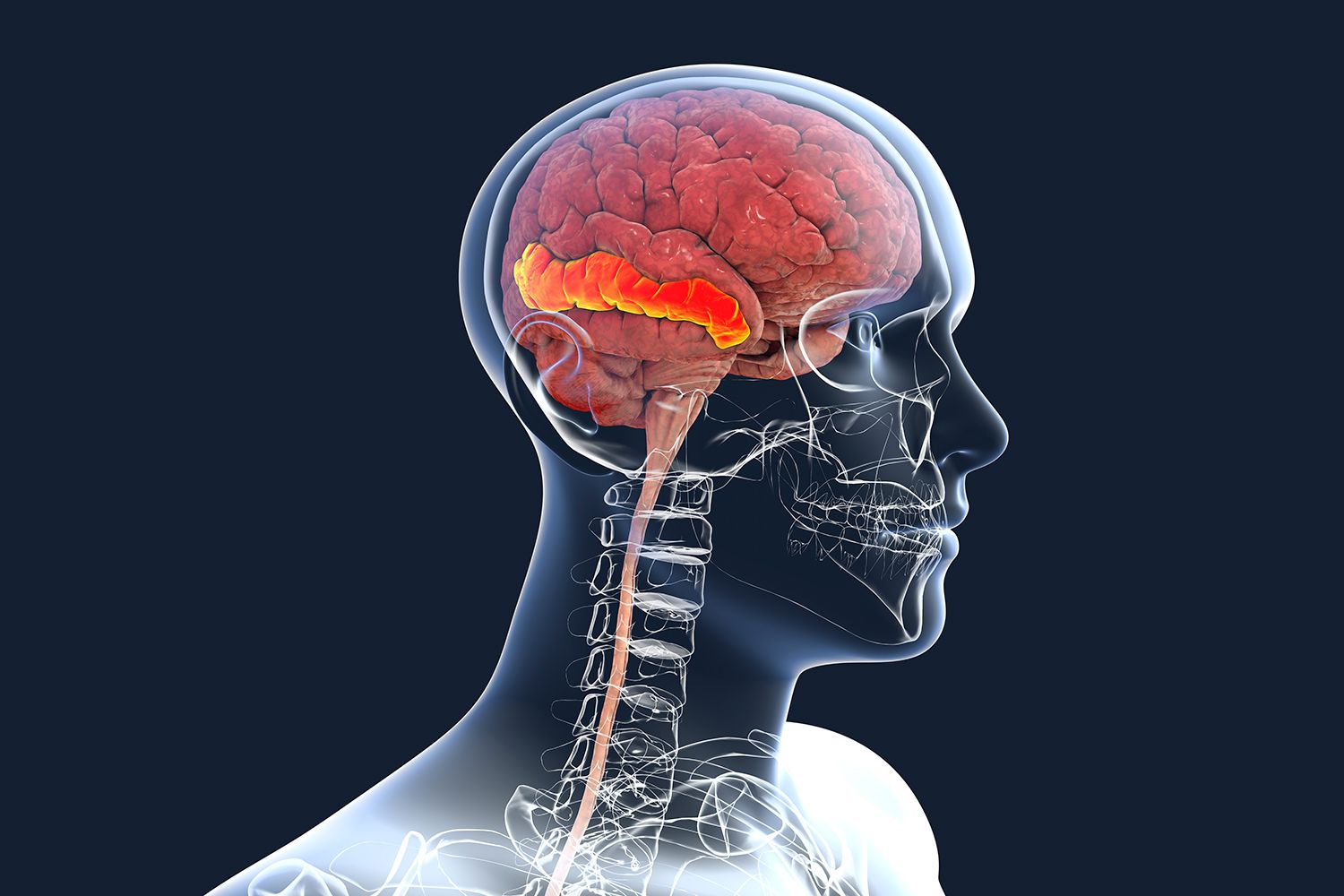
Stanford University researchers announced that their study, published in Nature Neuroscience, identified distinct progenitor cell populations that give rise separately to the forebrain and the hindbrain. The finding, first reported in earlier papers, overturns the long-standing view that a single starter cell type generates the entire brain. Earlier reports in Nature, The Independent and Medical Xpress described the same discovery and noted its potential to improve laboratory models of brain-stem diseases and to facilitate the production of specific neuronal types for disease research.

Actors

Kyle Loh Stanford University

Locations

Stanford University, Stanford, California, United States

Articles

September 24, 2026
1 total
Stanford Researchers Identify Distinct Developmental Origins for Forebrain and Hindbrain

Futurism • 24 Sep 13:41

A Stanford-led study published in Nature Neuroscience reports that the human forebrain and hindbrain arise from separate progenitor cells, a finding that may reshape understanding of brain evolution and improve laboratory modeling of neurological diseases.

Credibility 72% Manip. 10% Center
September 22, 2026
1 total
Stanford Researchers Propose Brain Consists of Two Distinct Organs

aol.com • 22 Sep 11:04

A study by Stanford University suggests the human brain may be composed of two independently evolved organs, a finding that could aid research into brainstem disorders such as ALS and spinal muscular atrophy.

Credibility 72% Manip. 8% Center
September 21, 2026
1 total
Study finds human brain comprises two distinct evolutionary organs

Yahoo • 21 Sep 17:38

Stanford Medicine researchers report that the forebrain and hindbrain develop from separate progenitor cells, redefining the brain as two independent organs and enabling new laboratory models.

Credibility 72% Manip. 8% Center
September 18, 2026
3 total
Study Finds Two Distinct Progenitor Cell Types Drive Brain Development

Nature • 18 Sep 18:20

Researchers report that separate progenitor cells give rise to the hindbrain and the forebrain/midbrain, challenging the long-standing view of a single starter cell for the entire brain.

Credibility 72% Manip. 7% Center
Stanford researchers find human brain develops from two distinct cell lineages

The Independent • 18 Sep 15:15

Stanford scientists report that the front and back of the human brain originate from separate embryonic cell groups, a discovery that could aid the production of specific neurons for disease research.

Credibility 72% Manip. 9% Center
Stanford study finds human brain develops from two separate embryonic progenitors

Medical Xpress • 18 Sep 09:00

Researchers at Stanford Medicine reported that the forebrain and hindbrain arise from distinct progenitor cells, a finding that could improve laboratory models of brain-stem diseases.

Credibility 78% Manip. 9% Center