Ship traffic through Hormuz surges as vessels favor US-backed corridor


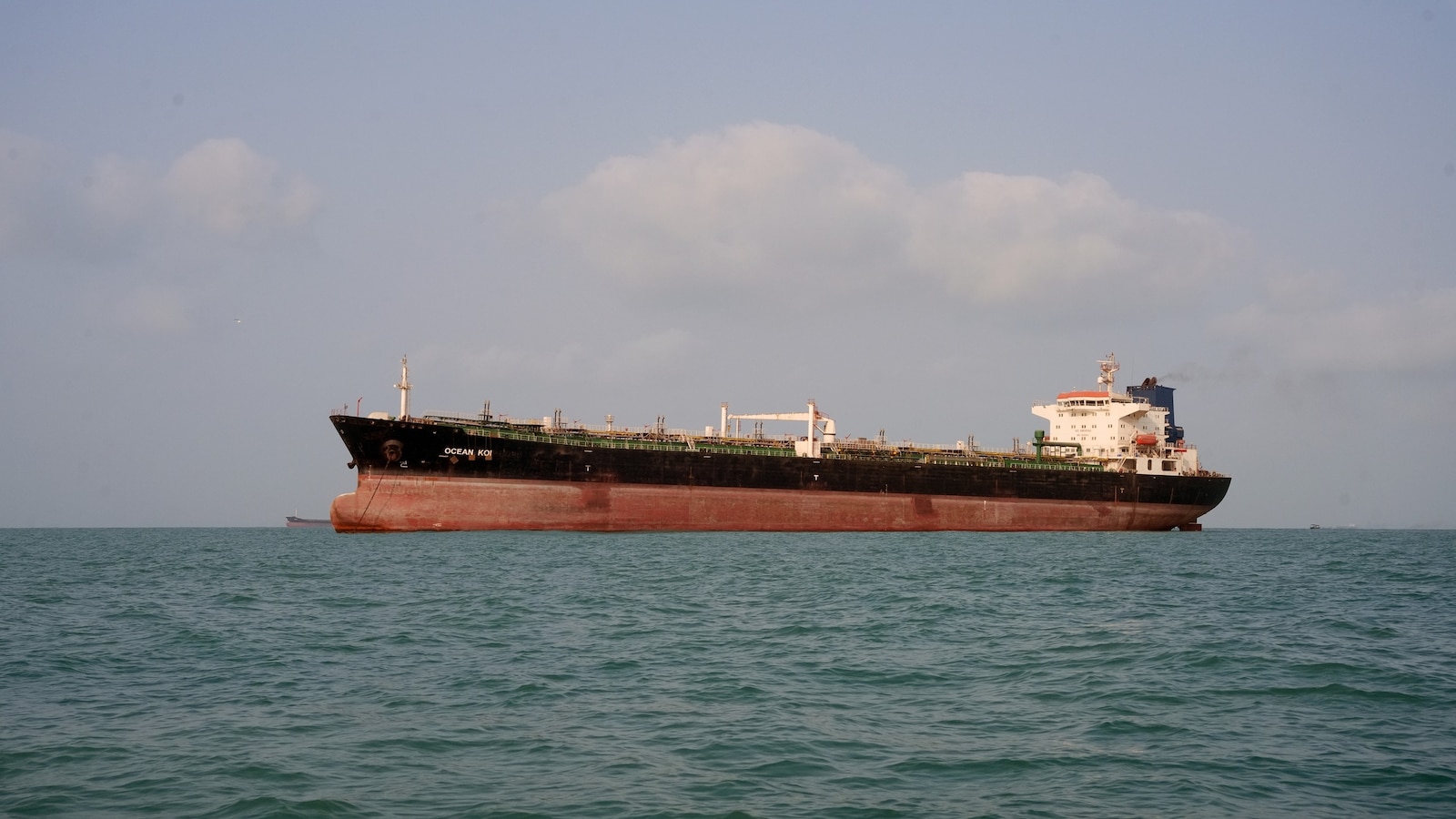
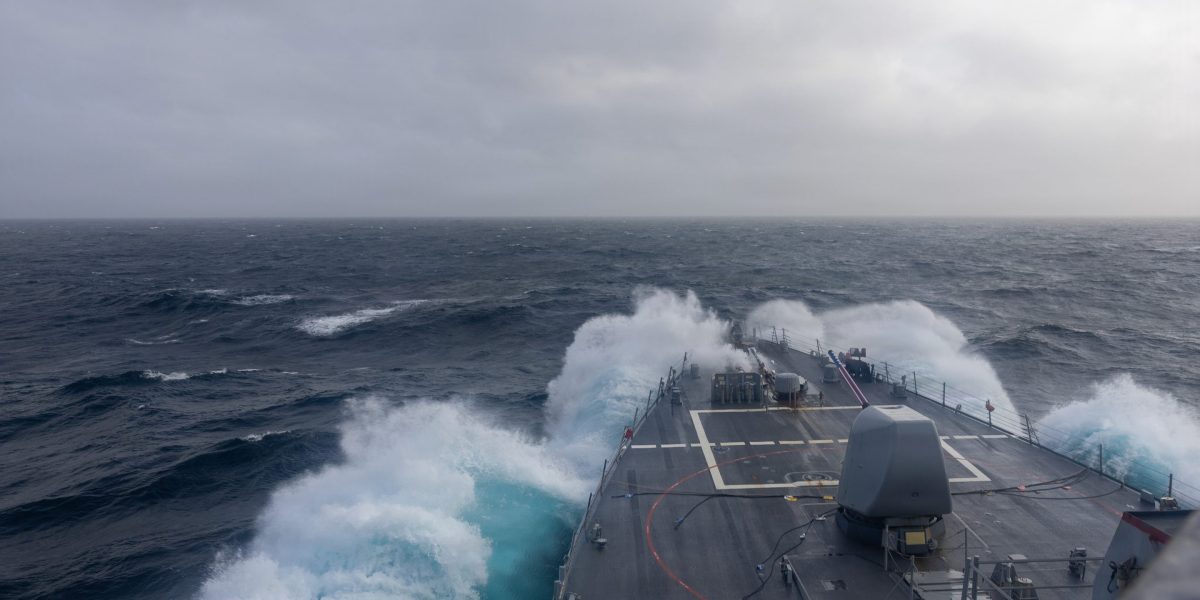
Analysts reported on 22 August that ship traffic through the Strait of Hormuz had risen by nearly 400 % in the previous two weeks, with the majority of vessels using the UN-approved Omani channel supported by the United States. U. S. Central Command said its forces had escorted more than 1,300 commercial tankers, moving about 660 million barrels of crude through the strait since early May, despite ongoing security tensions. Data from CNN showed that over 80 % of ships had shifted to the Omani corridor, reducing Iran’s ability to levy tolls, while Al Jazeera reported that more than 80 % of oil and gas vessels and over 60 % of all ships were using unregistered routes, reflecting reluctance to confront Tehran. Satellite imagery cited by Fortune revealed Saudi vessels preparing to increase oil shipments through the strait as a U. S.
-reimposed naval blockade limited Iran’s exports; Gulf producers such as Saudi Arabia and Qatar were also employing U. S. -protected, transponder-off voyages and ship-to-ship transfers to keep exports flowing amid Iranian drone attacks. Energy Secretary Chris Wright claimed Middle East oil exports had returned to pre-war levels, although satellite and shipping data indicated reduced crude movement, and U. S. officials reported roughly 15 million barrels per day leaving the Gulf via a mix of visible, dark and pipeline transports, contrary to Iran’s claim that the waterway was shut.