Estudio de la Universidad de Pittsburgh vincula rascar con mayor inflamación del eccema

Estudio de la Universidad de Pittsburgh vincula rascar con mayor inflamación del eccema

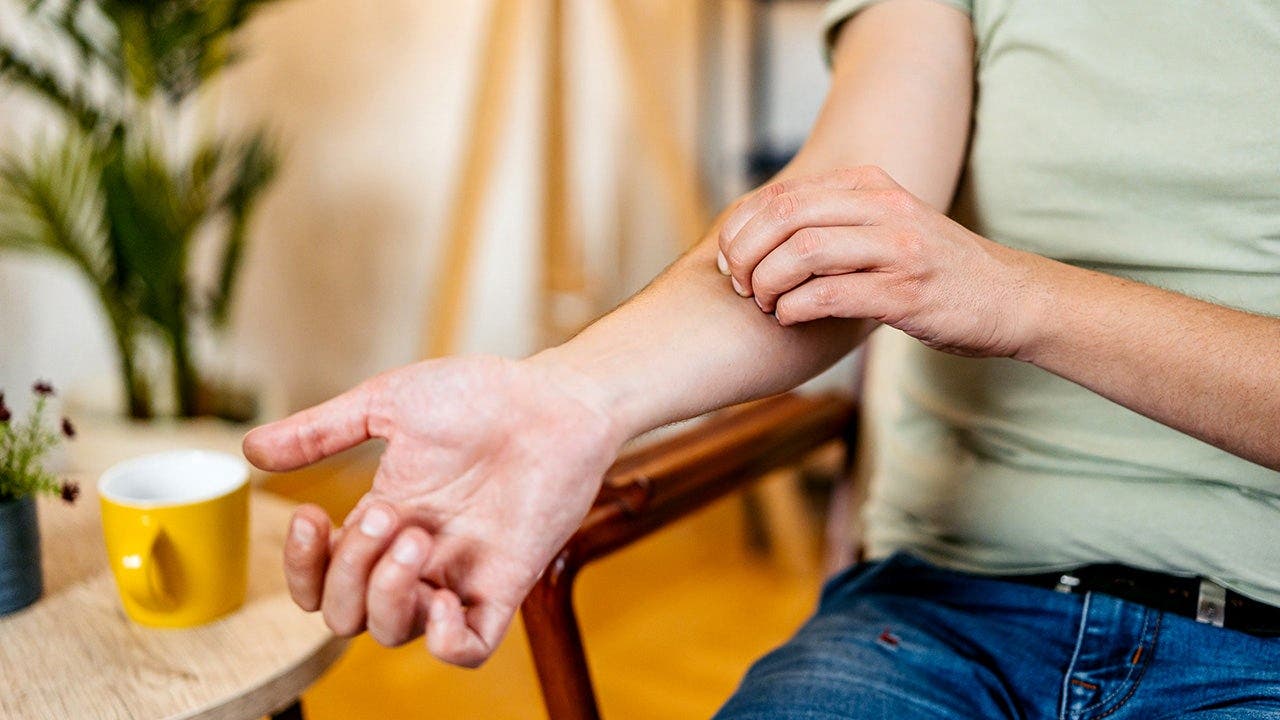
Investigadores de la Universidad de Pittsburgh encabezados por el Dr. Daniel Kaplan informaron que rascar intensifica la inflamación en ratones con afecciones cutáneas similares al eccema. AP News describió el estudio como evidencia de que rascar una picazón aumenta la hinchazón y la actividad de células inmunitarias, reforzando la recomendación de evitar rascar. KSL News replicó el hallazgo, señalando que la respuesta inmune inducida puede prolongar la incomodidad, mientras que el New York Post añadió que el efecto amplifica reacciones alérgicas en la piel.

Posteriormente, Fox News informó que la mayor inflamación se debía a la activación de mastocitos y la liberación de histamina. El reporte indicó que este mecanismo prolonga el ciclo picor-rascado. En una actualización posterior de Fox News, se señaló que los investigadores observaron una reducción de ciertas poblaciones bacterianas cutáneas cuando se rasca. Los autores sugirieron que limitar el rascado mitiga tanto la respuesta inflamatoria como los cambios en la microbiota.
Actores

University of Pittsburgh Dr. Daniel Kaplan

Ubicaciones

Sin registros

Artículos

4 de julio de 2026
2 en total
Scratching an itch worsens eczema and skin inflammation, study finds

Fox News • 4 de jul 15:55

Researchers at the University of Pittsburgh found that scratching intensifies inflammation in eczema-like skin conditions by activating mast cells, while also reducing certain bacteria, suggesting a complex trade-off.

Credibilidad 72% Manip. 10% Centro
Scratching an itch worsens eczema and skin inflammation, study finds

Fox News • 4 de jul 15:55

Research on mice shows that scratching triggers mast cell activation and histamine release, worsening skin inflammation and extending the itch-scratch cycle, while limiting scratching reduces these effects.

Credibilidad 78% Manip. 8% Centro
30 de junio de 2026
1 en total
Scratching that bug bite might feel good at first but science says it’s a bad idea

New York Post • 30 de jun 21:11

Research on mice indicates that scratching amplifies swelling and immune response in allergic skin reactions, confirming medical advice to avoid scratching.

Credibilidad 55% Manip. 8% Centro
27 de junio de 2026
2 en total
Scratching that bug bite might feel good at first, but science explains why it's a bad idea

KSL News • 27 de jun 15:03

A study using mice shows that scratching an itch triggers immune responses that increase swelling and can prolong discomfort, confirming medical advice to avoid scratching.

Credibilidad 72% Manip. 7% Centro
You've been told you shouldn't scratch that itch. Is that true?

AP News • 27 de jun 11:51

Research using mice shows that scratching an itch increases swelling and immune cell activity, confirming medical advice to avoid scratching despite temporary relief.

Credibilidad 77% Manip. 9% Centro