Iranian factional clash over Hormuz talks fuels shipping turmoil


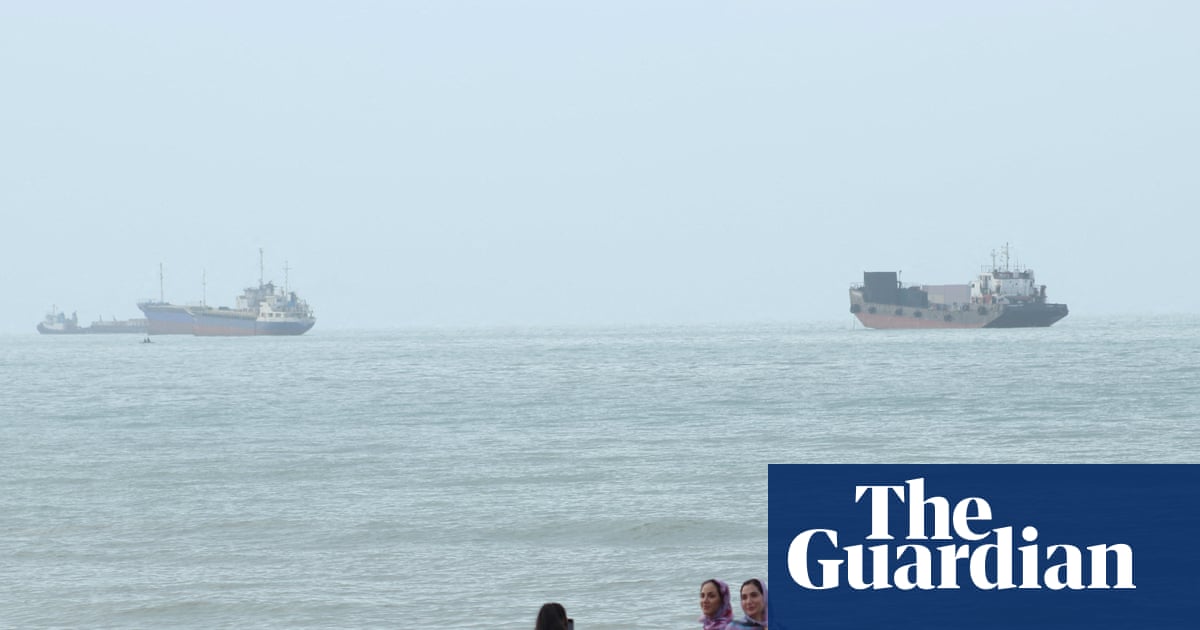
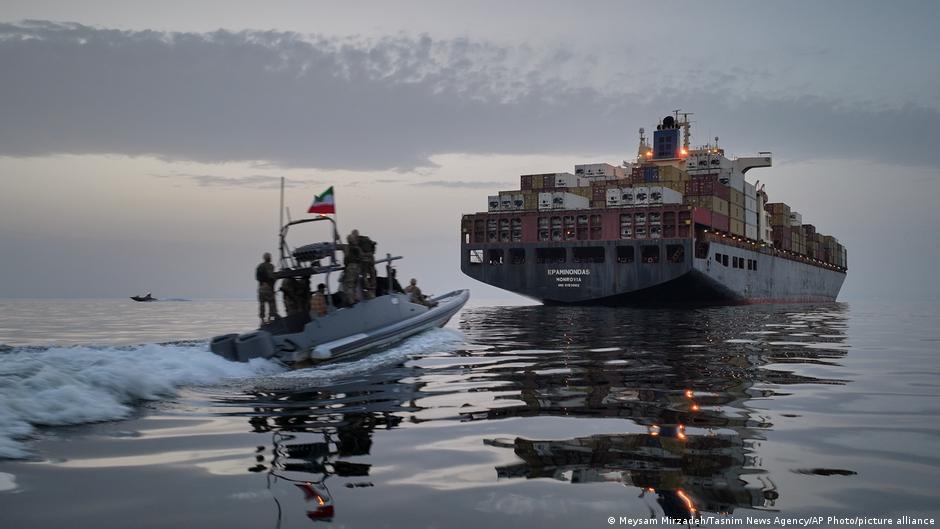
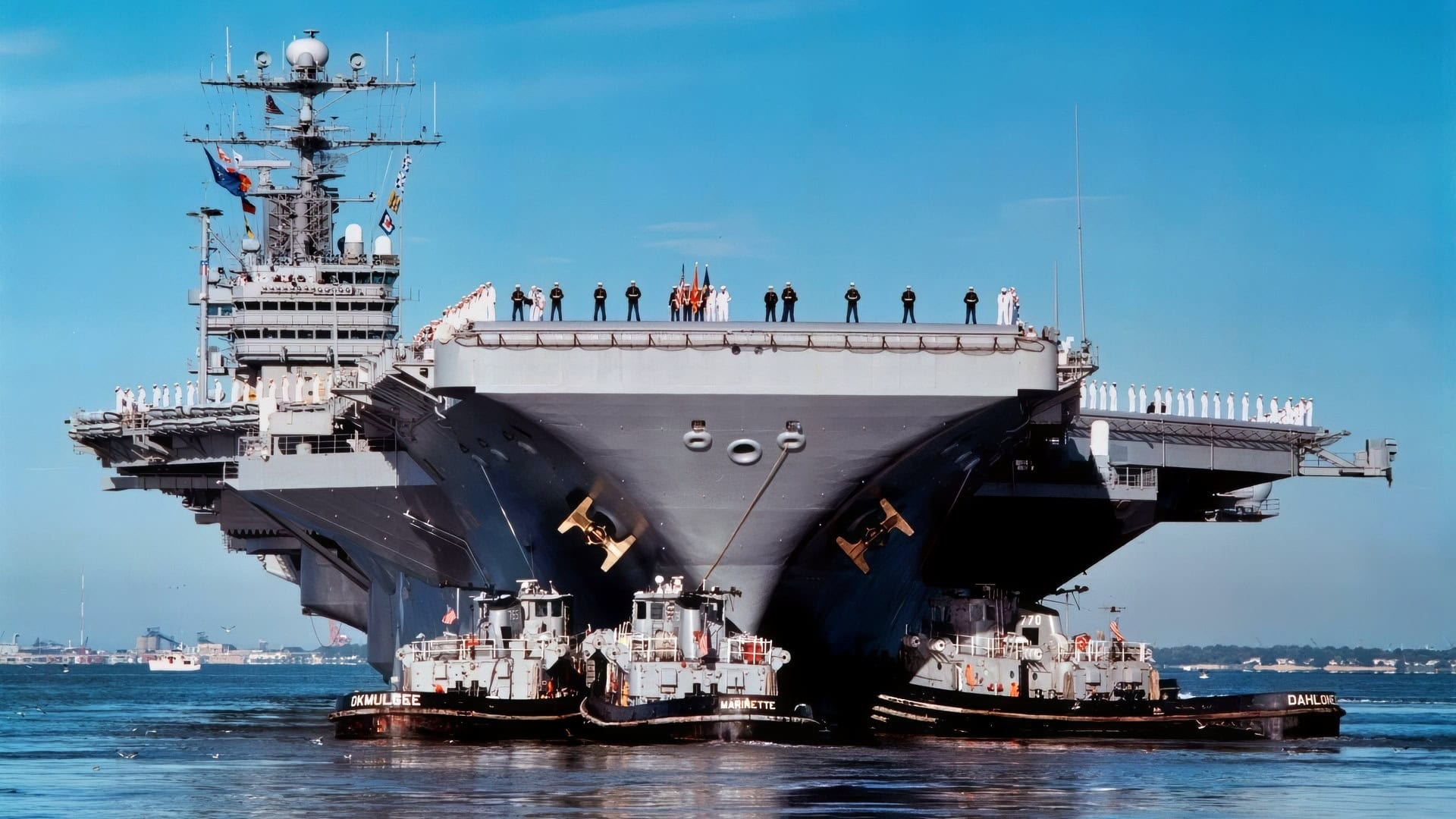
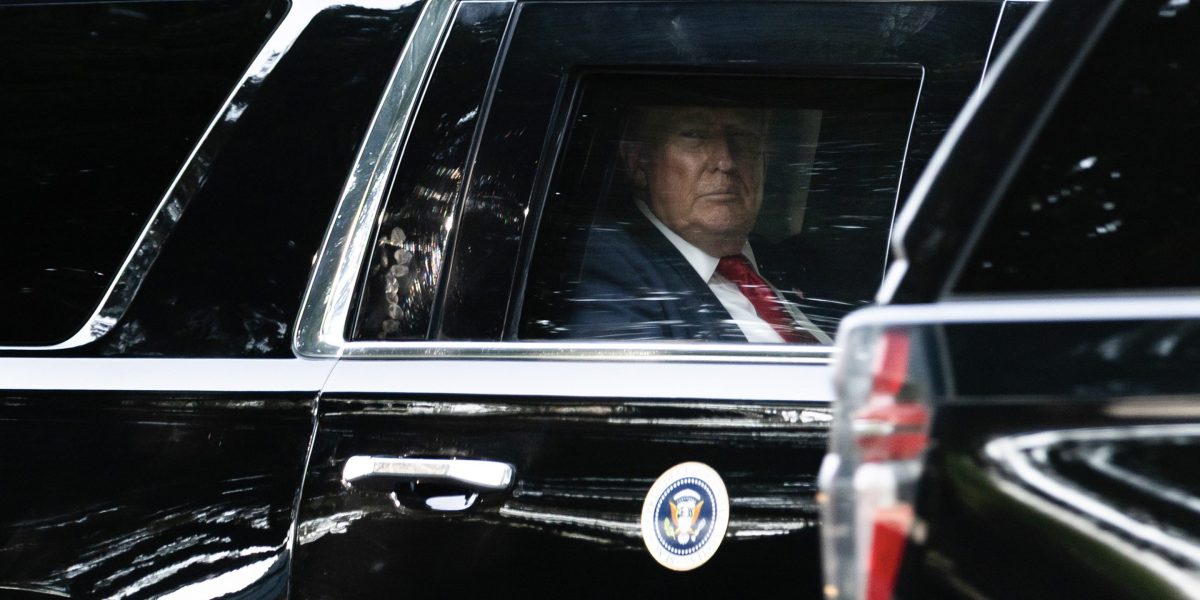
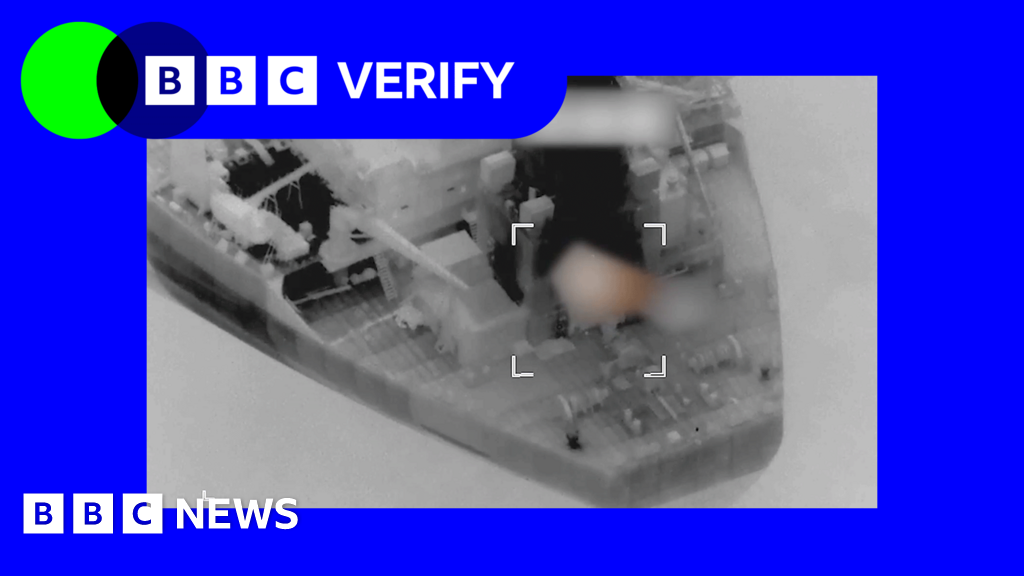
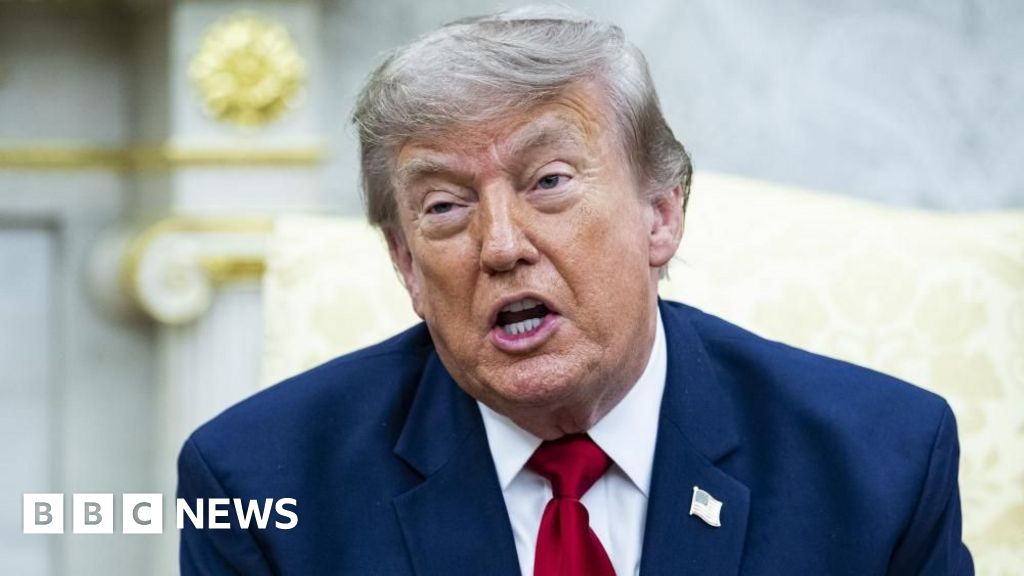
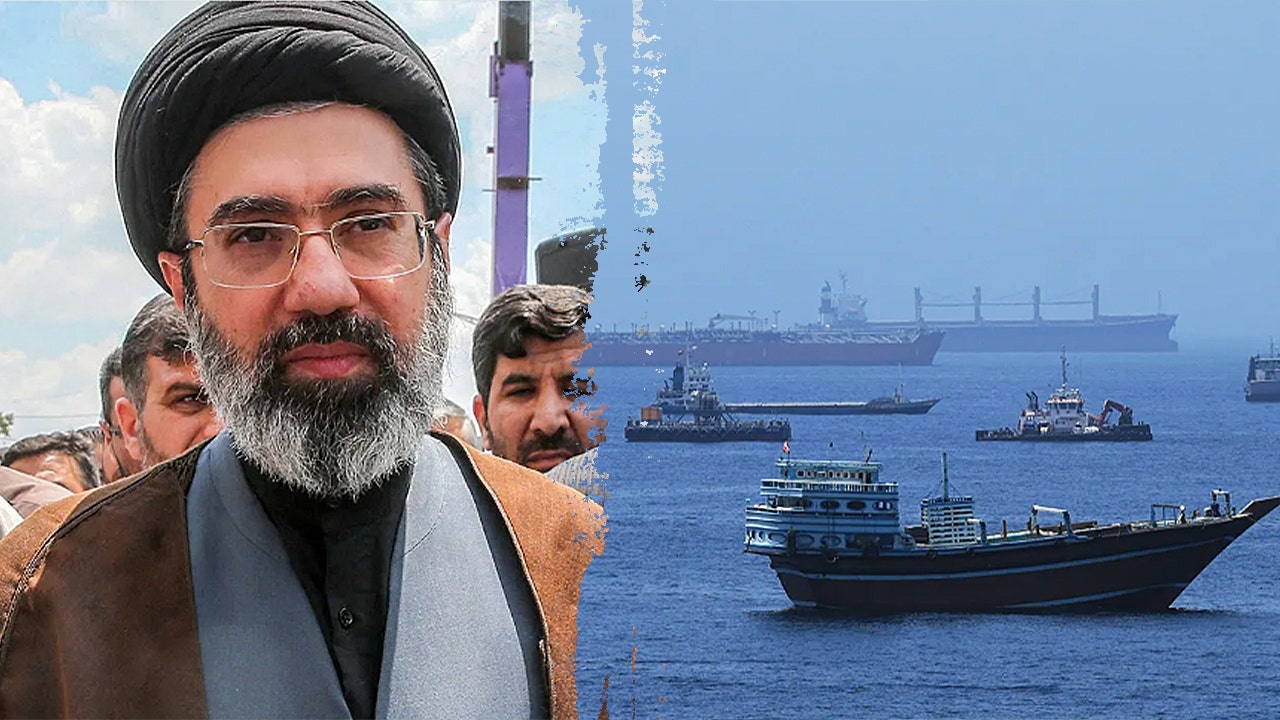
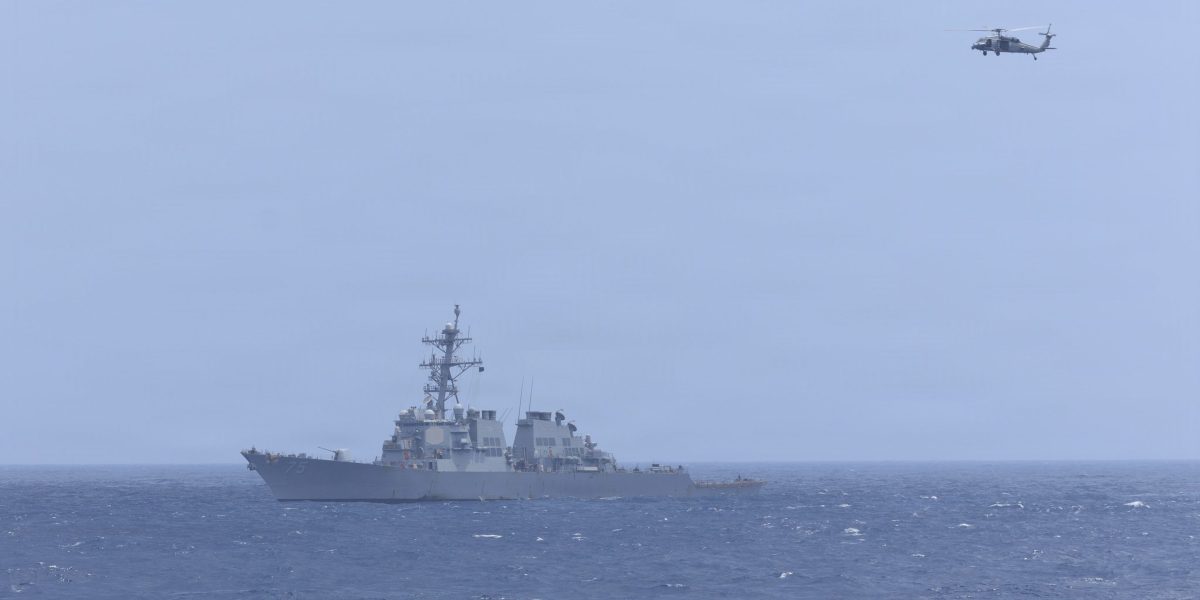
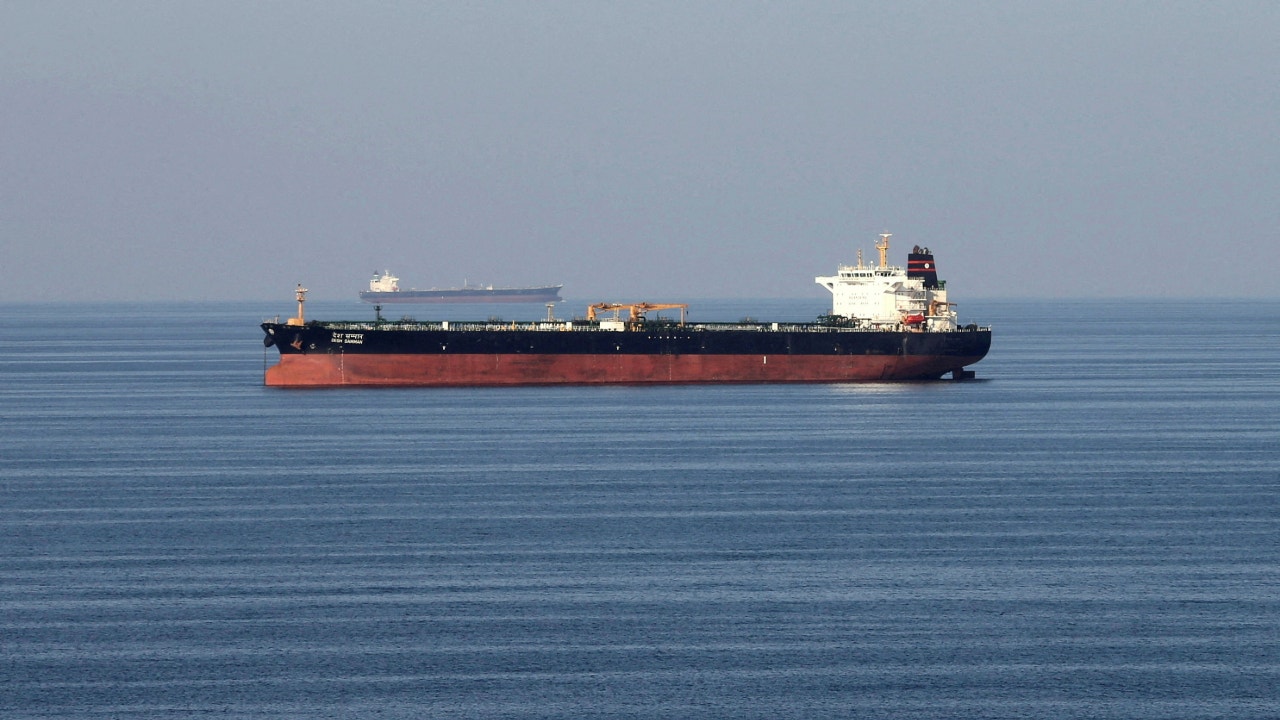
According to the Institute for the Study of War, three competing factions within Iran's regime clashed over the shape of talks with the United States on the Strait of Hormuz, while the United States kept a naval blockade in place and commercial shipping remained fragmented. The Guardian reported that President Donald Trump warned the United States would resume intensive military strikes on Iran unless diplomatic talks quickly produced a resolution. DW reported that Iran's foreign ministry said Tehran had not requested renewed negotiations and that the strait stayed closed. The New York Post said an oil tanker exploded after hitting a sea mine and that the Revolutionary Guard forced six ships to turn back after they attempted an unauthorized crossing. 19FortyFive noted that the United States carried out its eleventh night of airstrikes against Iranian targets as Yemen's Houthi rebels announced a naval blockade, causing a sharp decline in vessel traffic through the Strait of Hormuz and the Bab el-Mandeb. Fortune quoted analysts who said the Trump administration faced a dilemma between escalating military action or accepting Iranian control of the strait, a move that could keep oil prices elevated. CNBC said maritime-risk experts warned that security for oil tankers had sharply deteriorated, prompting crews to avoid transits. The New York Post reported that seafarers rejected a U. S. safe-passage offer, while most vessels continued to use routes approved by Iran or other channels. BBC said U. S. forces disabled an unladen tanker heading toward Iran's Kharg Island after reinstating a naval blockade on Iranian ports. NPR reported that Iran's Revolutionary Guard warned it could shut regional oil export passages in response to the renewed U. S. naval blockade, and that President Donald Trump cancelled the proposed 20% cargo fee but kept the blockade in place. CNBC noted that industry leaders warned a 20% levy would likely deter vessel traffic. Yahoo Finance said U. S.
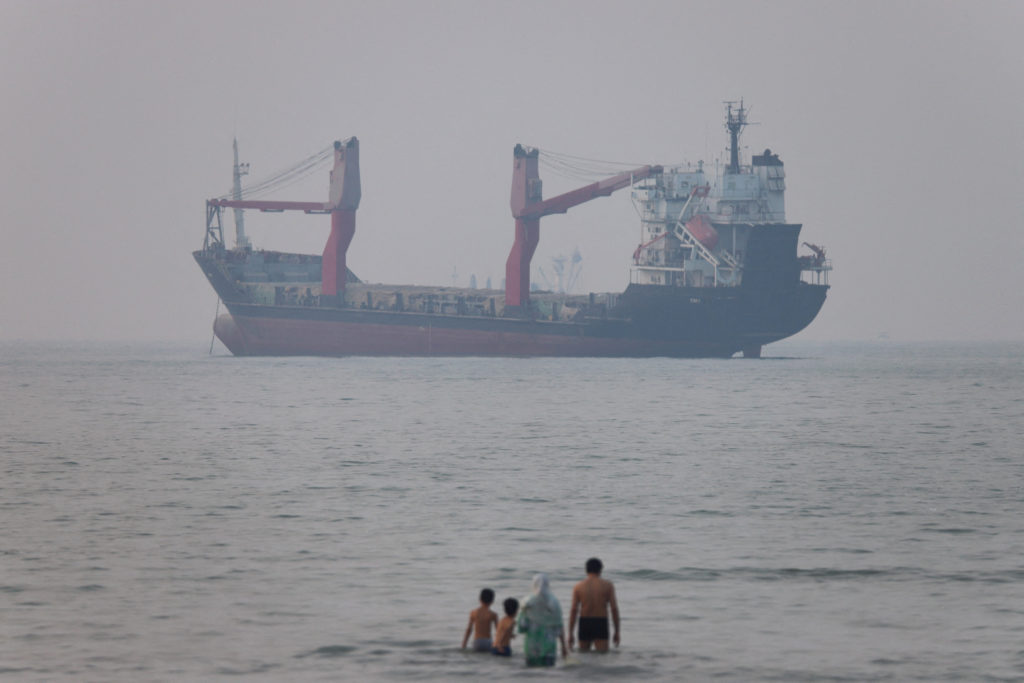
Central Command announced a renewed blockade of the strait effective July 14 together with a proposed 20% cargo charge, sending Brent crude futures up more than 9%. Earlier, after a U. S. –Iran memorandum of understanding, CNBC said experts warned that clearing the backlog of vessels in the strait could take weeks. The New York Times reported that about 25 ships began cautious transits after the preliminary agreement, though traffic remained far below pre-war levels. U. S. Central Command later said 55 merchant vessels, carrying over 17 million barrels of oil, safely passed on June 20. CNBC noted a sharp decline in traffic after Iran announced the waterway was closed. AP News said ship movements rose again under an interim deal, but disputes over tolls persisted. Fox Business reported that rising tanker traffic helped lower global crude prices. CNBC and AP News reported that Iran's Revolutionary Guard warned shipowners against unauthorized routes, prompting some tankers to use a newly promoted Omani coastal lane, while NBC News said a handful of tankers used a UN-recommended route skirting Omani waters. Fortune said Iran launched new strikes on Kuwait and Bahrain and threatened to halt peace talks, prompting the United States to increase naval escort operations. CNN said both sides agreed to pause hostilities while operators navigated three competing routes. The New York Times later noted that traffic rose after a weekend slowdown linked to recent hostilities. AP News and PBS reported that a foreign container ship ran aground after deviating from an Iran-approved route. AP News said Iran threatened a forceful response to tankers that ignored designated routes. CNBC said the United Kingdom and France agreed with Oman to deploy mine-countermeasure vessels and support freedom of navigation. Al Jazeera reported that shipping dropped sharply as the United States and Iran resumed hostilities, and the New York Times said shipping firms paused transits amid the renewed clashes.