US-Iran missile exchange hits Kuwait as Trump vows hard attack and Kharg Island seizure


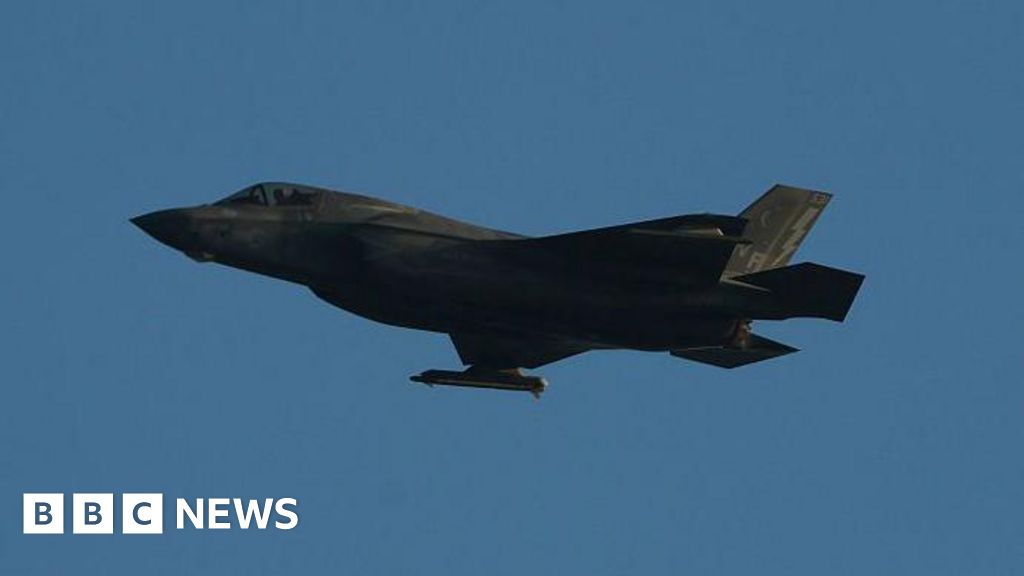
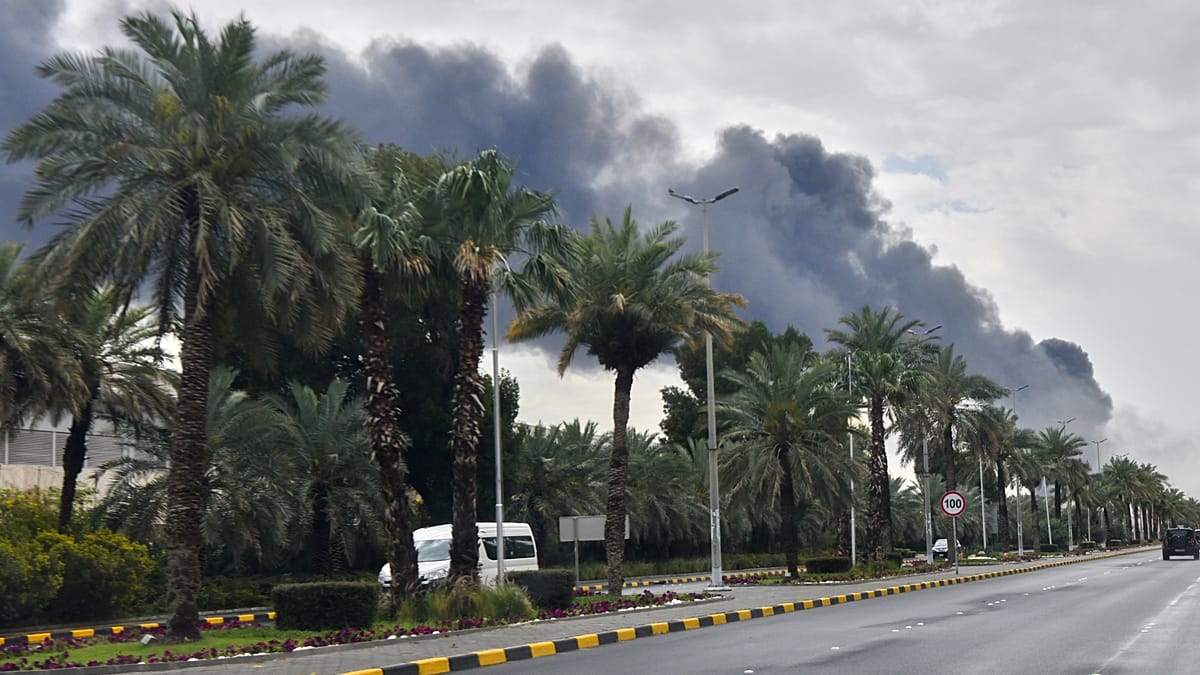
The United States and Iran exchanged missile and drone strikes that hit Kuwait, sparking a cascade of retaliatory attacks across the Gulf region. AP reported that Kuwait confirmed a missile and drone assault amid heightened tensions. The Guardian noted that Kuwaiti air defenses intercepted the attacks as U. S. Central Command announced strikes on Iranian radar and command sites. DW added that the interceptions occurred while Israel conducted operations in Lebanon. Fox News said the incidents underscored rising U. S. -Iran tensions, citing the intercepted Iranian attacks on Kuwait. NPR reported that Iran fired missiles at Kuwait and Bahrain, which were intercepted or missed, prompting U. S. strikes on an Iranian facility. Euronews reported a drone attack damaged Kuwait International Airport, suspending flights and causing injuries. The New York Times recorded one death and numerous injuries from the strike. NPR later said U. S. forces shot down Iranian missiles and drones while striking radar sites. Al Jazeera relayed that Iran's IRGC claimed drone and missile attacks on U.
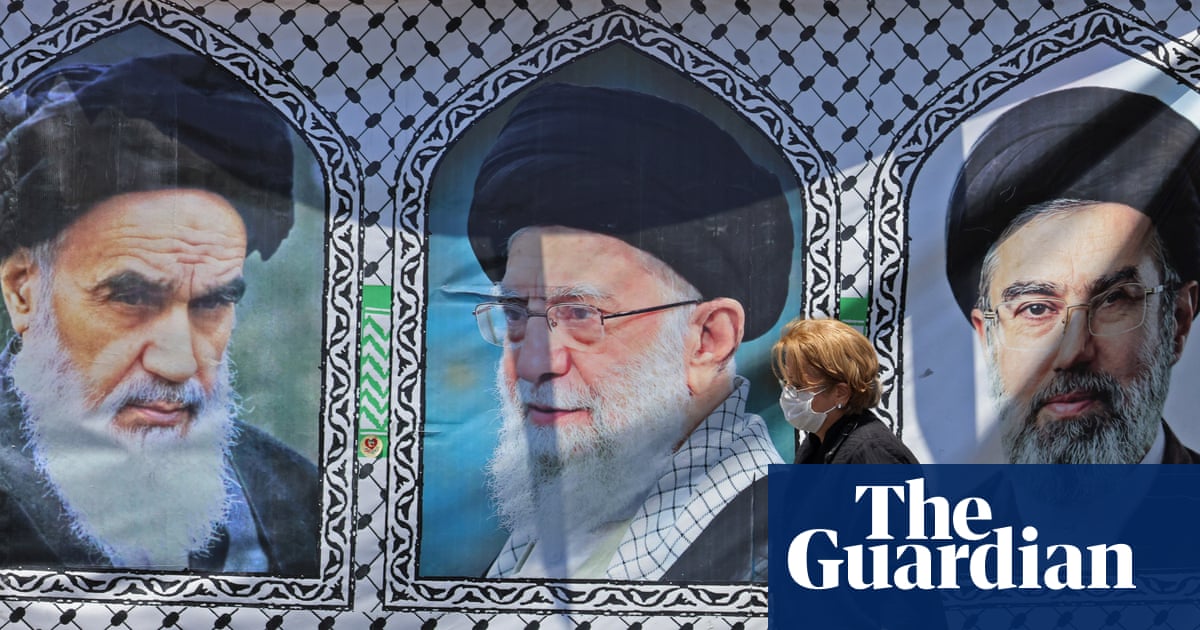
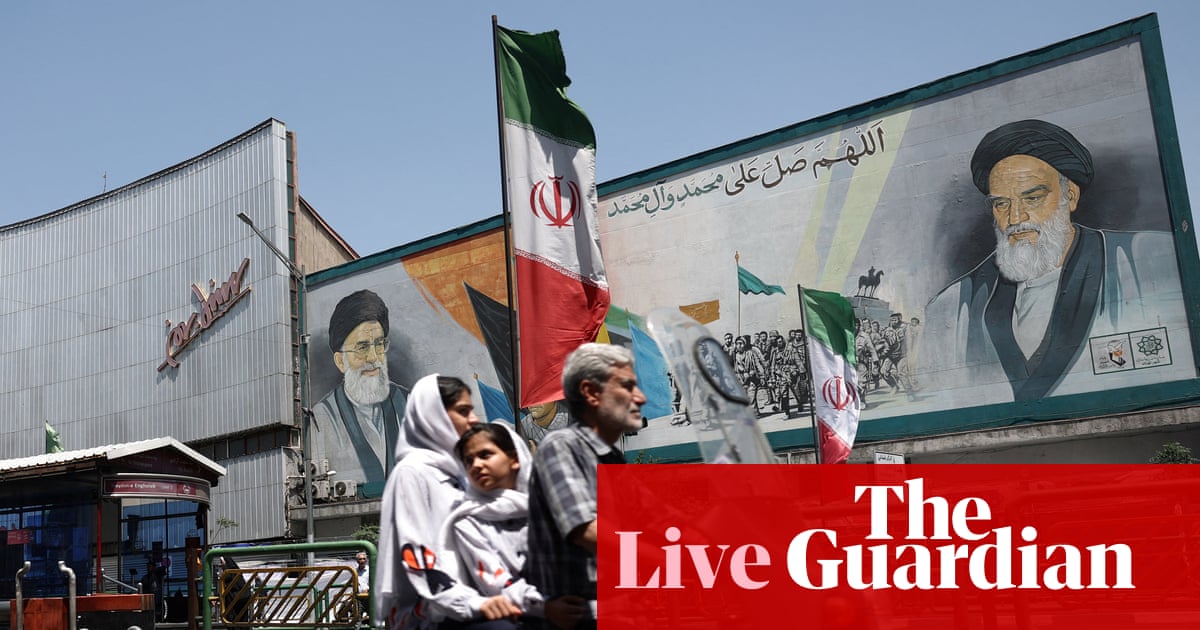
S. bases in Bahrain, Kuwait and Jordan. NPR reported a second wave of U. S. air strikes after an Apache helicopter was shot down near Hormuz. The Guardian said Iran launched missile strikes on a Jordanian airbase used by U. S. forces, as well as sites in Kuwait and Bahrain. The Guardian later noted Iran would reassess its participation in cease-fire negotiations. dw. com reported a second wave of U. S. attacks and said the ceasefire was effectively broken. The New York Times said both sides disputed the status of the ceasefire. NPR documented a second day of U. S. airstrikes and Iranian retaliation against Bahrain, Kuwait and Jordan. Later, President Donald Trump used his social platform to vow a "very hard" attack on Iran that night and claimed the United States would later seize the oil hub on Kharg Island, prompting Iranian officials to warn of escalating conflict and rising oil prices, according to The Guardian.