Trump Considers Military Action as US-Iran Ceasefire Talks Stall


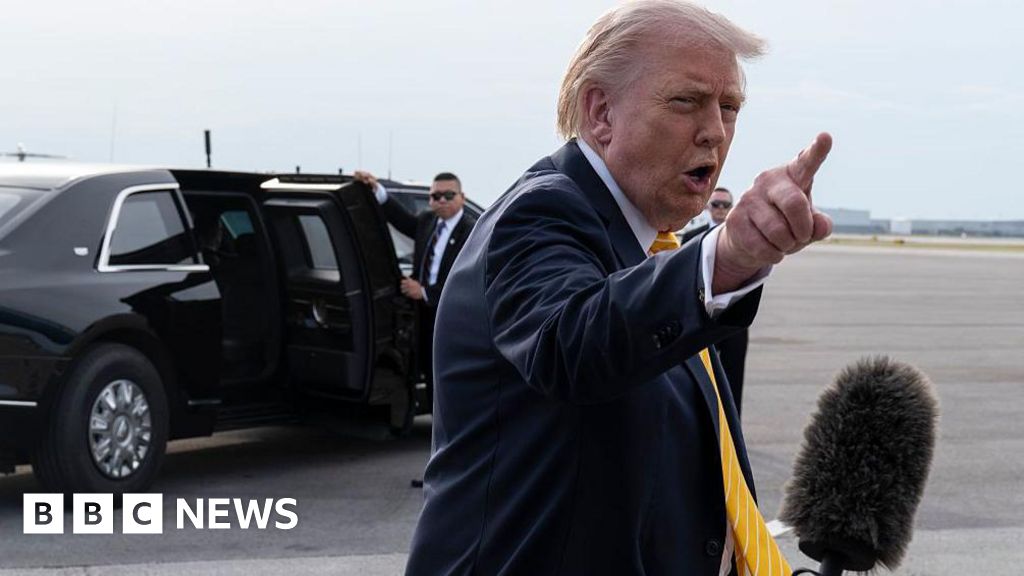
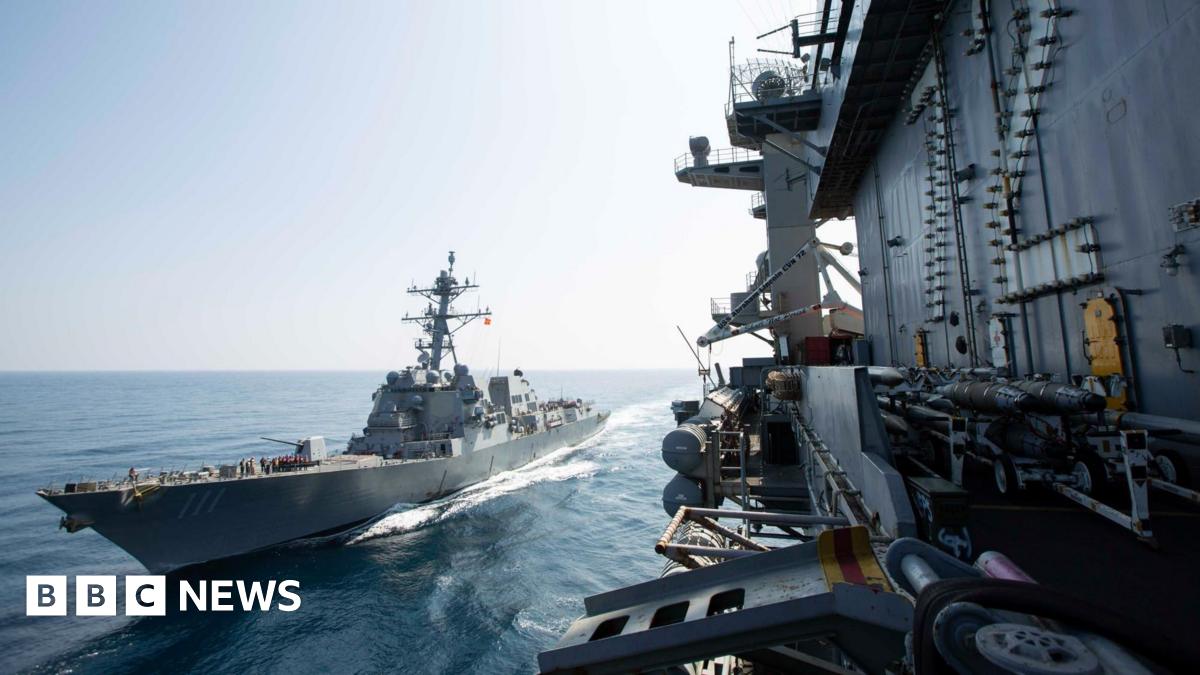
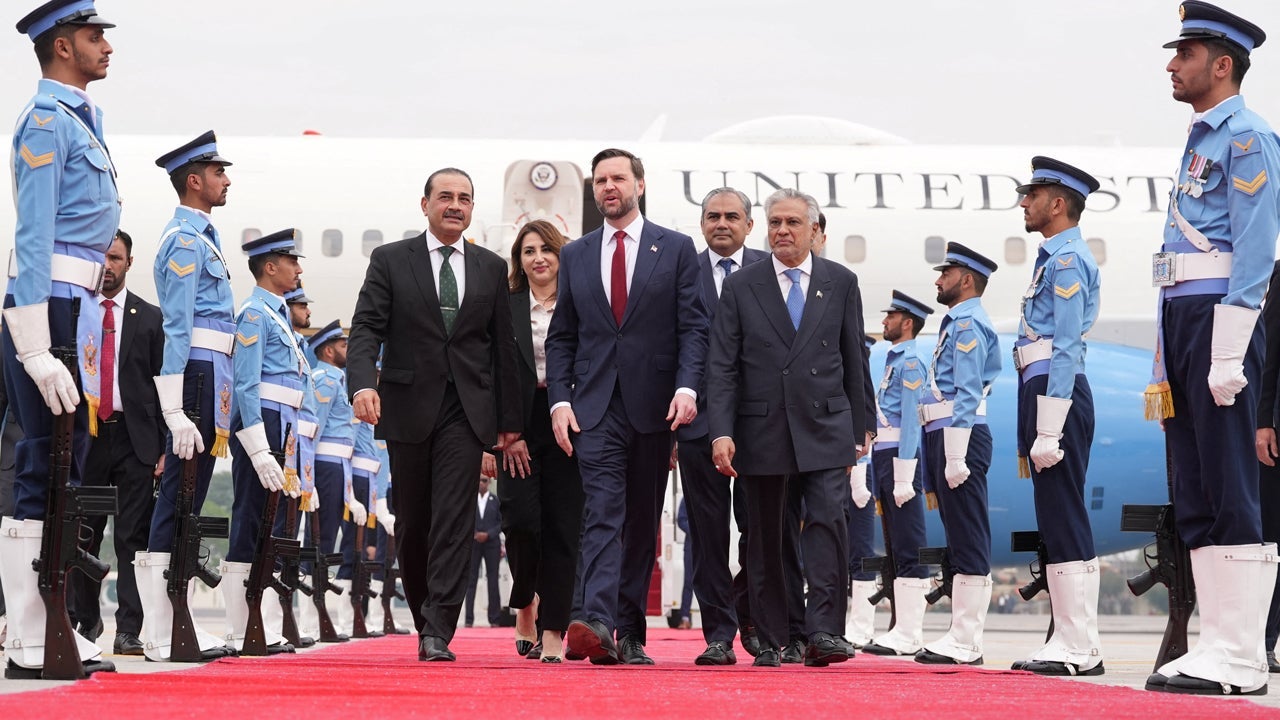
The United States and Iran engaged in high-level talks hosted by Pakistan in Islamabad to stabilize a fragile ceasefire and address ongoing regional tensions. These direct negotiations aimed to solidify the truce but ended without agreement after 21 hours, with disputes over the Strait of Hormuz and nuclear issues unresolved. Pakistan proposed hosting a second round of talks, and the U. S. offered Iran a 'grand bargain' to renounce nuclear weapons in exchange for economic benefits. Indirect talks followed to extend the ceasefire, but tensions escalated as Iran closed the Strait of Hormuz in response to a U. S. naval blockade. U. S. negotiators returned to Islamabad amid rising tensions, with President Trump warning of renewed bombings if the ceasefire expired.
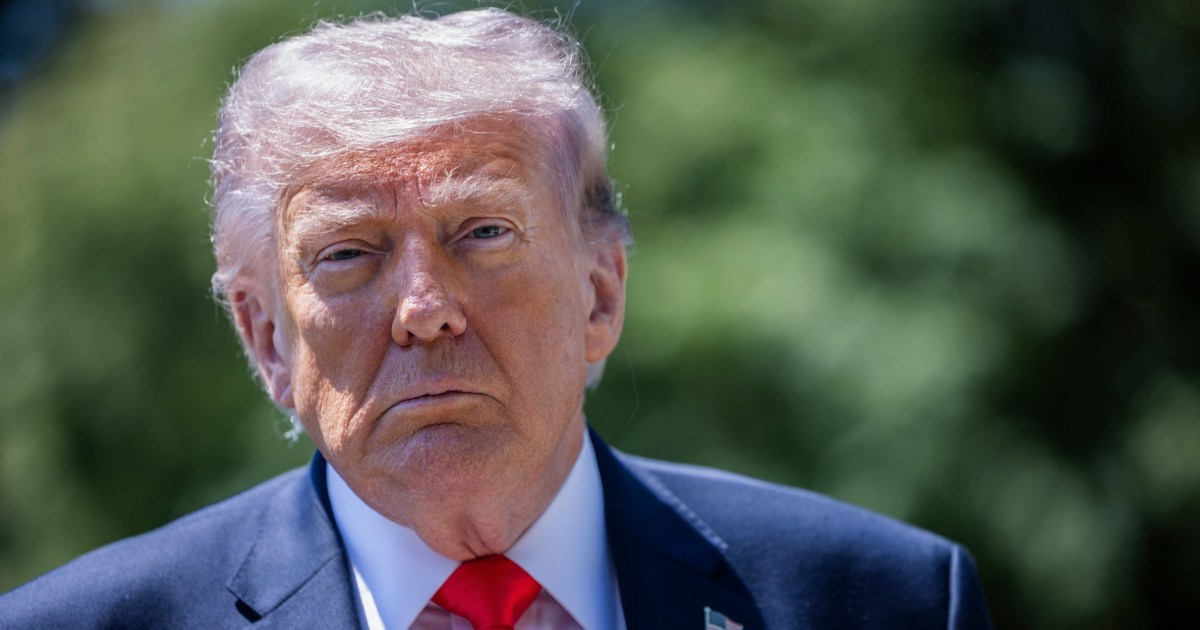
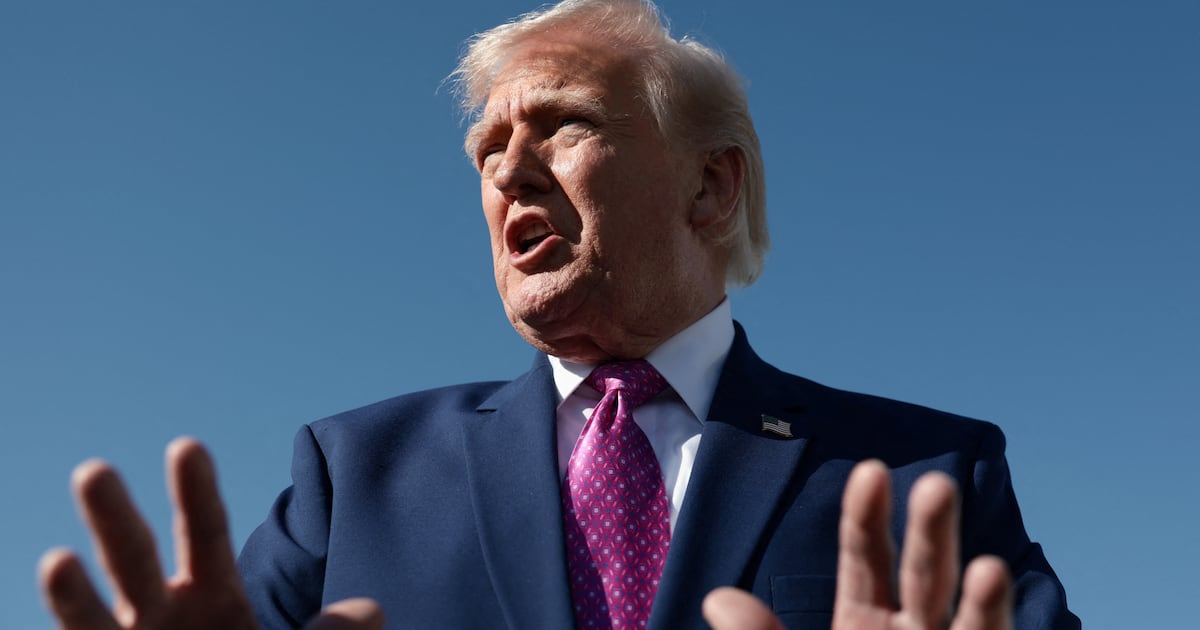
Despite indications from both sides of readiness to resume talks, Iran delayed sending its delegation, and negotiations remained uncertain as the ceasefire deadline approached. Trump extended the ceasefire indefinitely, citing internal Iranian divisions and Pakistani mediation, while U. S. envoys met Iranian officials to discuss the conflict. Efforts to revive ceasefire talks faltered amid diplomatic maneuvers and stalled negotiations. Iran proposed reopening the Strait of Hormuz without addressing nuclear concerns, which the U. S. rejected. President Trump convened a national security meeting to address the deadlock and dismissed Iran's latest peace proposal as unacceptable. He reviewed a 14-point Iranian peace plan with skepticism and warned of potential military action if Iran did not comply. The ceasefire ultimately faced jeopardy as diplomatic talks stalled, leading Trump to consider resuming combat operations against Iran.