Trump Indefinitely Extended US-Iran Ceasefire Amid Regional Tensions


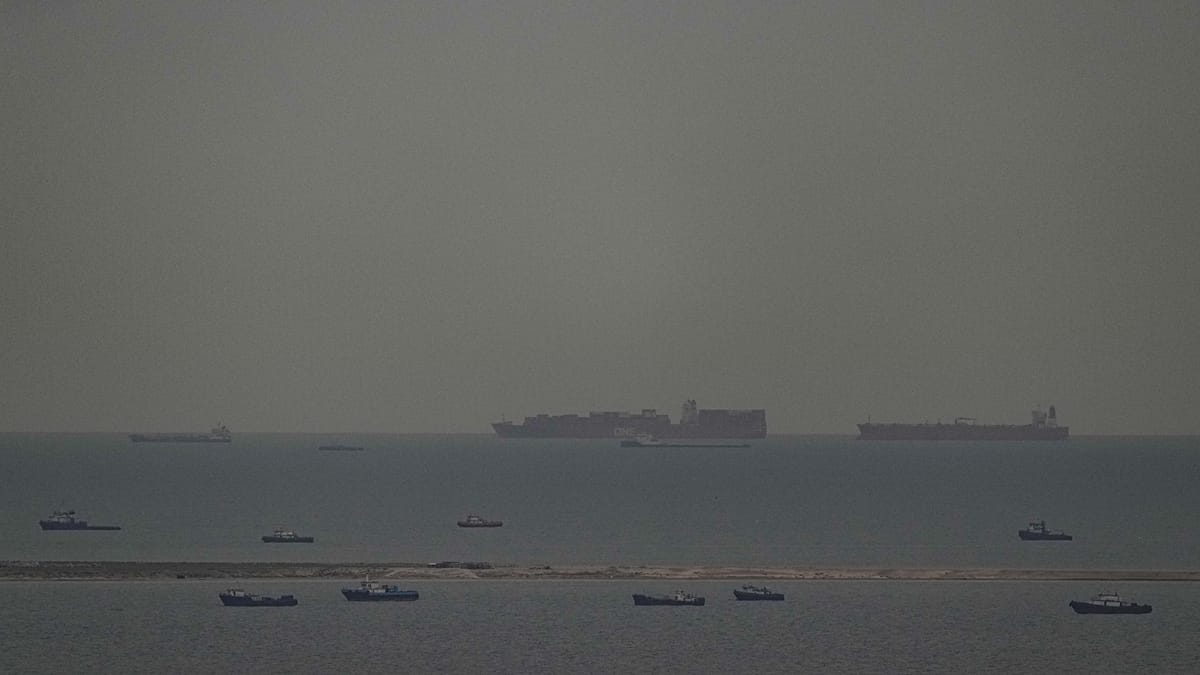
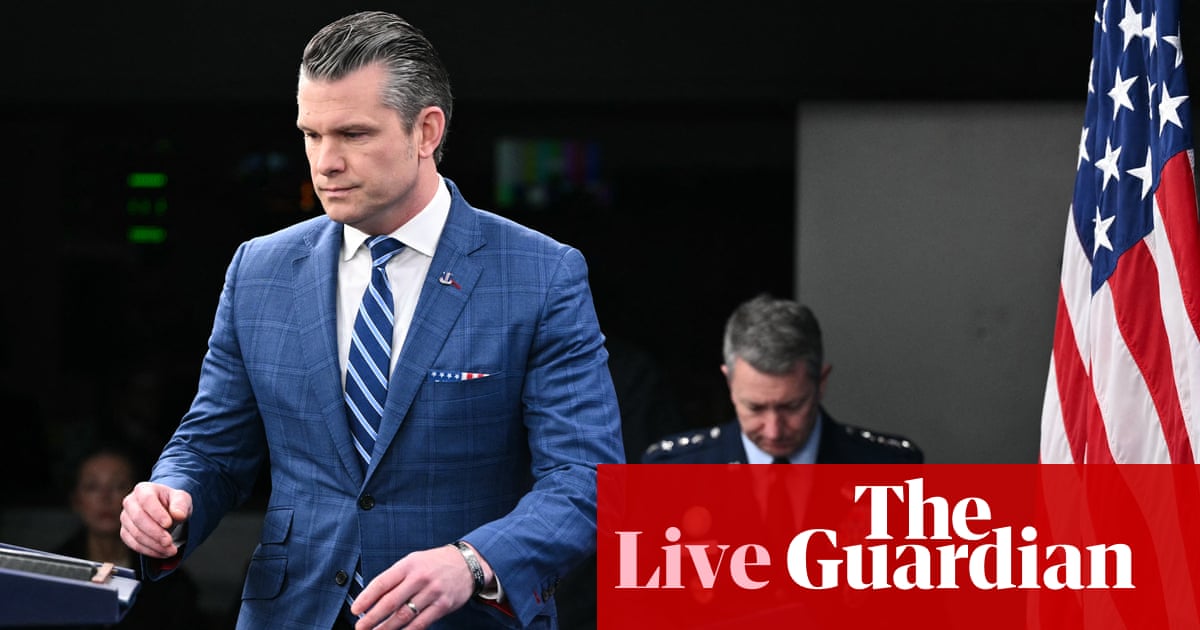
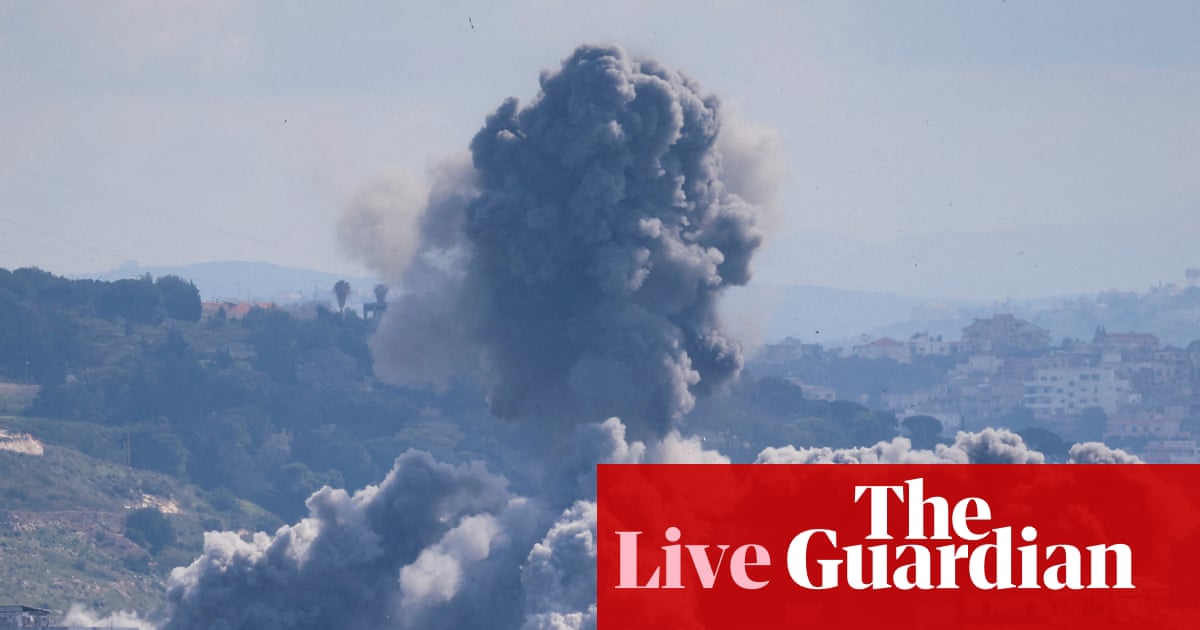
The conflict between the United States and Iran escalated with Iranian missile strikes on Haifa and subsequent casualties, prompting Pakistan to propose a two-phase ceasefire plan. Initial ceasefire proposals, including a 45-day plan, were rejected by Iran, which demanded a permanent end to hostilities. Eventually, a two-week ceasefire was agreed upon, mediated by Pakistan, aiming to reopen the Strait of Hormuz. However, the ceasefire faced immediate challenges as Israel conducted airstrikes in Lebanon and Iran closed the Strait of Hormuz, citing violations of the agreement. Tensions remained high with ongoing disputes over the ceasefire terms and military actions in the region. High-level talks in Islamabad between U.
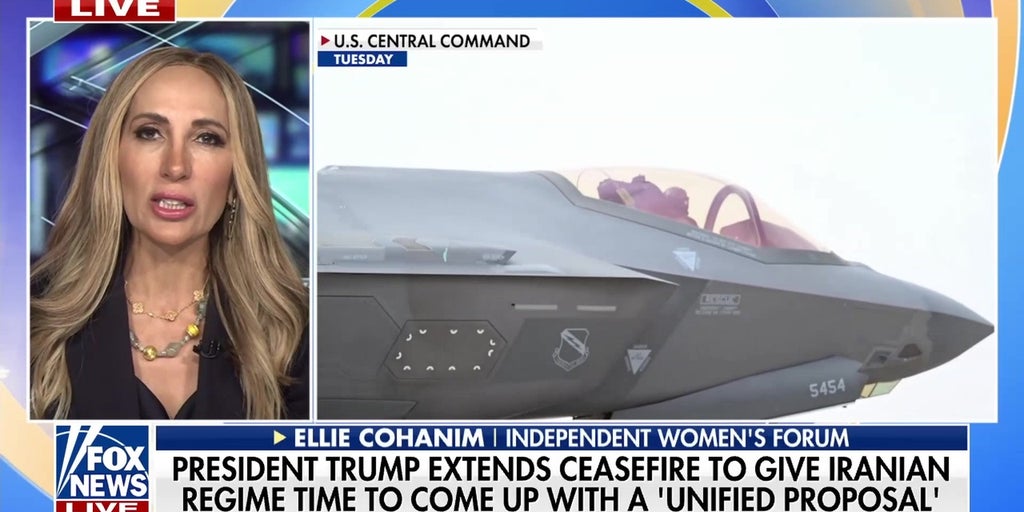
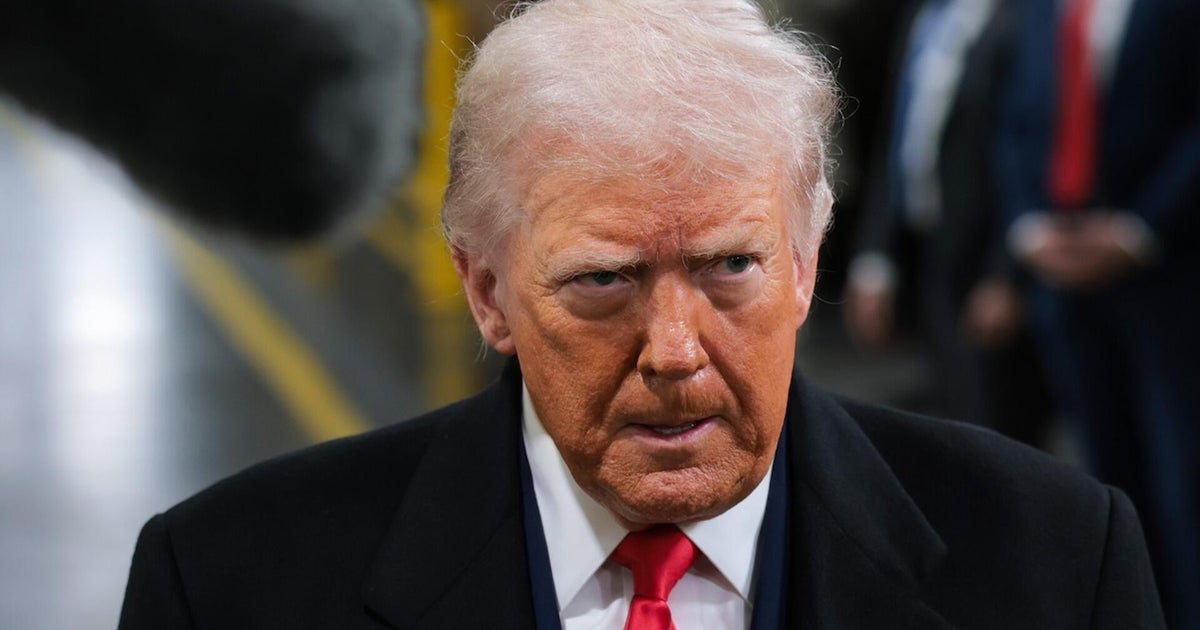
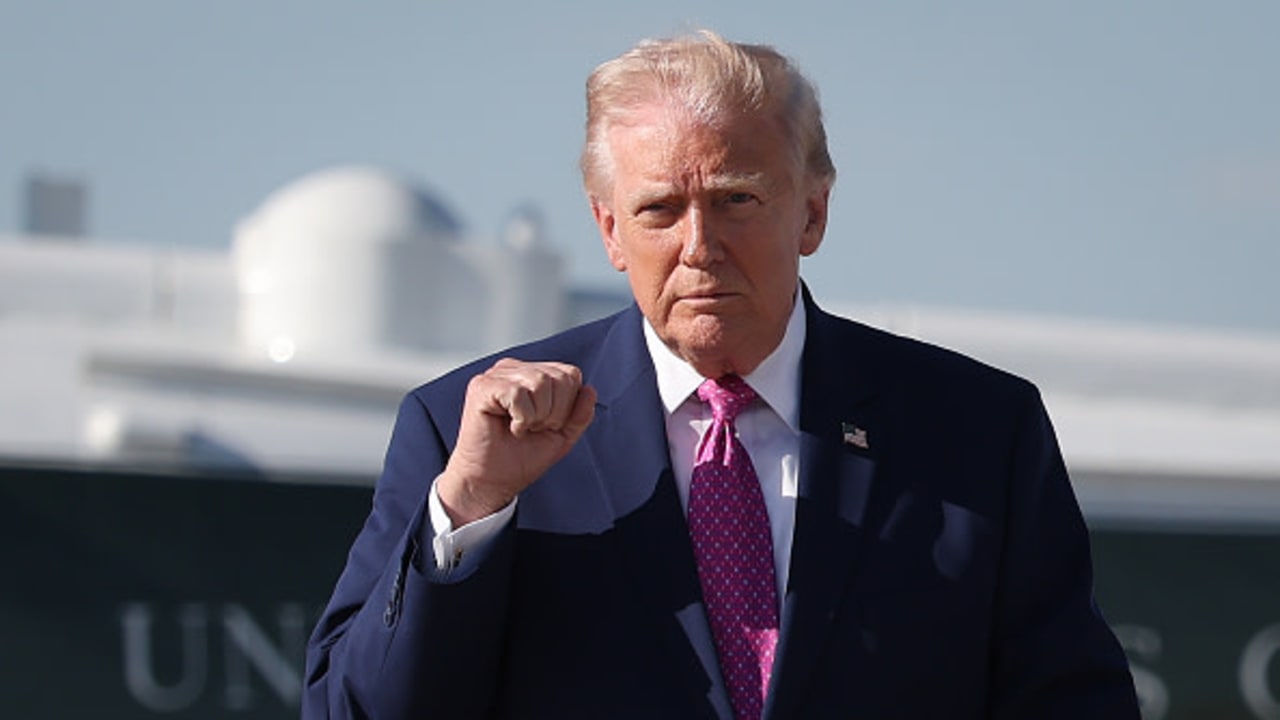
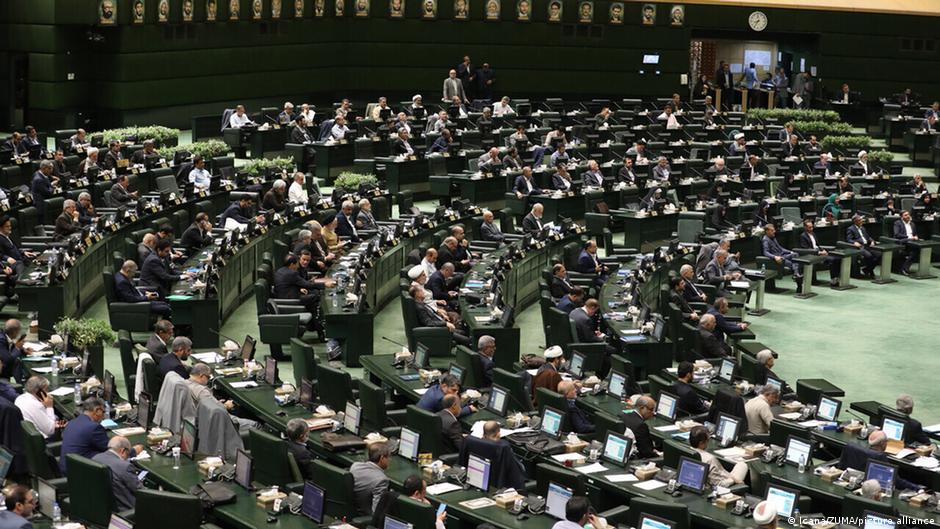
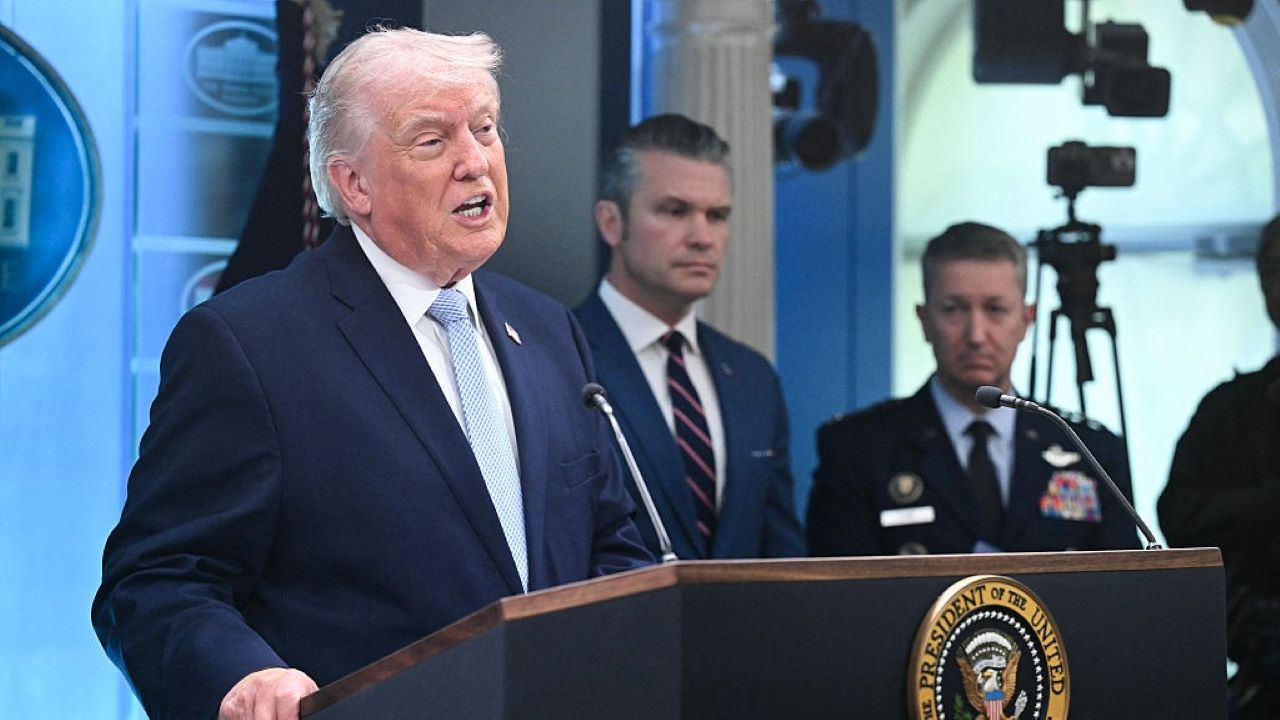
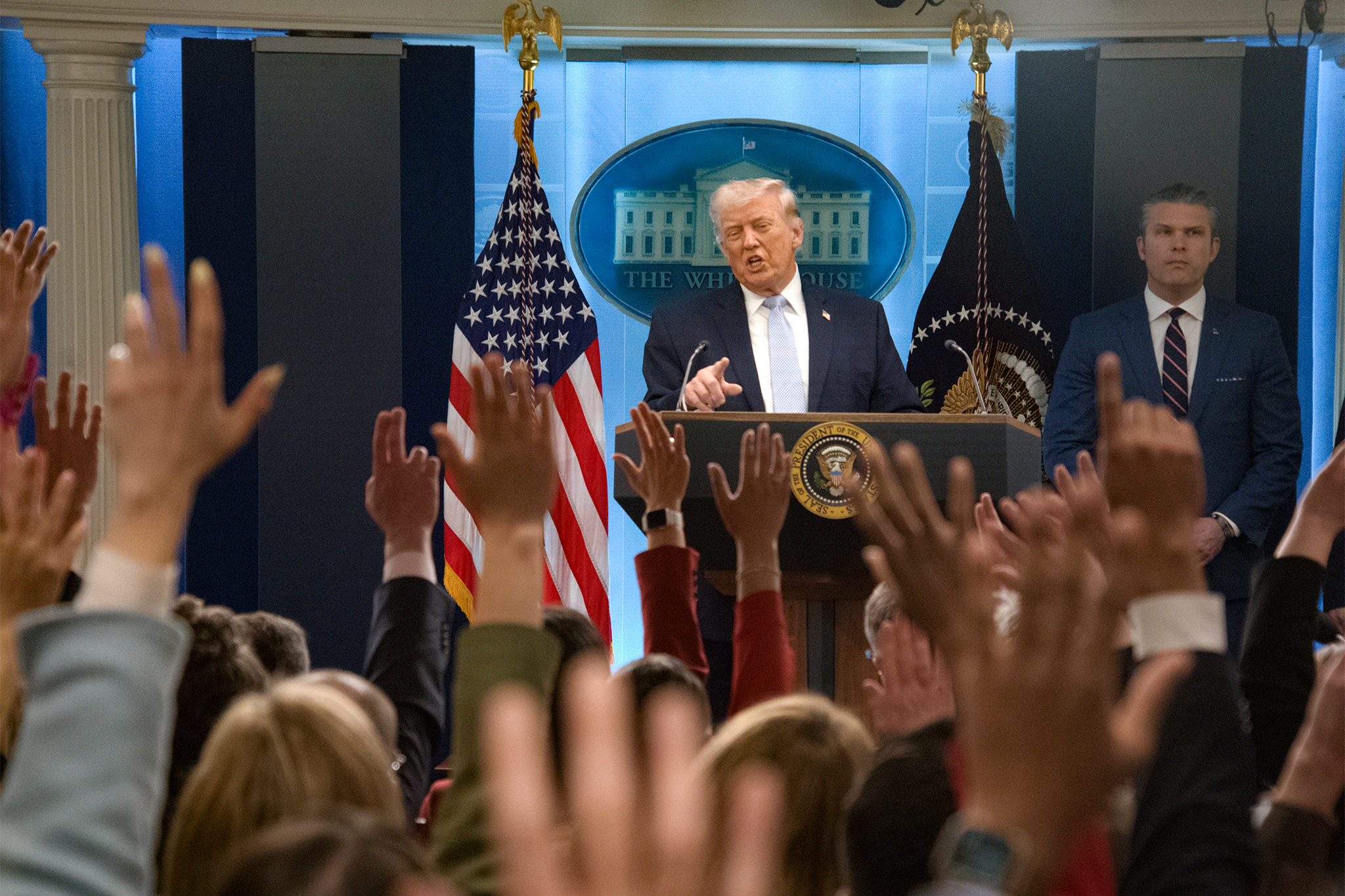
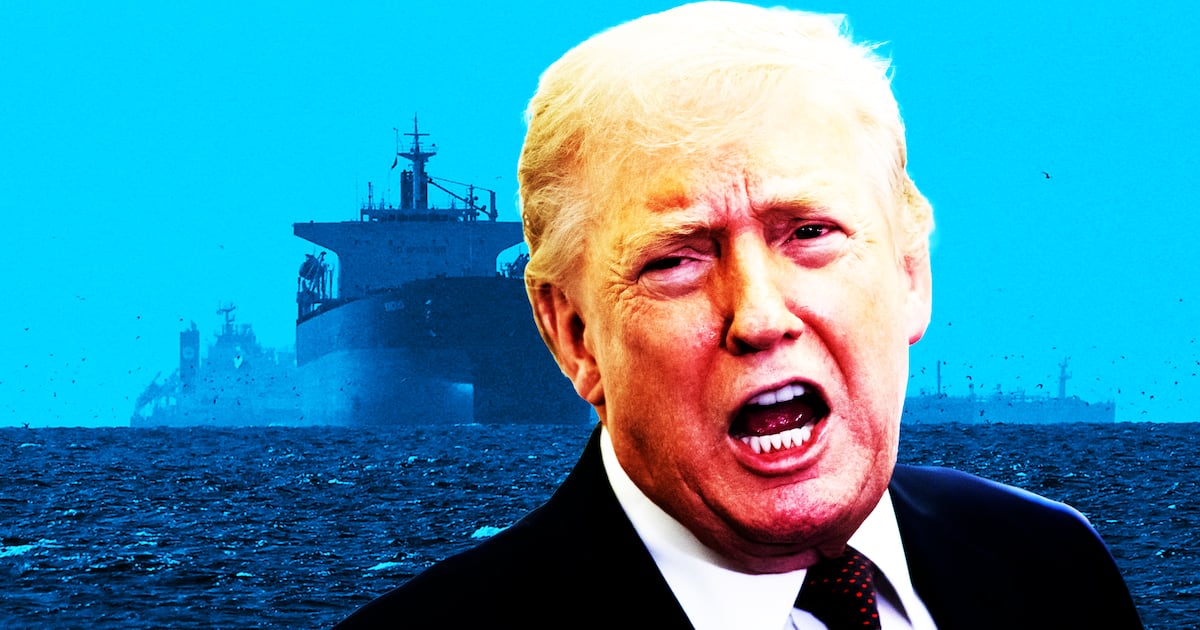
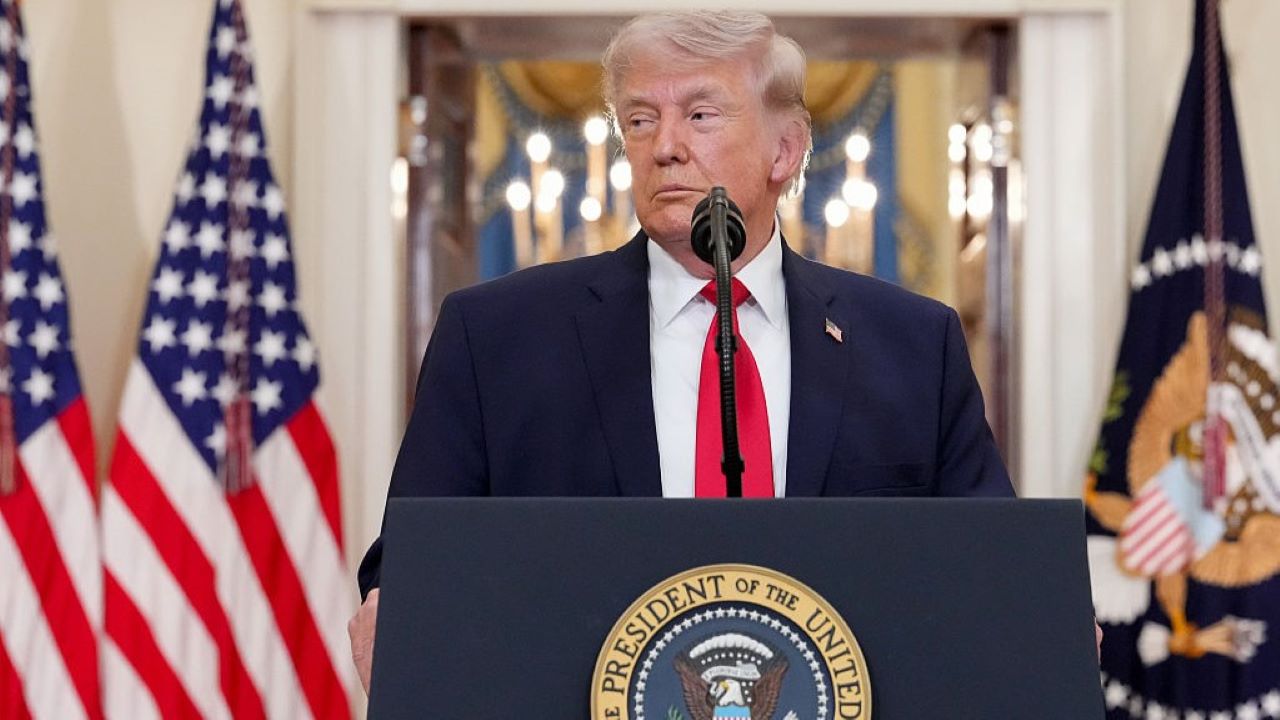
S. and Iranian officials failed to produce an agreement after 21 hours, leading President Trump to order a naval blockade of the Strait of Hormuz. Despite this, mediators worked to extend the ceasefire amid internal divisions within the Iranian government. President Trump ultimately extended the ceasefire indefinitely, citing the need for Iran to present a unified proposal and at the request of Pakistani mediators. The ceasefire extension occurred while the blockade of the Strait of Hormuz continued, and broader regional conflicts, including Israeli-Lebanese hostilities, persisted.