US-Iran Tensions Impact Strait of Hormuz Control and Shipping


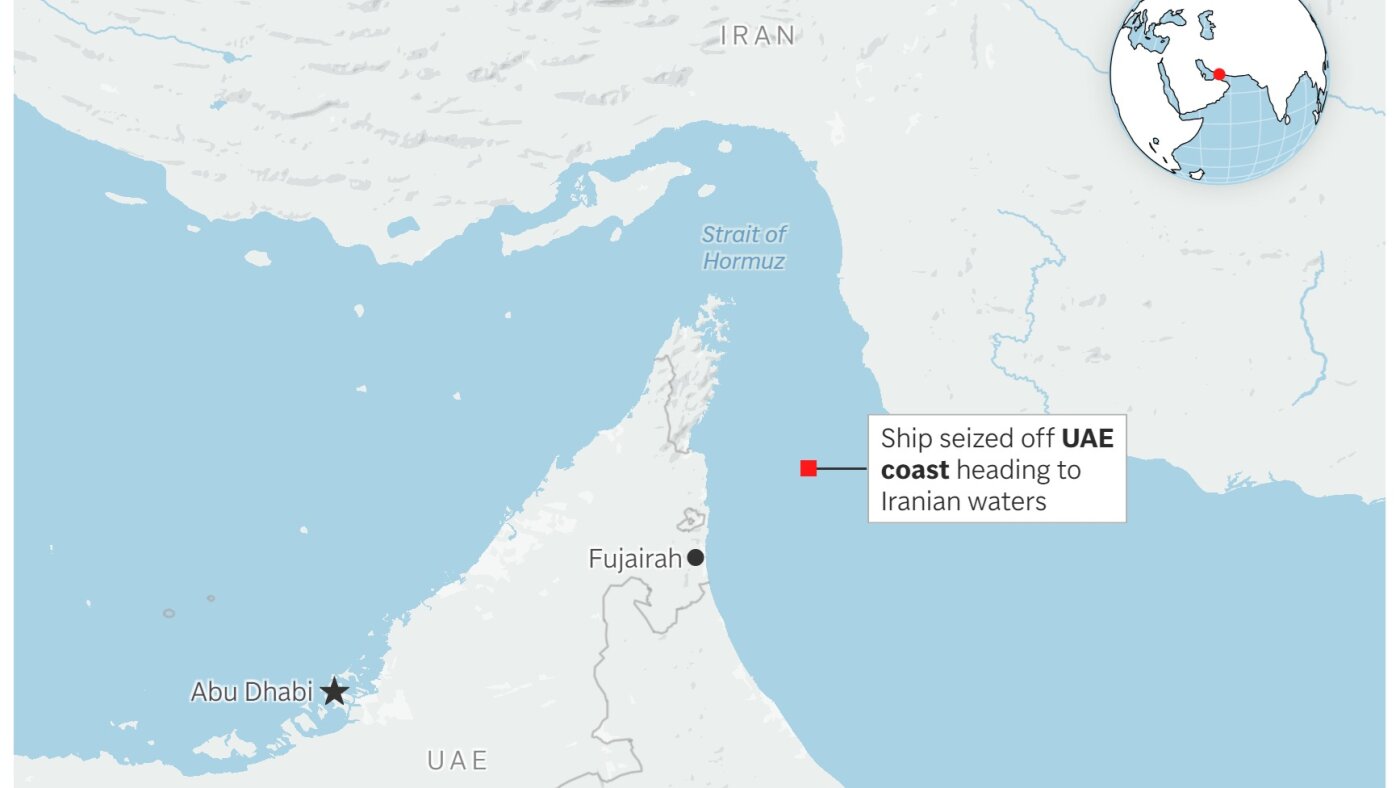
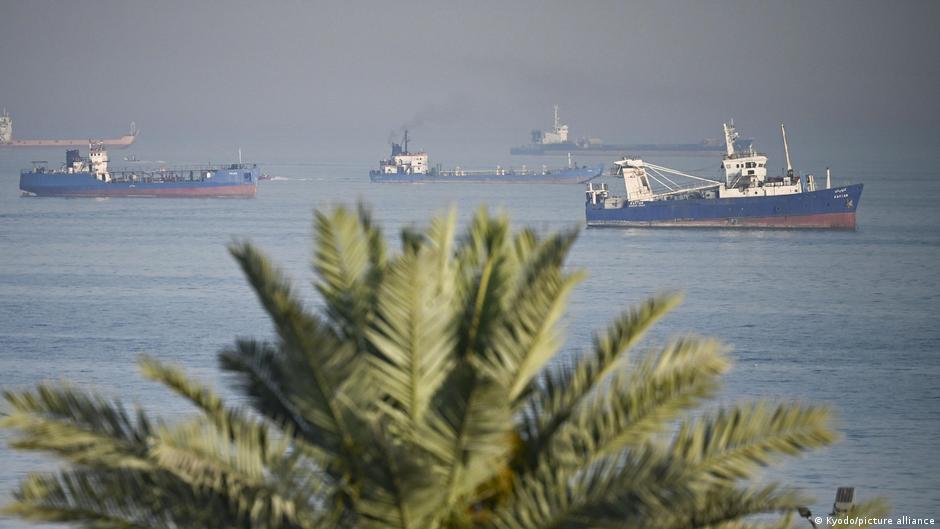
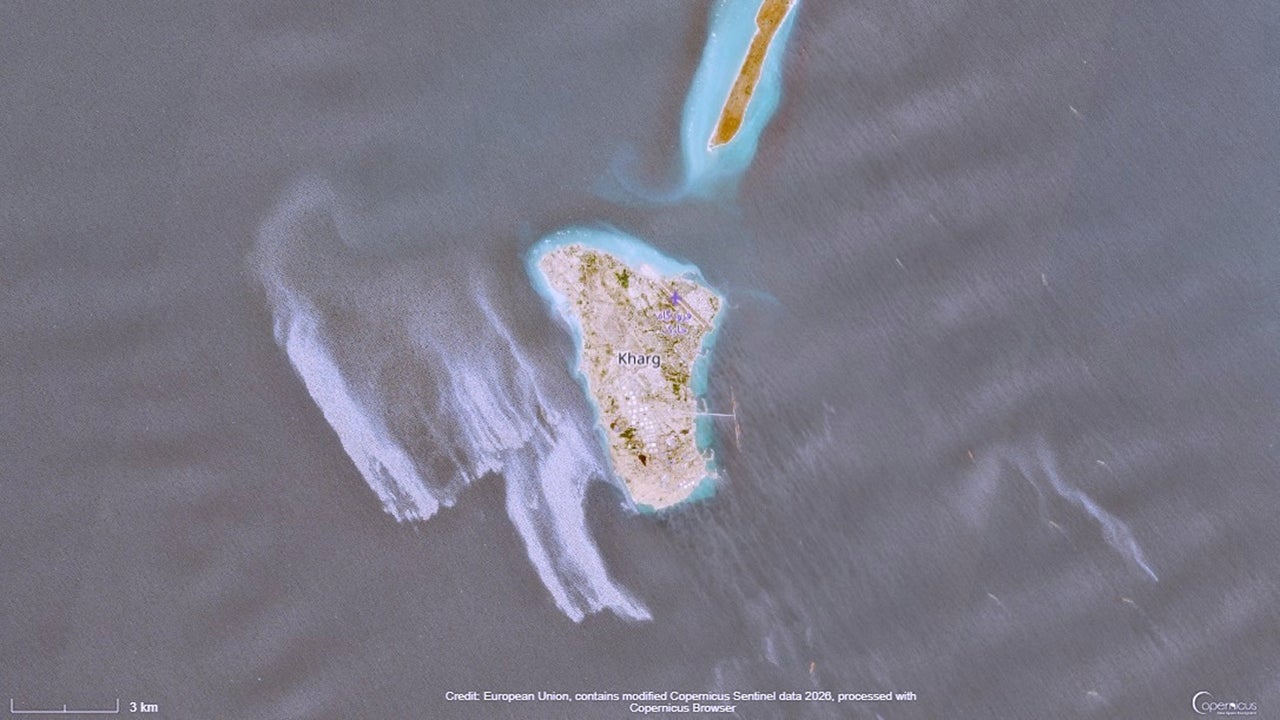
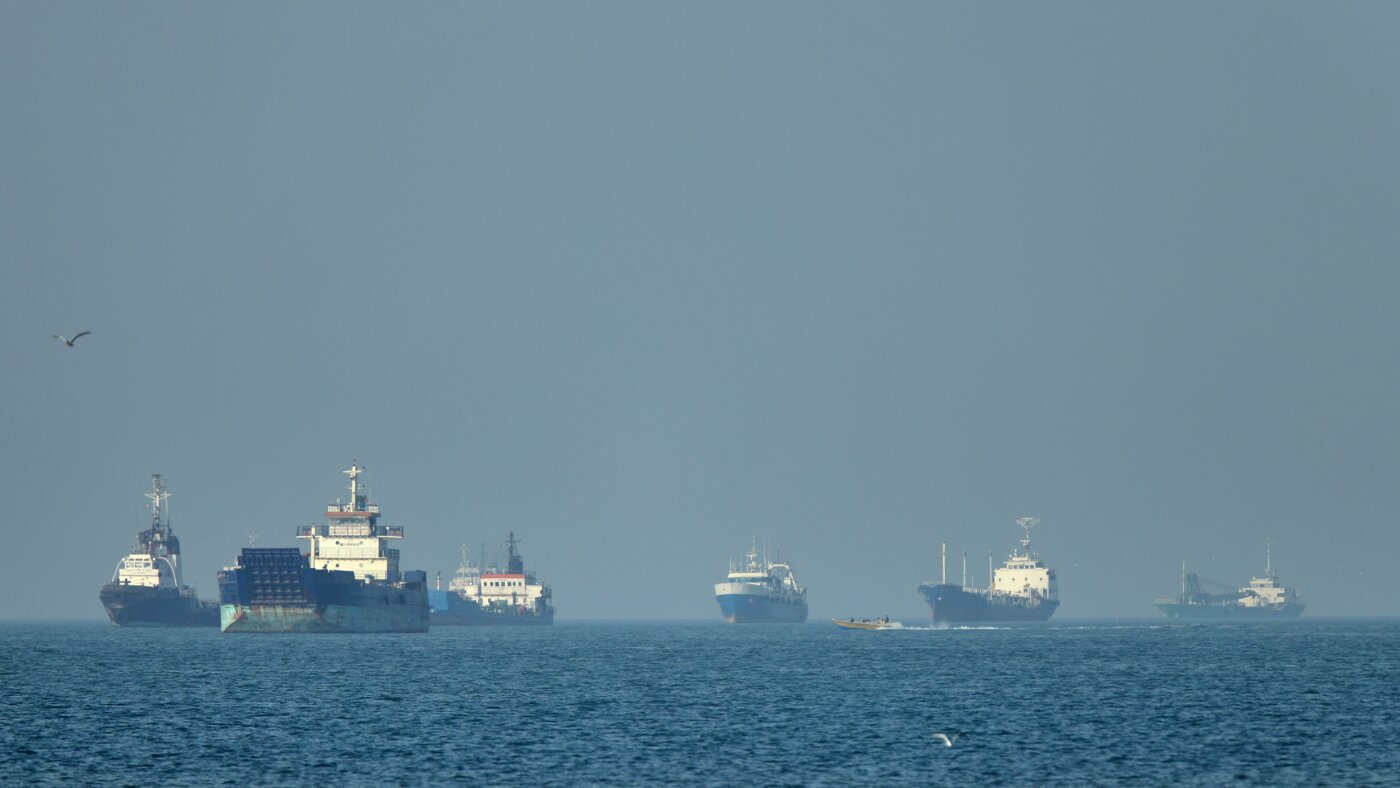
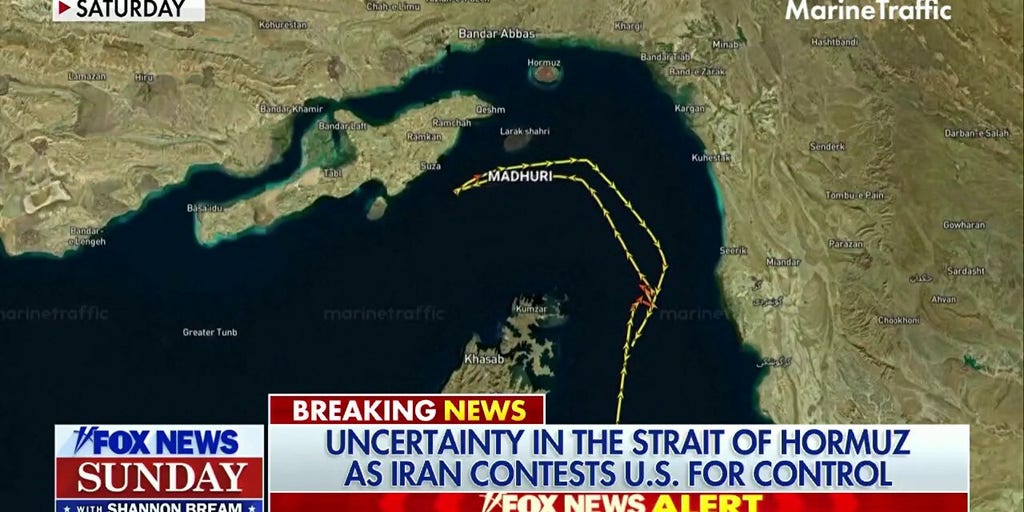
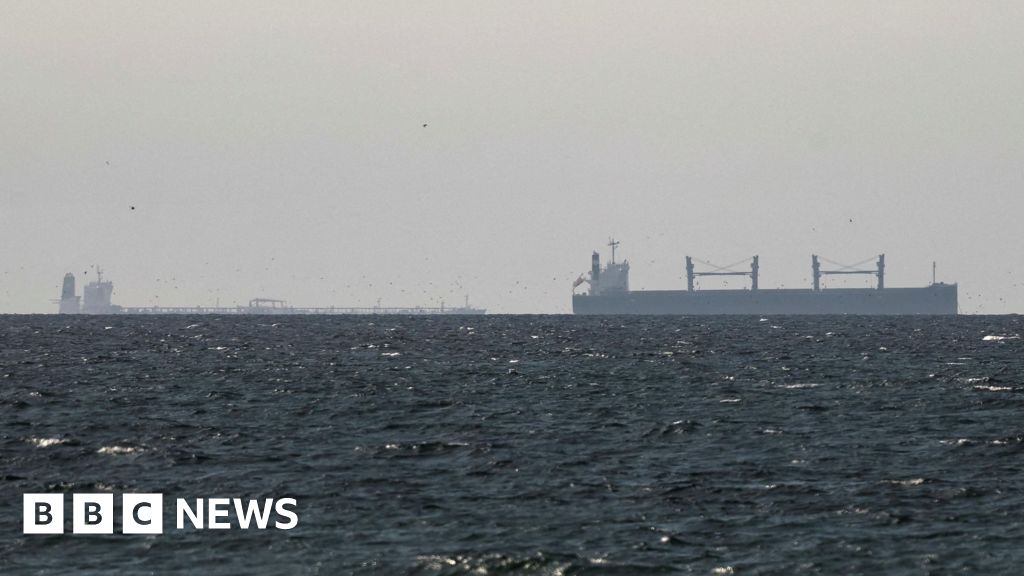
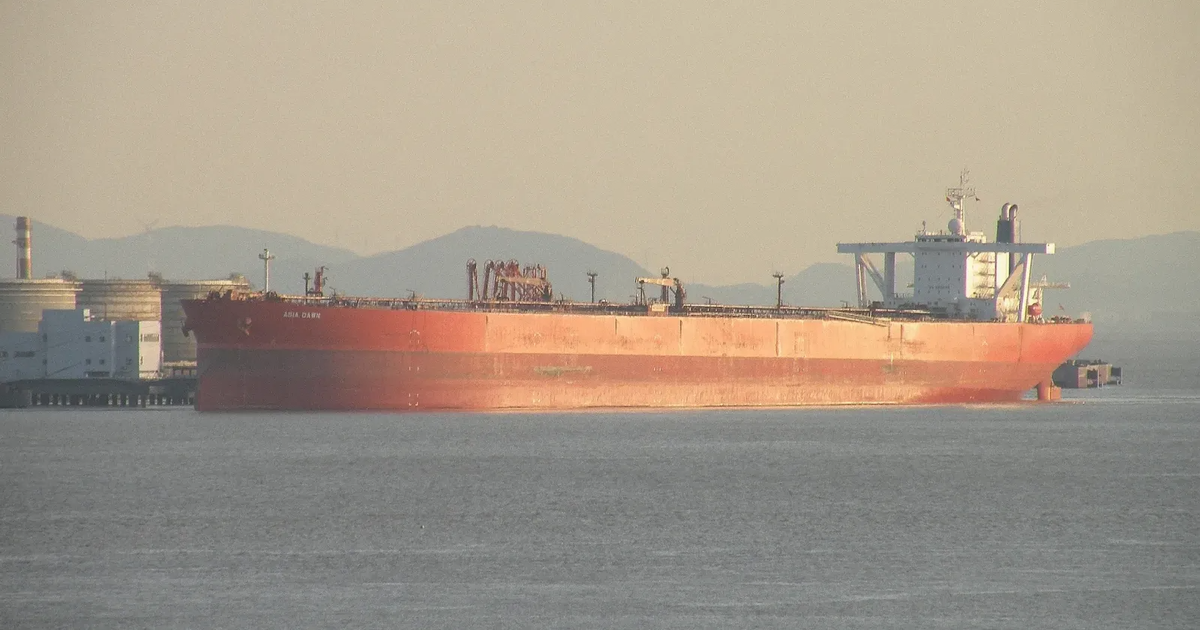
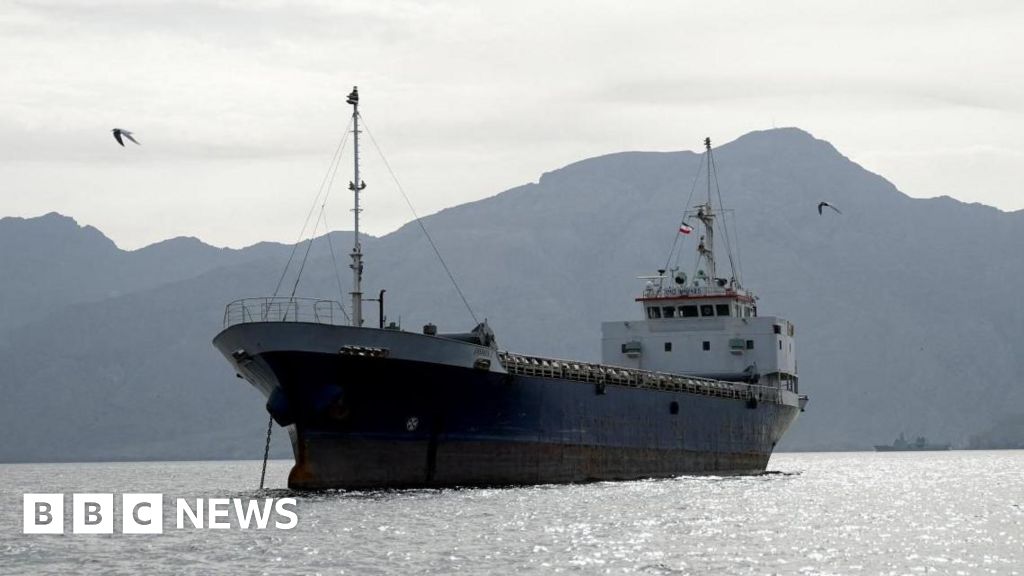
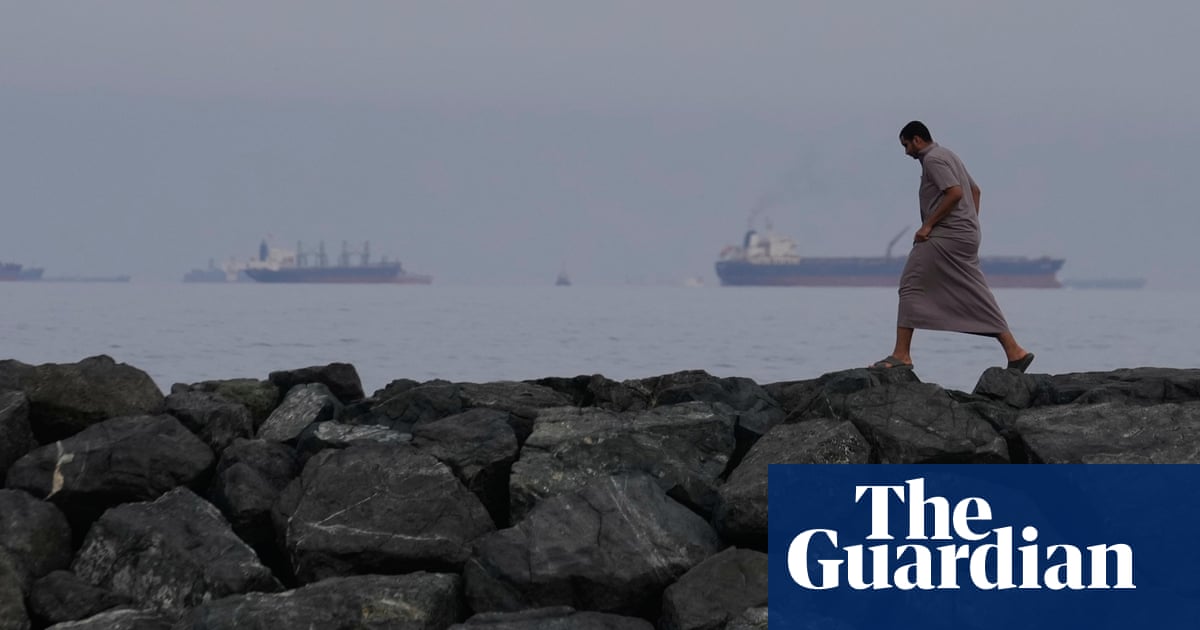
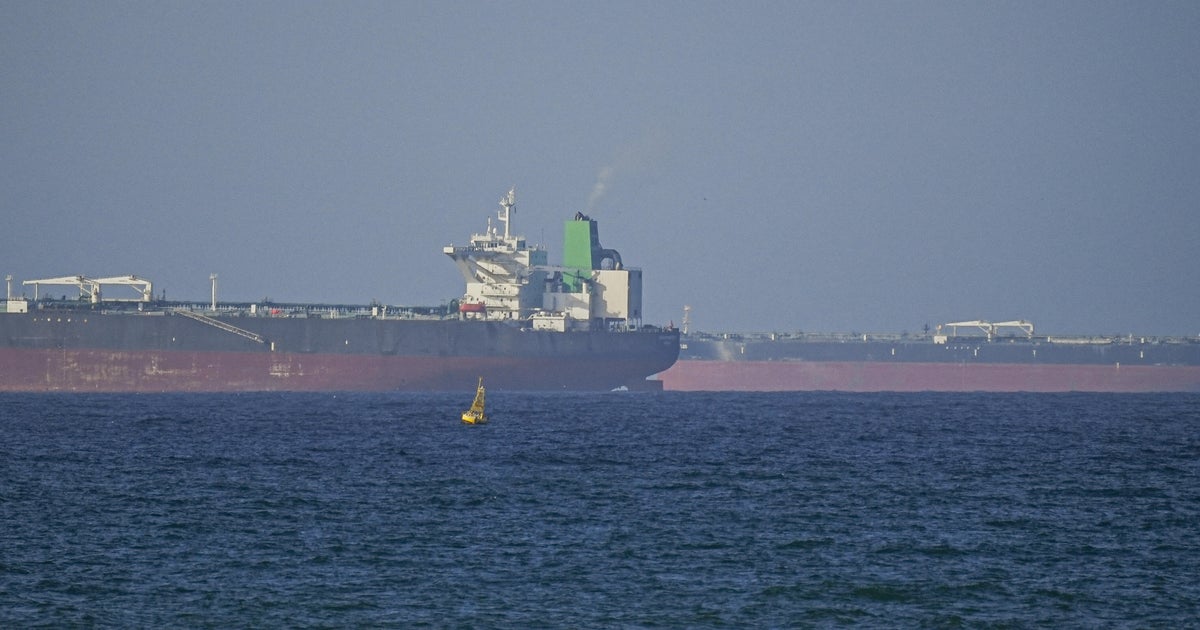
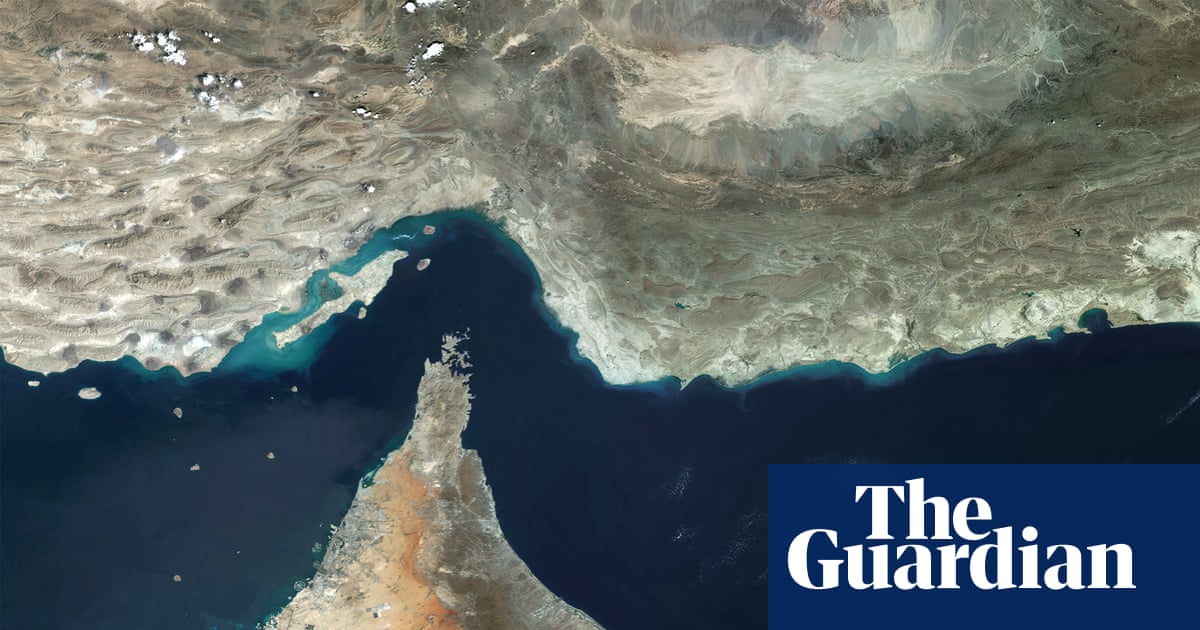
Iran notified the United Nations that non-hostile vessels could transit the Strait of Hormuz if they coordinated with Iranian authorities, amid rising regional tensions. Iran later specified that ships not affiliated with the United States or Israel were permitted passage, though shipping activity remained minimal due to security concerns. Iran considered imposing tolls on vessels transiting the strait, sparking international debate and rejection from neighboring Oman and shipping companies. The escalating conflict led to increased maritime insurance costs and a deadlock in the UN Security Council over military action to reopen the waterway. Oman and Iran held talks to ensure safe passage through the strait, but tensions persisted as Iran reimposed closures and restrictions in response to a U. S. naval blockade ordered after failed peace negotiations. The U. S.
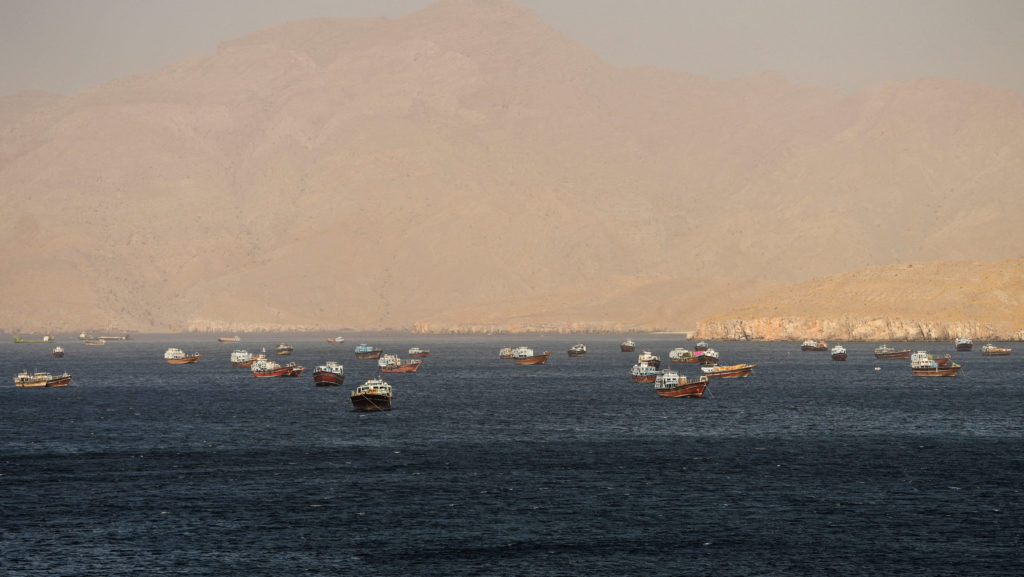
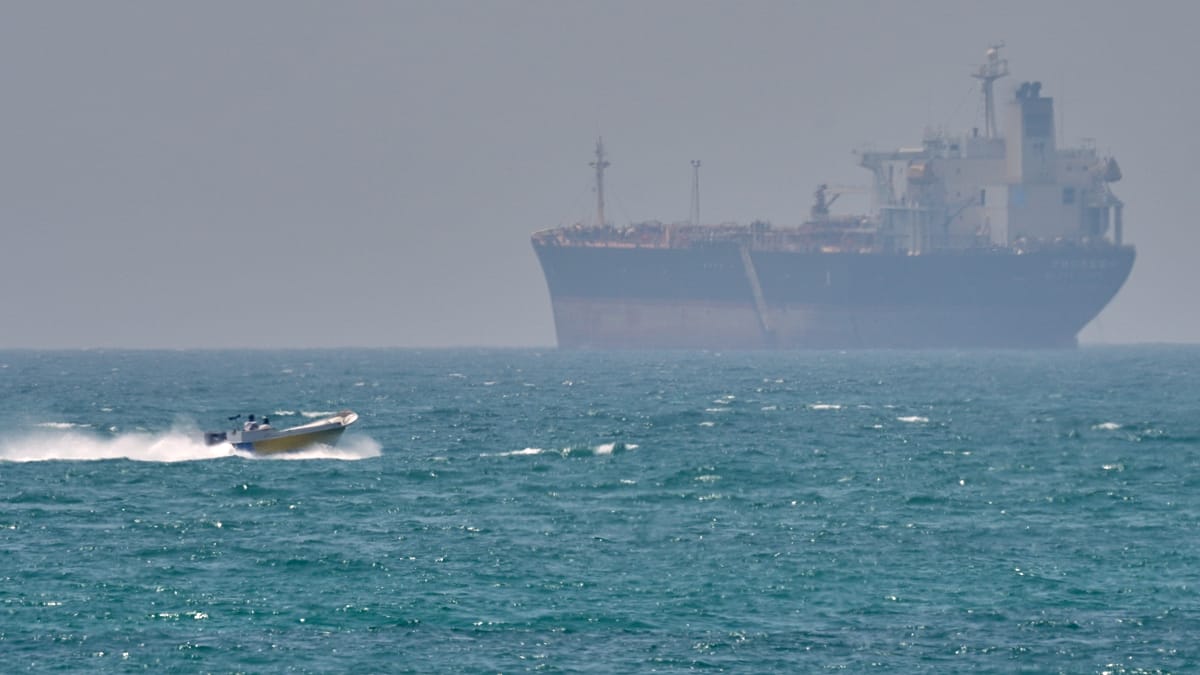
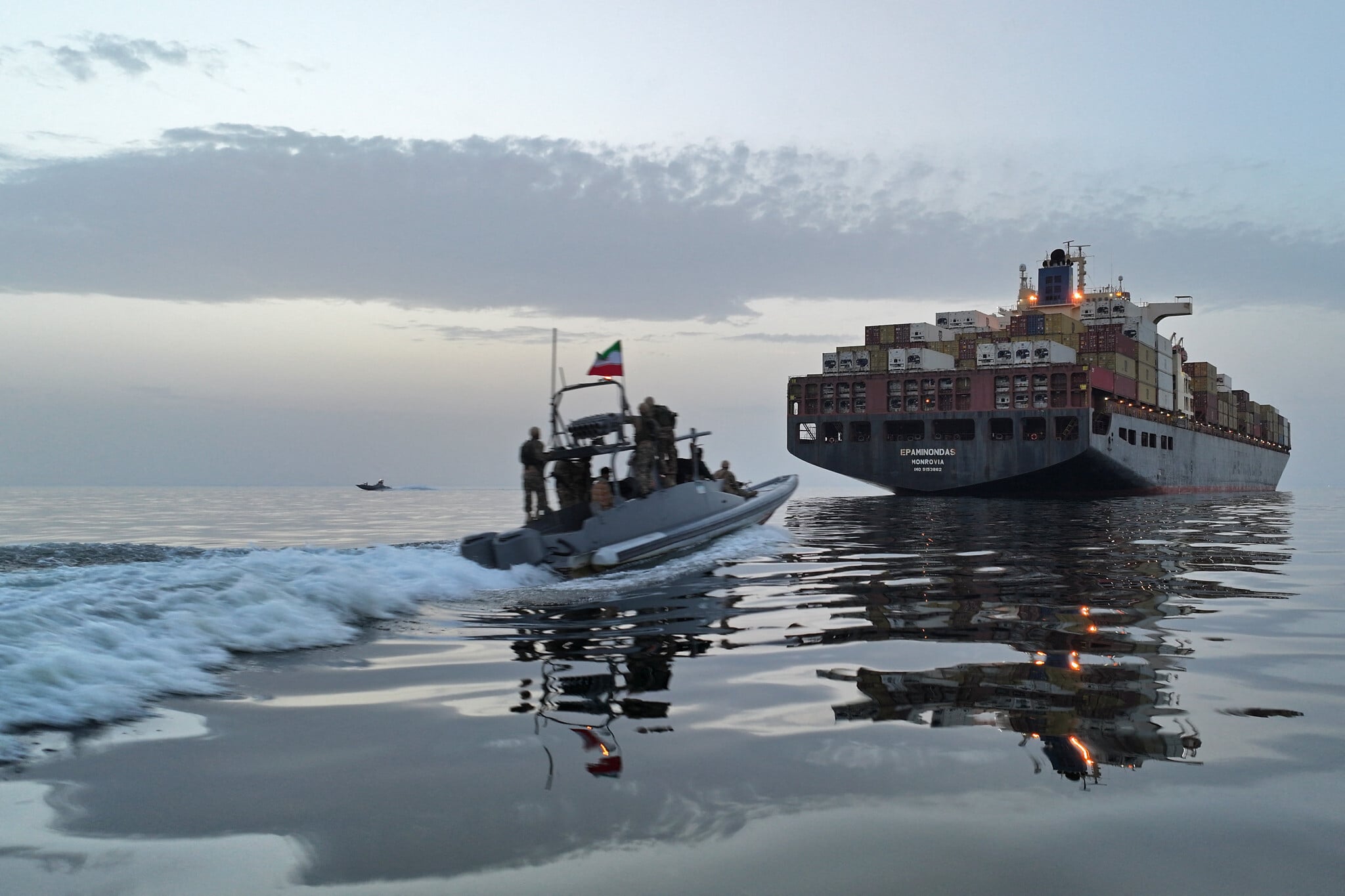
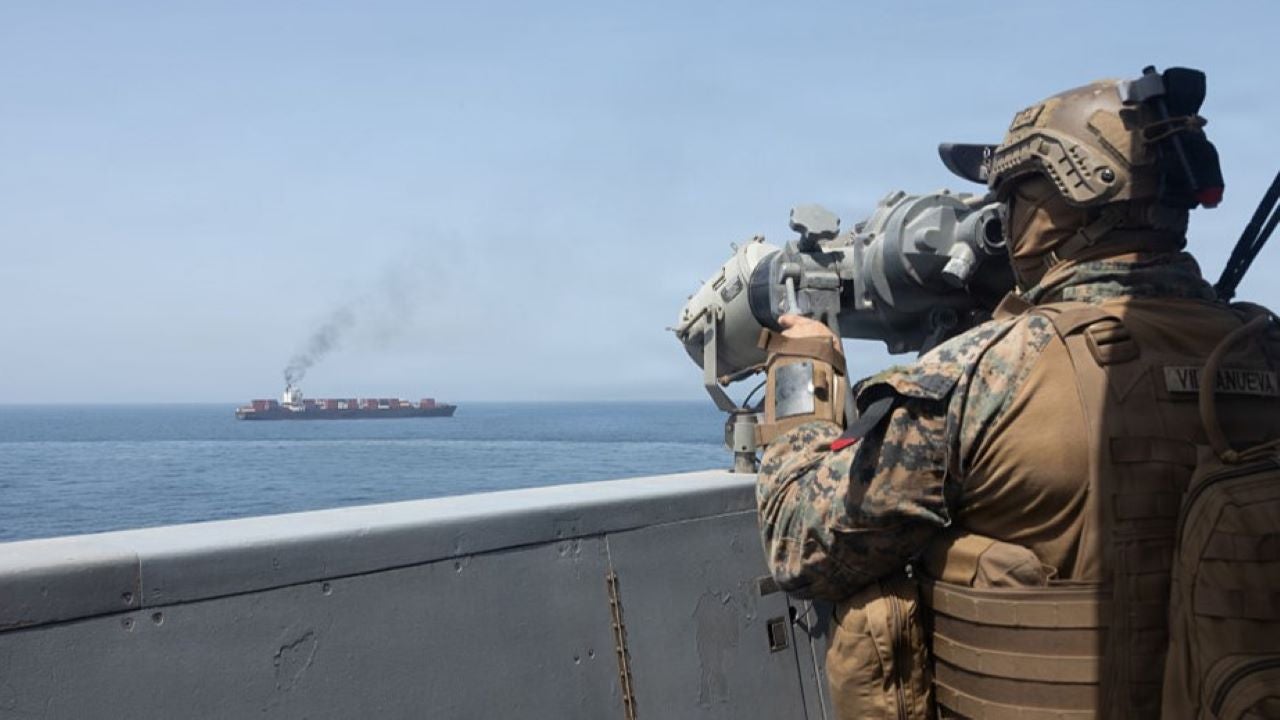
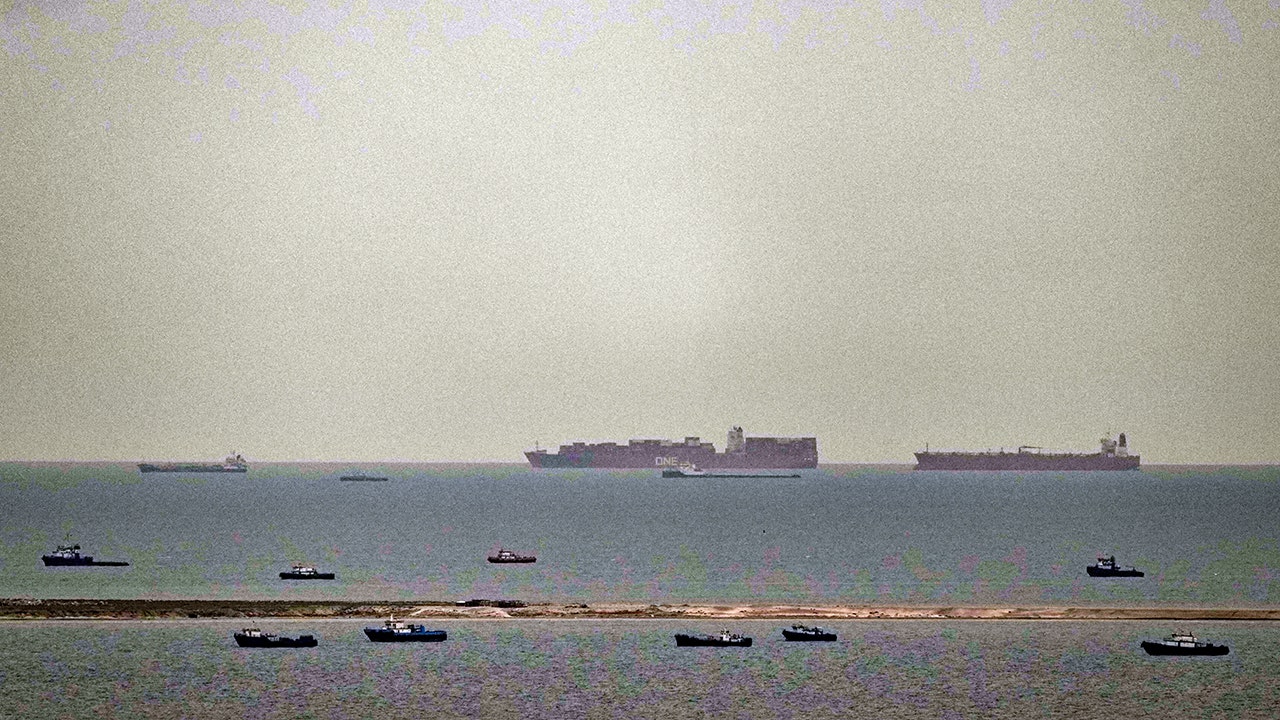
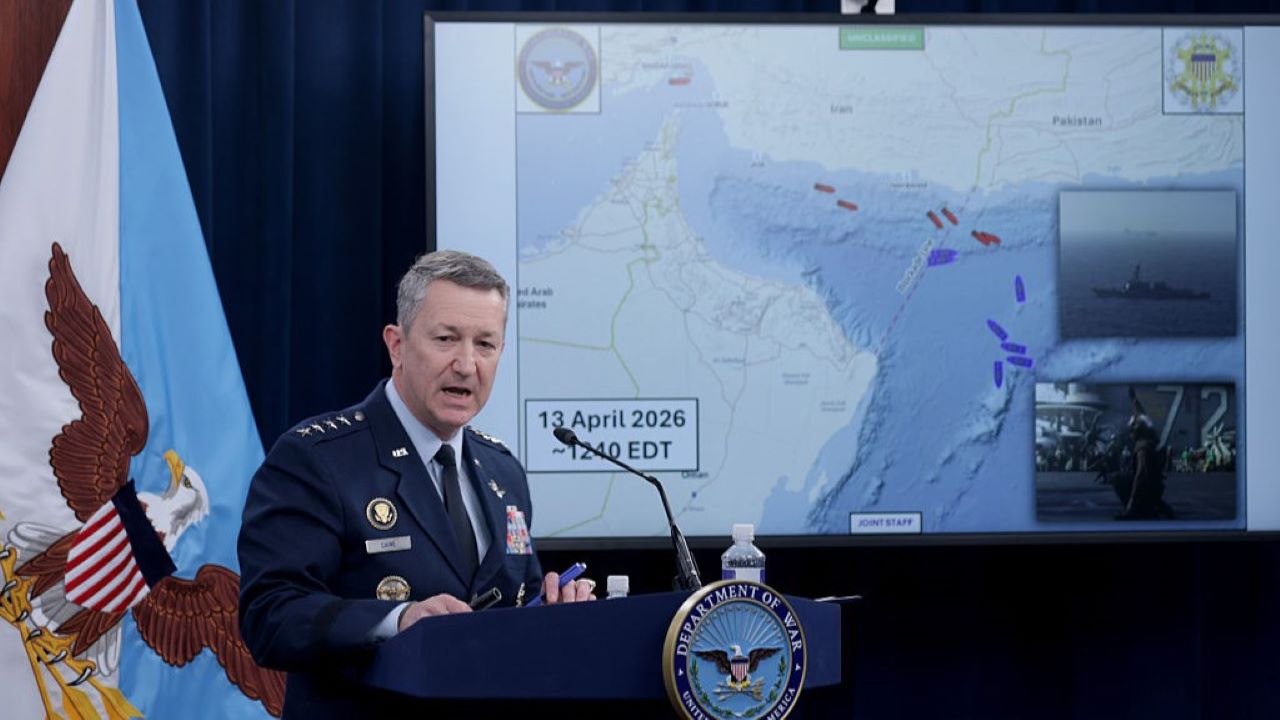
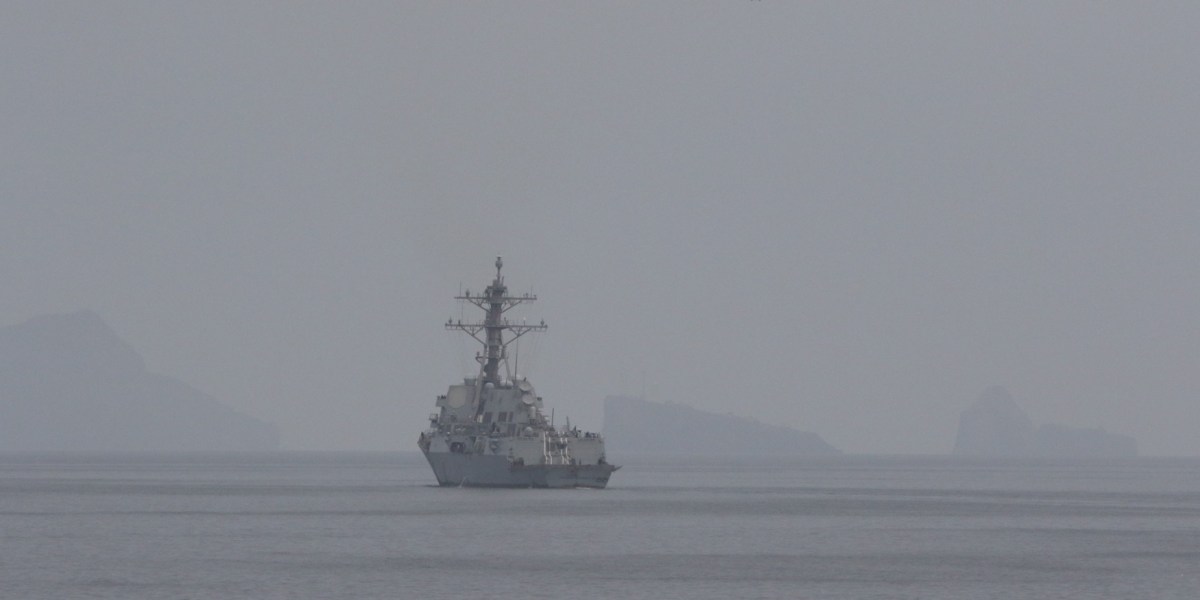
Navy initiated mine clearance and expanded the blockade to Iranian ports, aiming to halt Tehran's seaborne trade. Iran's Revolutionary Guard seized cargo ships in the strait, escalating tensions further. Shipping traffic plummeted, and thousands of seafarers were stranded due to the ongoing closure. The United States launched 'Project Freedom' to escort neutral vessels through the strait amid rising hostilities, which included exchanges of fire between U. S. and Iranian forces. Iran deployed fast-attack boats and implemented new regulations requiring prior authorization for transit. Despite some negotiations and proposals to reopen the strait and end hostilities, disagreements over Iran's uranium enrichment and control of the strait persisted, leaving the conflict unresolved and maritime traffic disrupted.