Astronomers Confirm Magnetar Formation in Superluminous Supernova SN 2024afav

Astronomers Confirm Magnetar Formation in Superluminous Supernova SN 2024afav

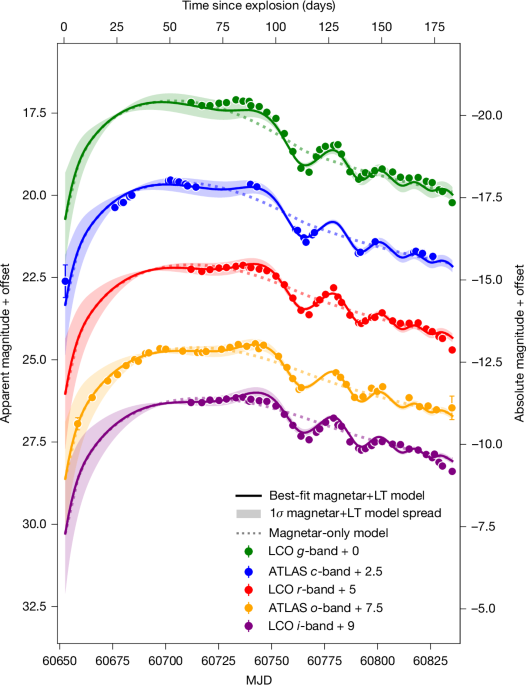
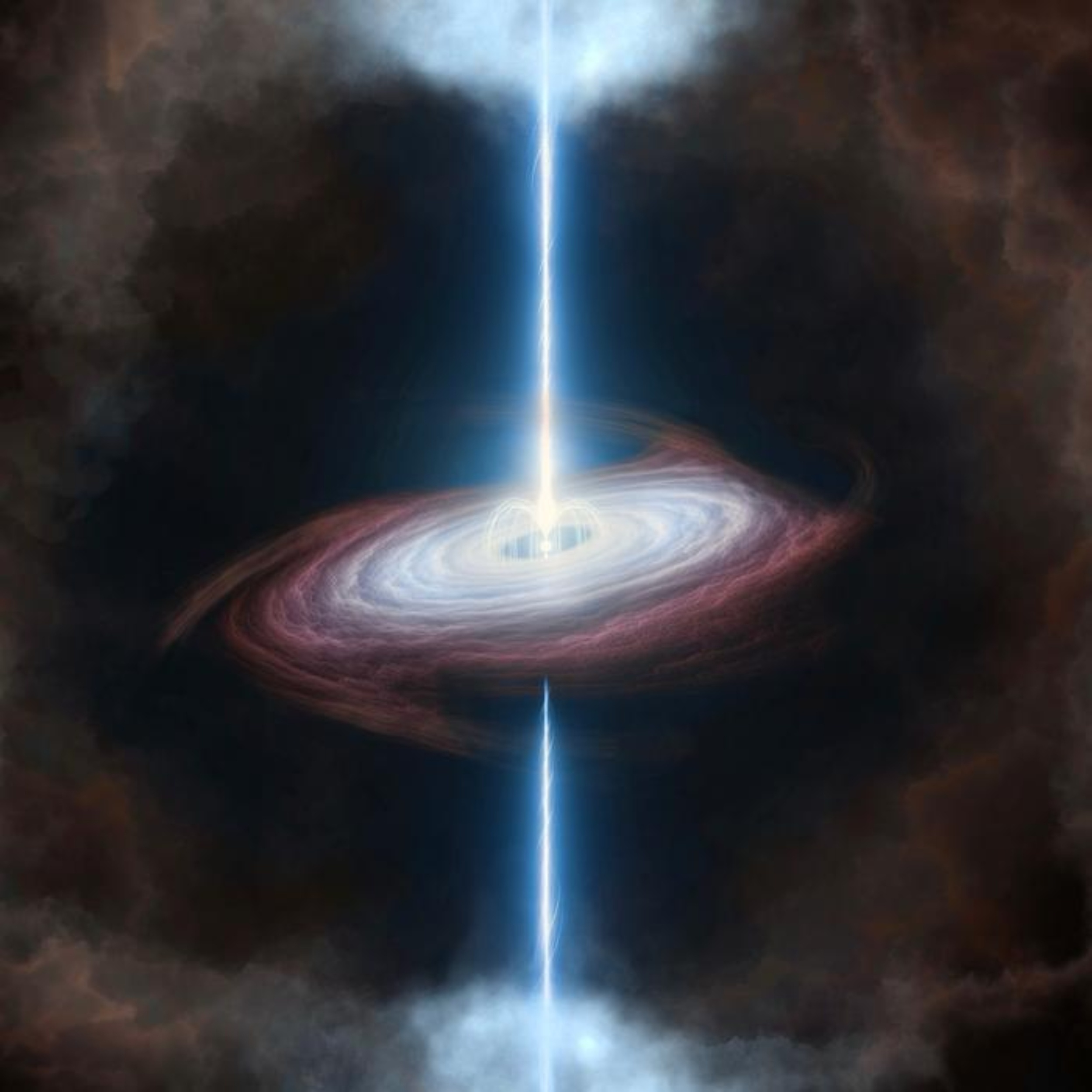
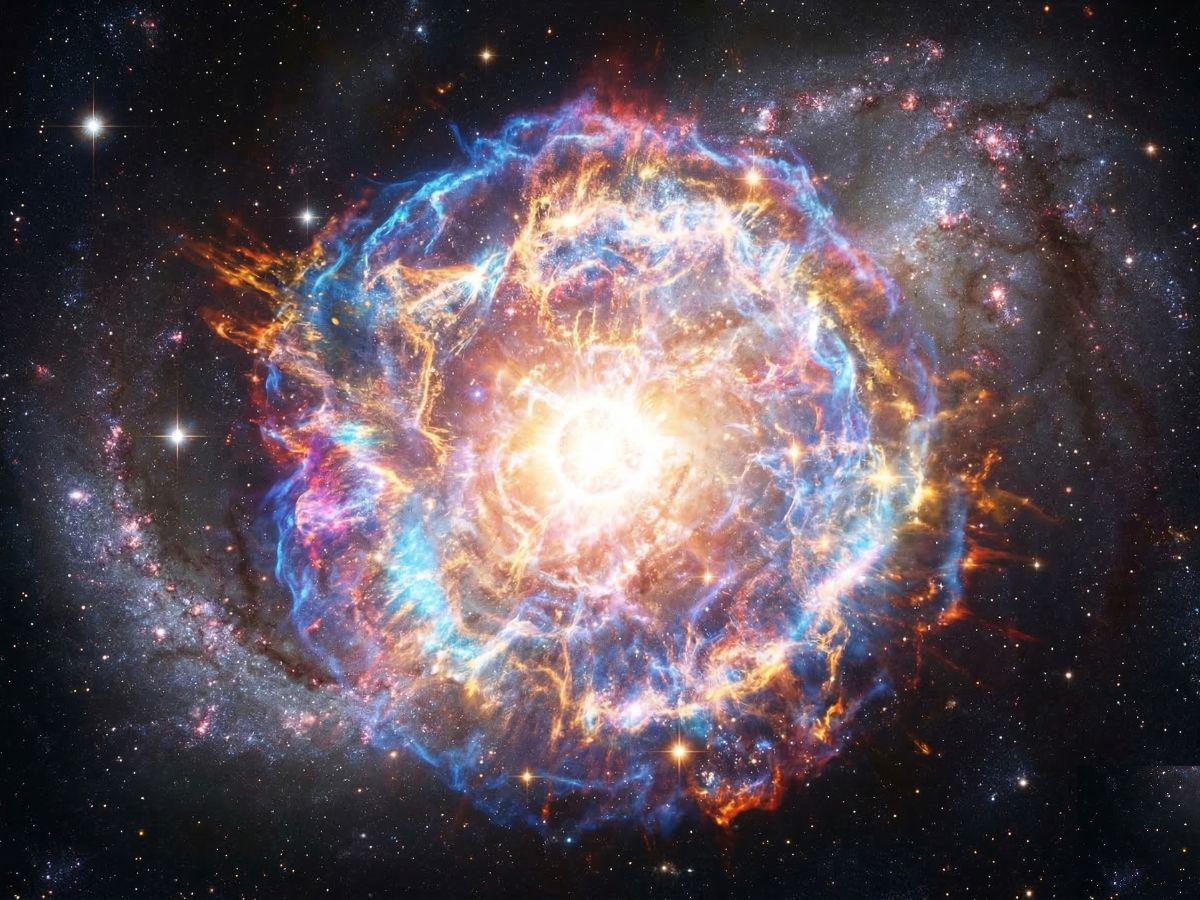
Astronomers first observed the formation of a magnetar within the superluminous supernova SN 2024afav, offering new insights into the origins of highly magnetized neutron stars. High-cadence observations revealed light-curve oscillations in the Type I superluminous supernova that were linked to the magnetar's properties, consistent with the Lense–Thirring effect and supporting the magnetar spin-down model.

Later observations confirmed that the magnetar engine powers the superluminous supernova, providing evidence of Einstein's general relativity effects in such stellar explosions. These findings confirm longstanding theoretical predictions that superluminous supernovae are powered by newly formed magnetars, solidifying the connection between these cosmic phenomena.
Acteurs

astronomers magnetar Type I superluminous supernova

Lieux

Aucun enregistrement
Verdict global: Partiel Confiance: 56% Affirmations: 2
Résumé

The claim regarding the observation of a magnetar forming within the superluminous supernova SN 2024afav on March 11, 2026, is partially confirmed, with the primary event supported but some details not fully verified. The claim about high-cadence observations on March 11, 2026, revealing light-curve oscillations in a Type I superluminous supernova consistent with a magnetar engine undergoing Lense–Thirring precession is also partially confirmed, as the main finding is substantiated but certain specifics remain unconfirmed.

Connectez-vous ou abonnez-vous pour voir l'analyse complète avec les affirmations, les sources et la validation chronologique.

Cette section contient une vérification automatisée des affirmations à partir de sources externes et peut contenir des inexactitudes.

Articles

14 mars 2026
1 au total
Supernova 'chirp' reveals the birth of a magnetar for the first time

Earth.com • 14 mars 14h59

Astronomers have directly observed the birth of a magnetar within a superluminous supernova, confirming the link between these phenomena.

Crédibilité 90% Manip. 5% Centre
13 mars 2026
2 au total
Astronomers witness the birth of a magnetar inside a supernova for the first time

Notebookcheck • 13 mars 10h24

Astronomers have observed the formation of a magnetar during a supernova explosion, providing evidence that such events can power superluminous supernovae.

Crédibilité 90% Manip. 0% Centre
Astrophysicists Unveil Superluminous Supernova Mystery

Devdiscourse • 13 mars 05h00

Recent observations of supernova SN 2024afav provide evidence that superluminous supernovae are powered by newly formed magnetars, confirming longstanding theoretical predictions.

Crédibilité 80% Manip. 10% Centre
12 mars 2026
1 au total
Newborn magnetar offers rare evidence of Einstein’s relativity in a stellar explosion

The Brighter Side of News • 12 mars 23h07

Researchers have observed the formation of a magnetar within superluminous supernova SN 2024afav, providing evidence of Einstein's general relativity effects in stellar explosions.

Crédibilité 90% Manip. 5% Centre
11 mars 2026
3 au total
Lense-Thirring precessing magnetar engine drives a superluminous supernova

Nature • 11 mars 23h03

High-cadence observations of a Type I superluminous supernova reveal light-curve oscillations consistent with a magnetar engine undergoing Lense–Thirring precession, providing evidence for the magnetar spin-down model.

Crédibilité 95% Manip. 0% Centre
Lense-Thirring precessing magnetar engine drives a superluminous supernova

Nature • 11 mars 23h03

High-cadence observations of a Type I superluminous supernova reveal light-curve oscillations linked to a magnetar's properties, providing evidence of the Lense–Thirring effect in such environments.

Crédibilité 95% Manip. 0% Centre
Astronomers witness magnetar birth for first time

The Times • 11 mars 22h10

Researchers have observed the formation of a magnetar within the superluminous supernova SN 2024afav, providing new insights into the origins of these highly magnetized neutron stars.

Crédibilité 95% Manip. 0% Centre