Astronomers Confirm Magnetar Formation in Superluminous Supernova SN 2024afav


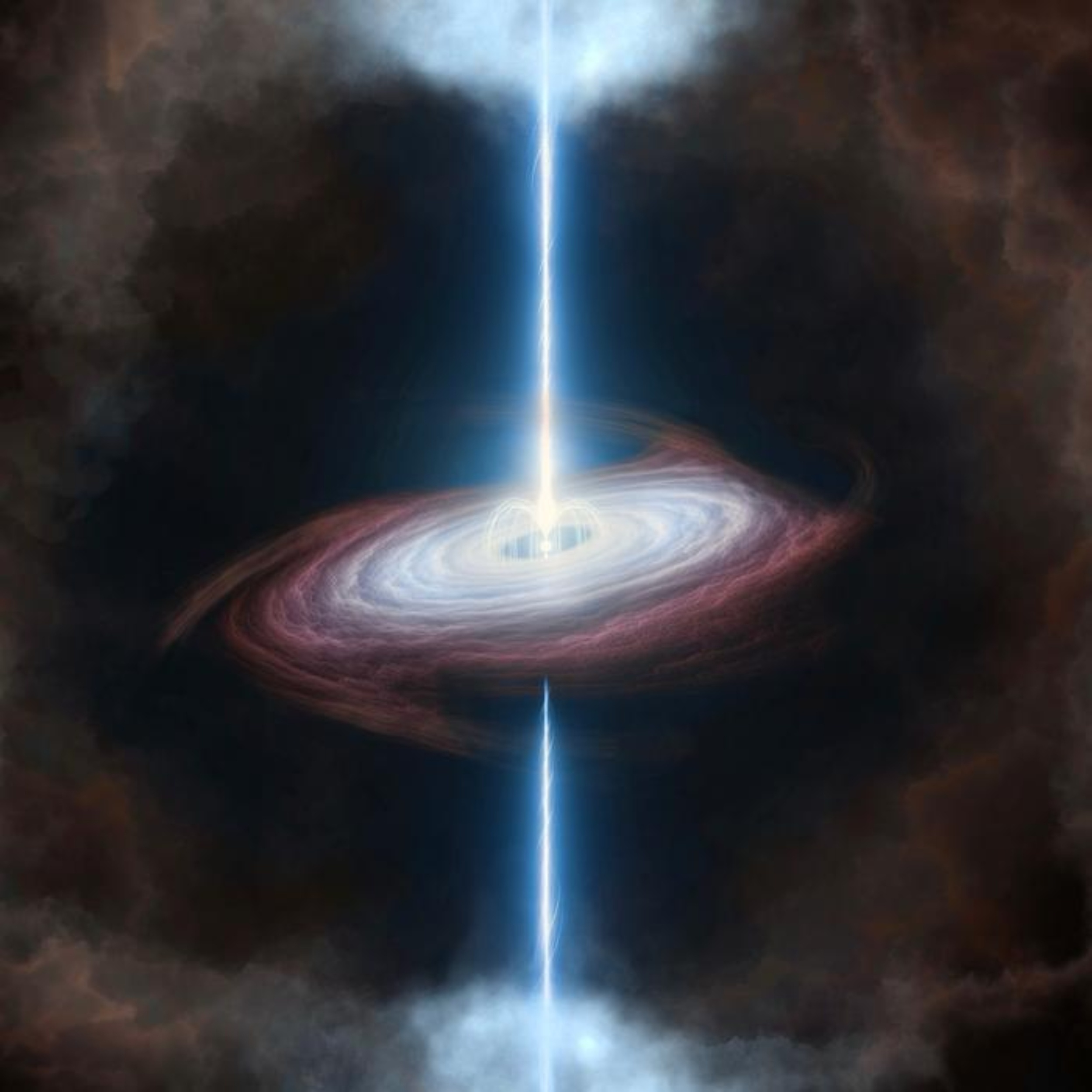
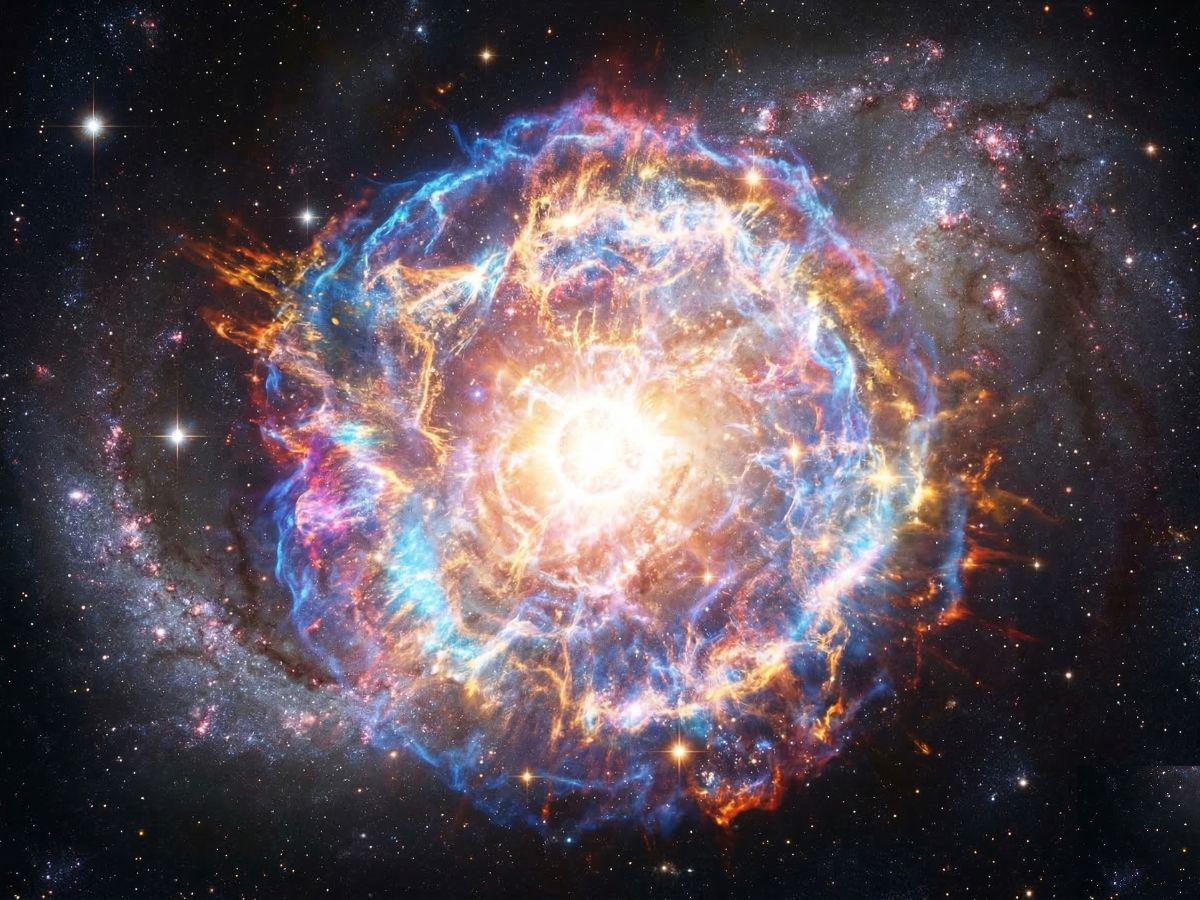
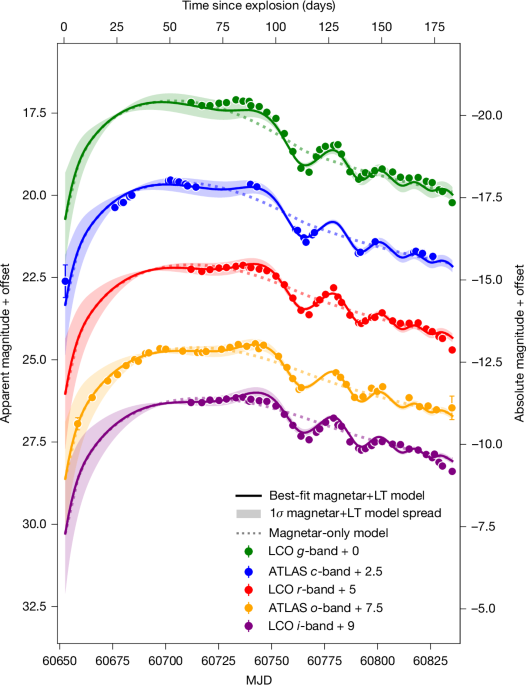
Astronomers first observed the formation of a magnetar within the superluminous supernova SN 2024afav, offering new insights into the origins of highly magnetized neutron stars. High-cadence observations revealed light-curve oscillations in the Type I superluminous supernova that were linked to the magnetar's properties, consistent with the Lense–Thirring effect and supporting the magnetar spin-down model.
Later observations confirmed that the magnetar engine powers the superluminous supernova, providing evidence of Einstein's general relativity effects in such stellar explosions. These findings confirm longstanding theoretical predictions that superluminous supernovae are powered by newly formed magnetars, solidifying the connection between these cosmic phenomena.