Edison's 1879 Light Bulb May Have Unintentionally Produced Graphene

Edison's 1879 Light Bulb May Have Unintentionally Produced Graphene

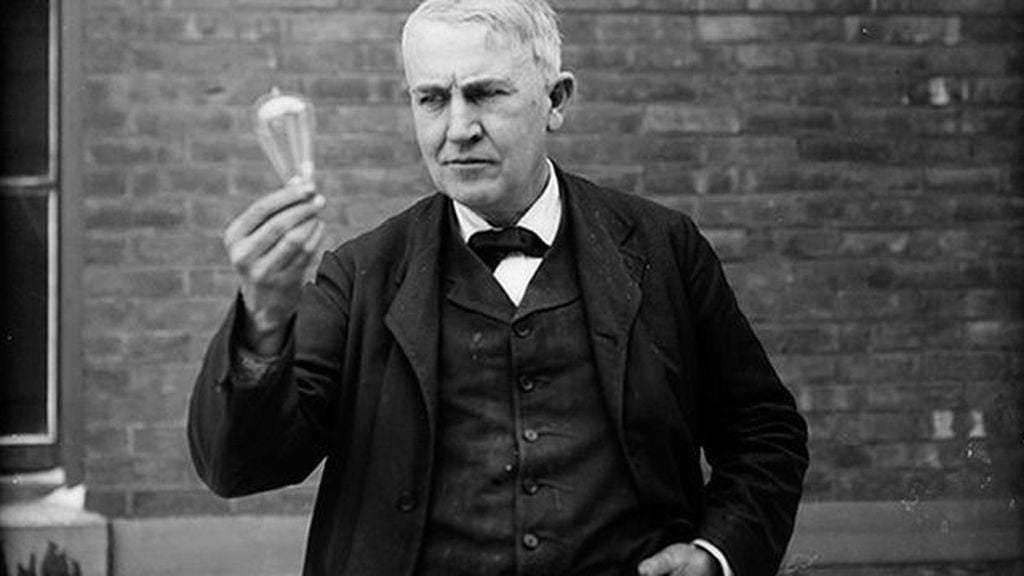
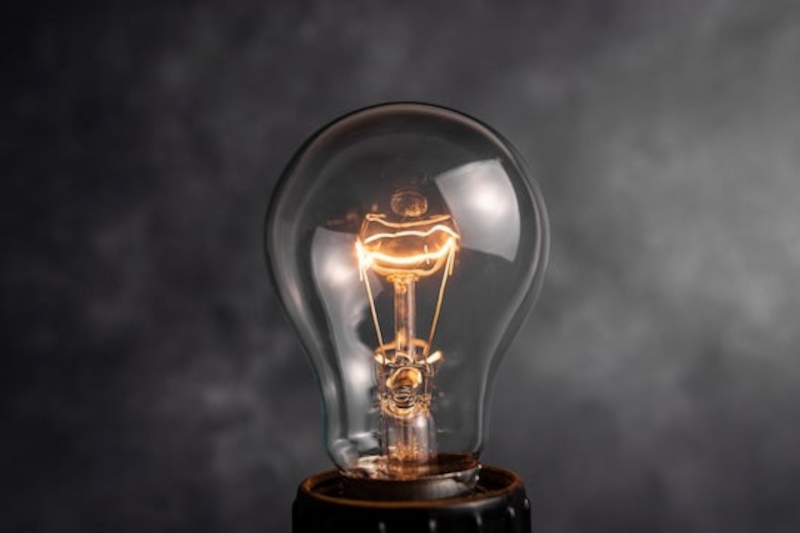
Researchers at Rice University in Houston, United States, have suggested that Thomas Edison's original light bulb experiments in 1879 may have unintentionally produced graphene. This material, which was formally identified over a century later, could have formed during Edison's experiments. The researchers replicated aspects of the original experiment to arrive at this conclusion. The discovery links historical scientific work with modern materials science, highlighting an unexpected outcome of Edison's early electrical experiments.

Actors

Rice University Thomas Edison Lucas Eddy James Tour

Locations

Rice University

Articles

January 31, 2026
2 total
Edison's 1879 Light Bulb May Have Unintentionally Produced Graphene

The Brighter Side of News • 31 Jan 21:07

Rice University researchers suggest that Thomas Edison's original light bulb experiments in 1879 may have inadvertently created graphene, a material formally identified over a century later.

Credibility 80% Manip. 10% Center
Edison's 1879 Light Bulb May Have Accidentally Produced Graphene

Hackaday • 31 Jan 21:00

Researchers at Rice University suggest that Thomas Edison's original light bulb experiments in 1879 may have inadvertently created graphene, a material formally identified over a century later.

Credibility 75% Manip. 10% Center