Iran's Supreme Leader Faces Internal Unrest and International Pressure Amid Deadly Crackdown


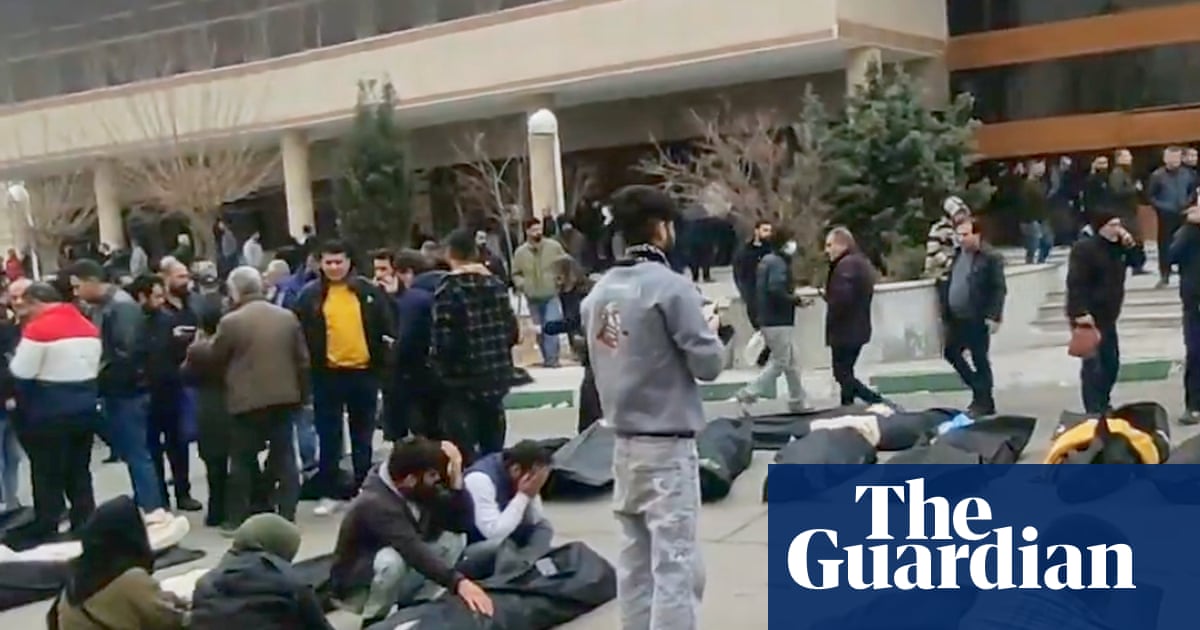
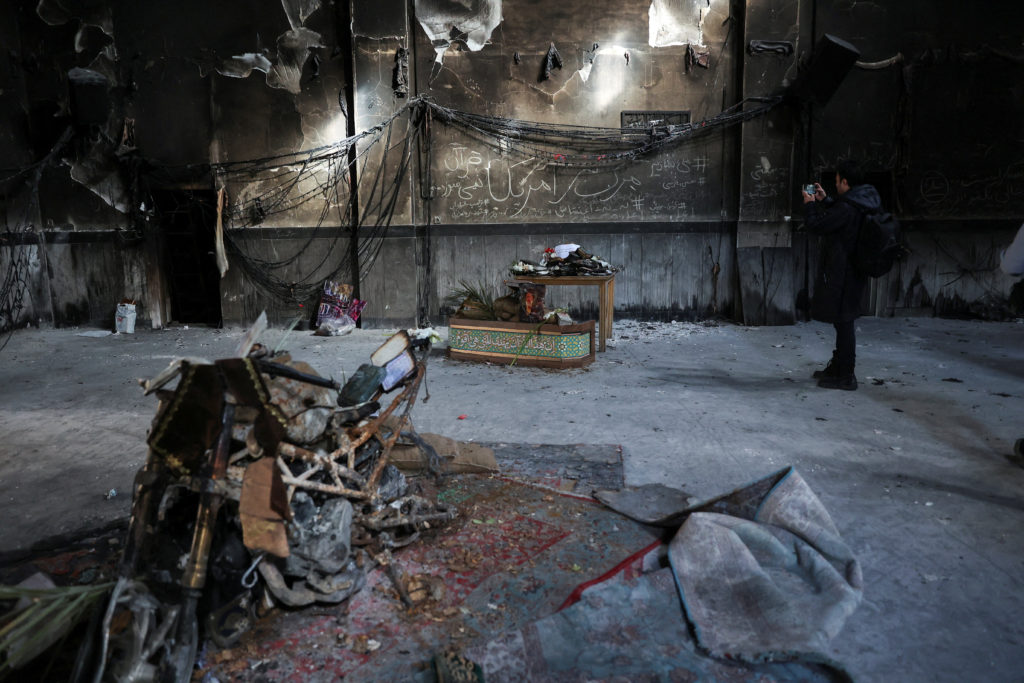
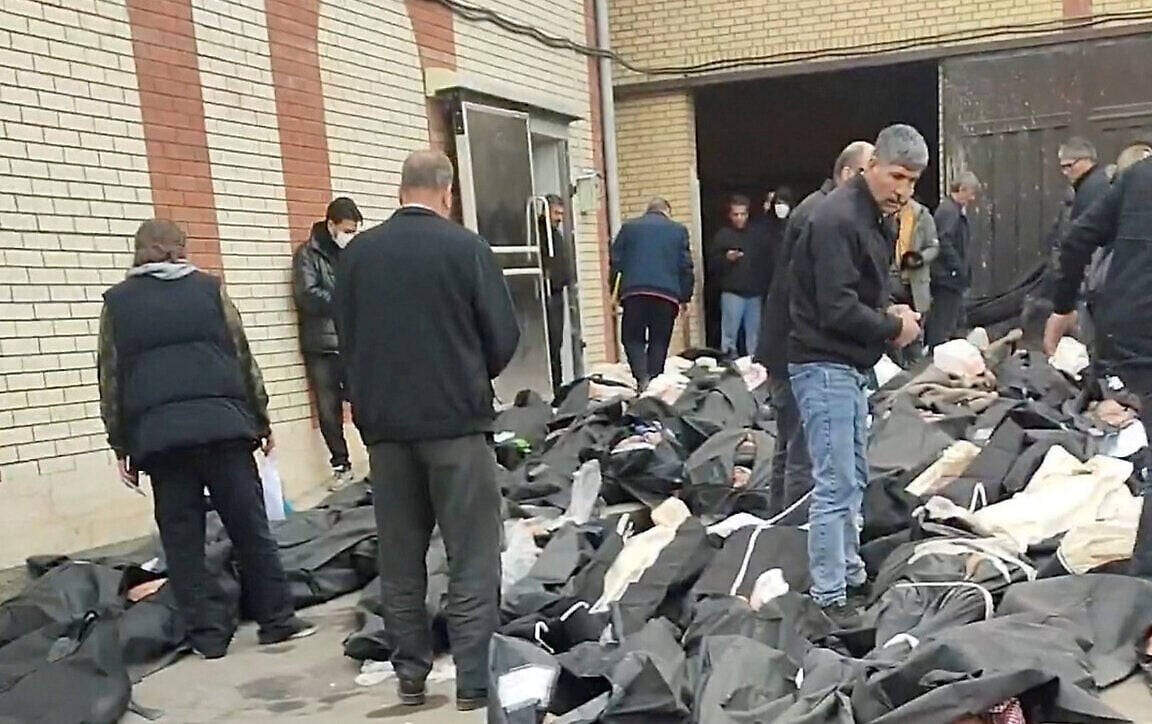
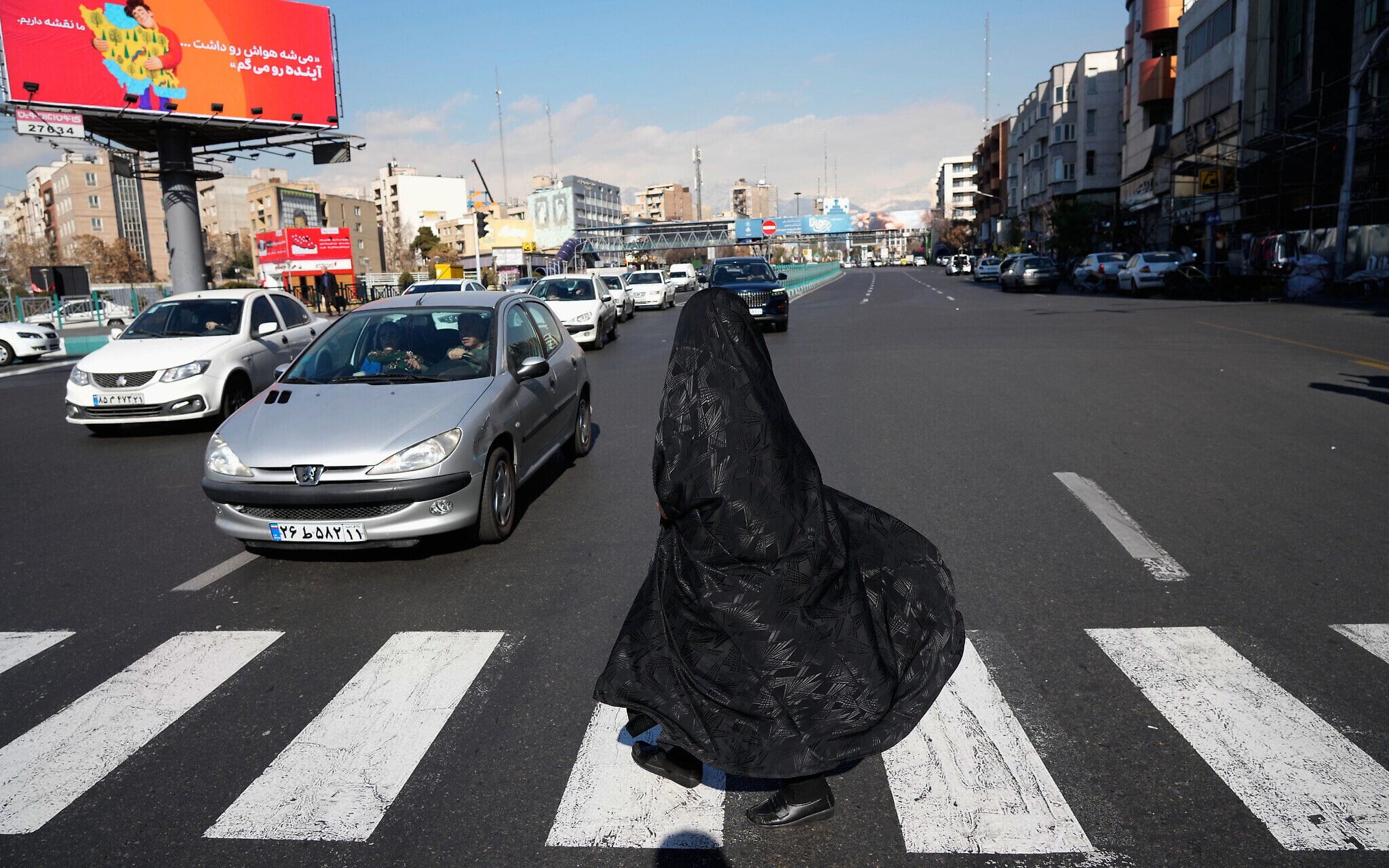
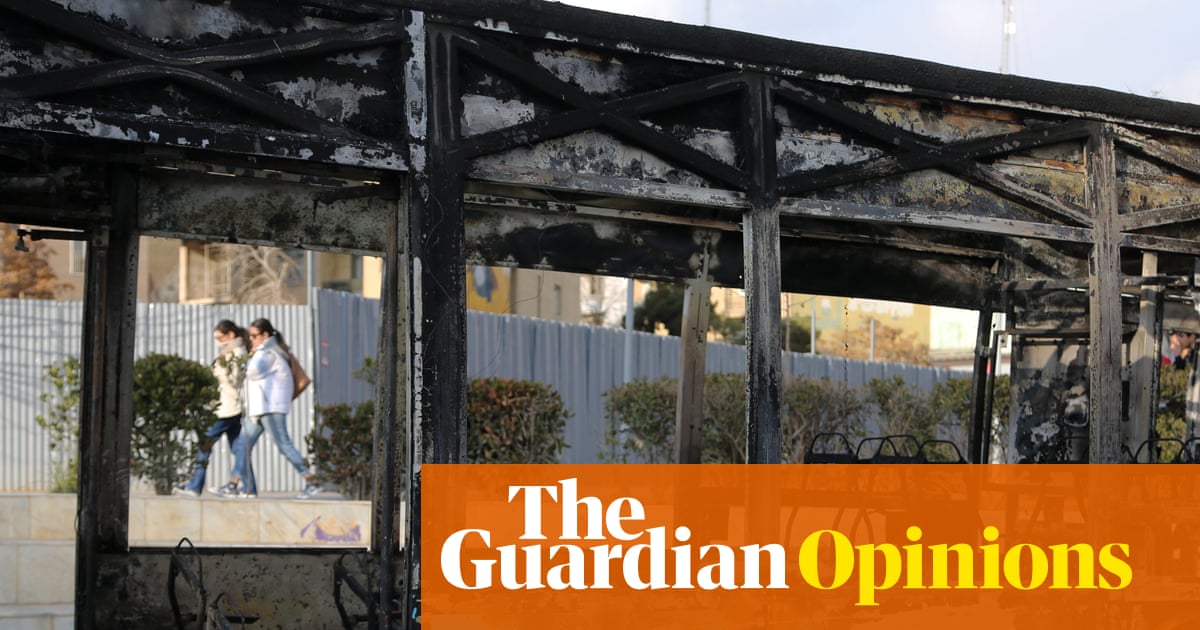
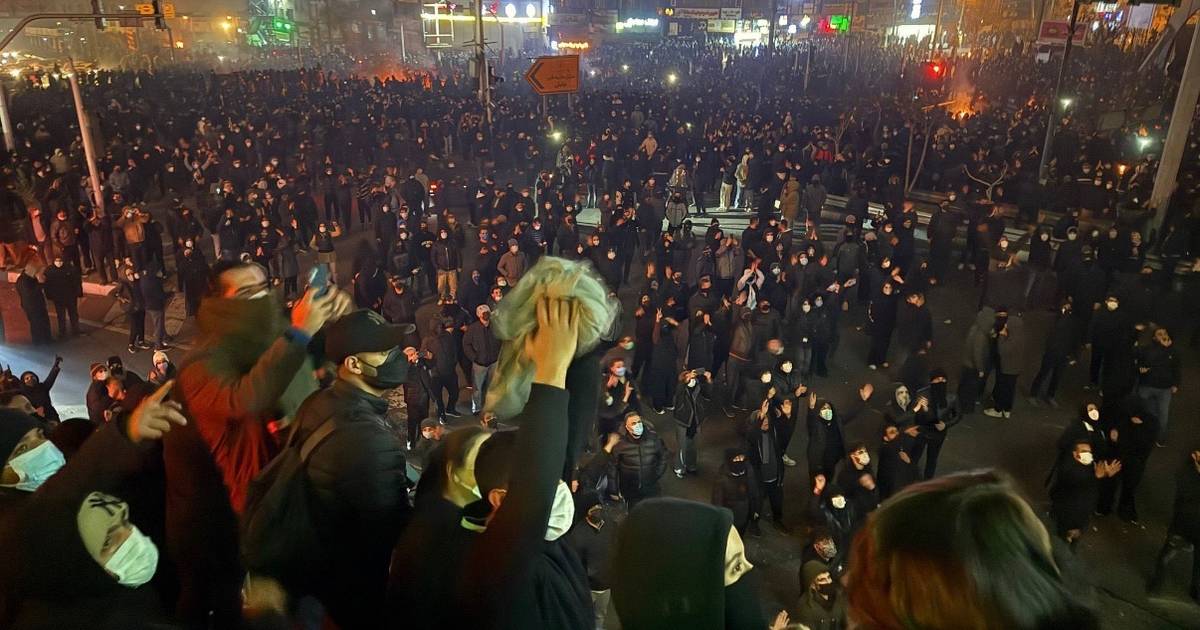
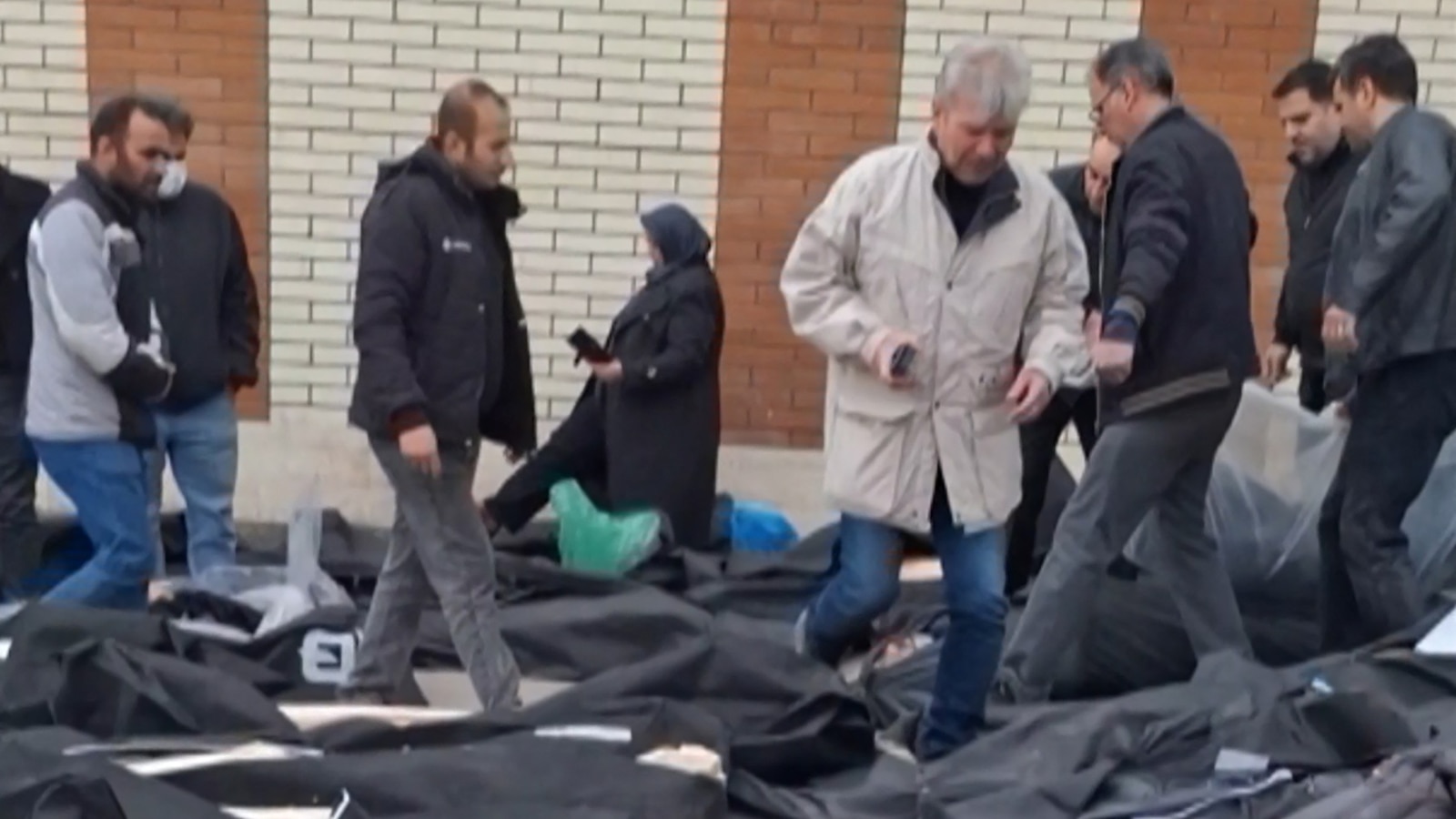
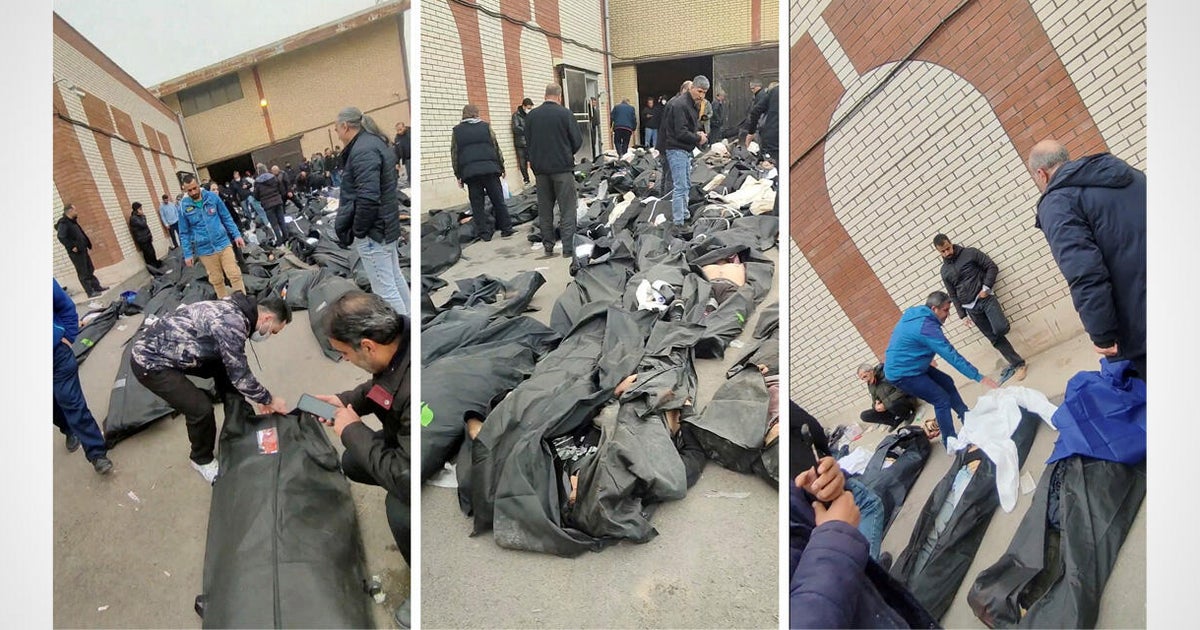
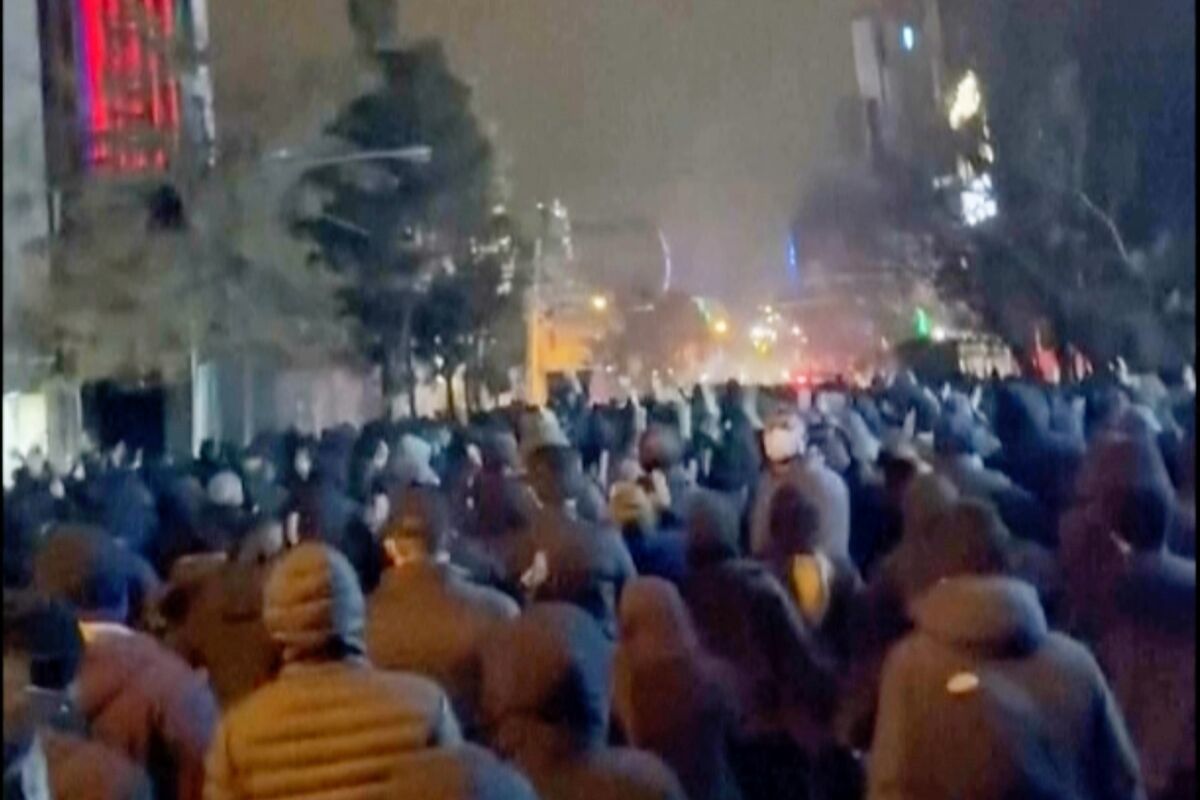
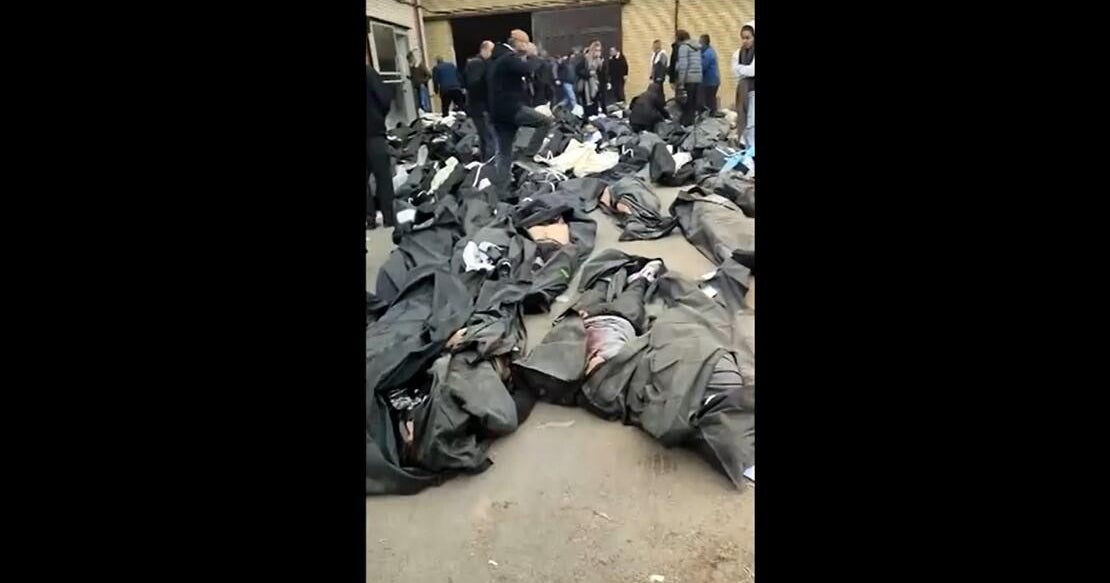
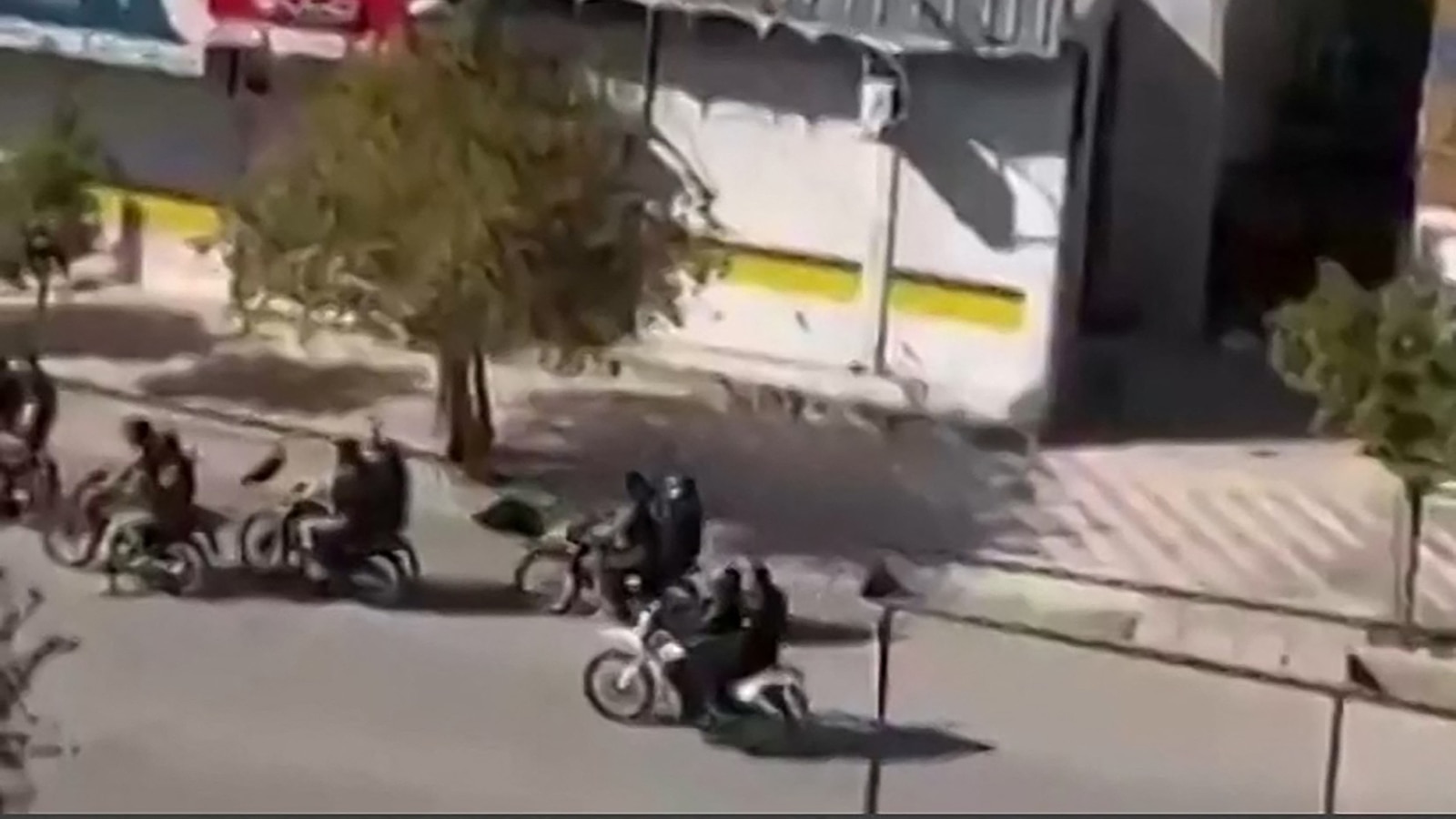
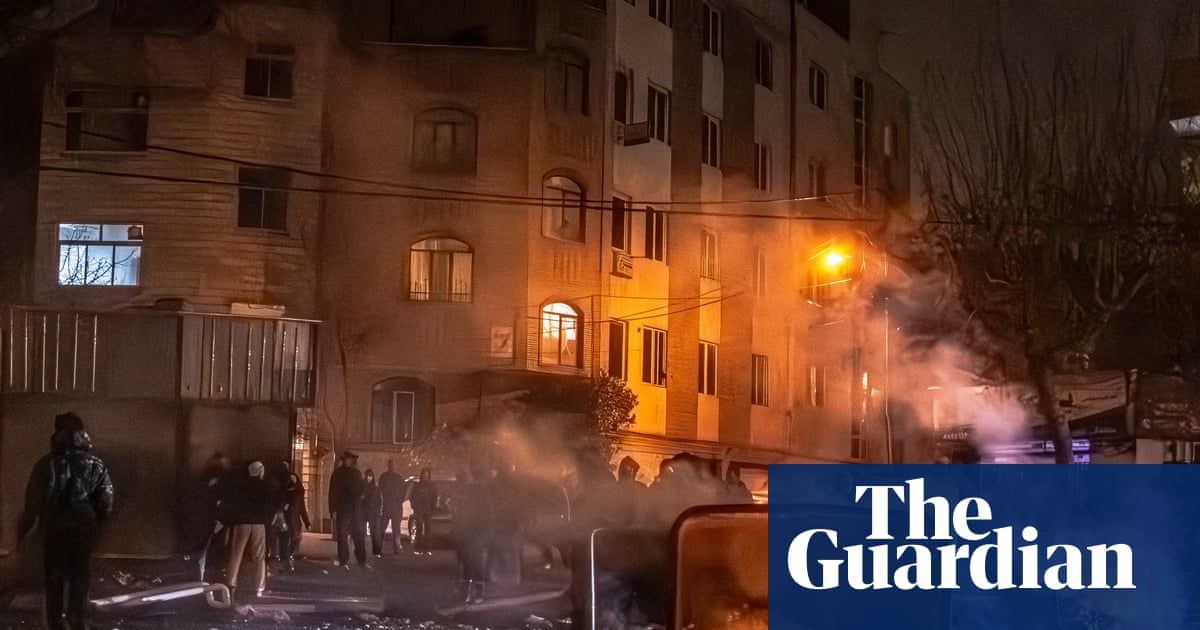
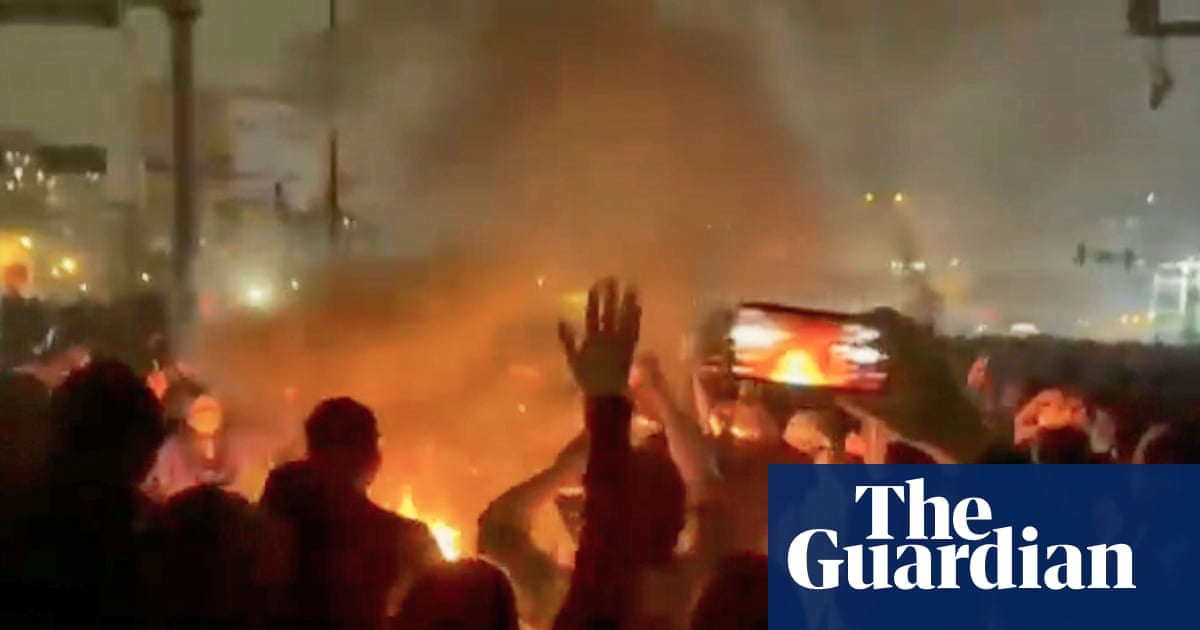
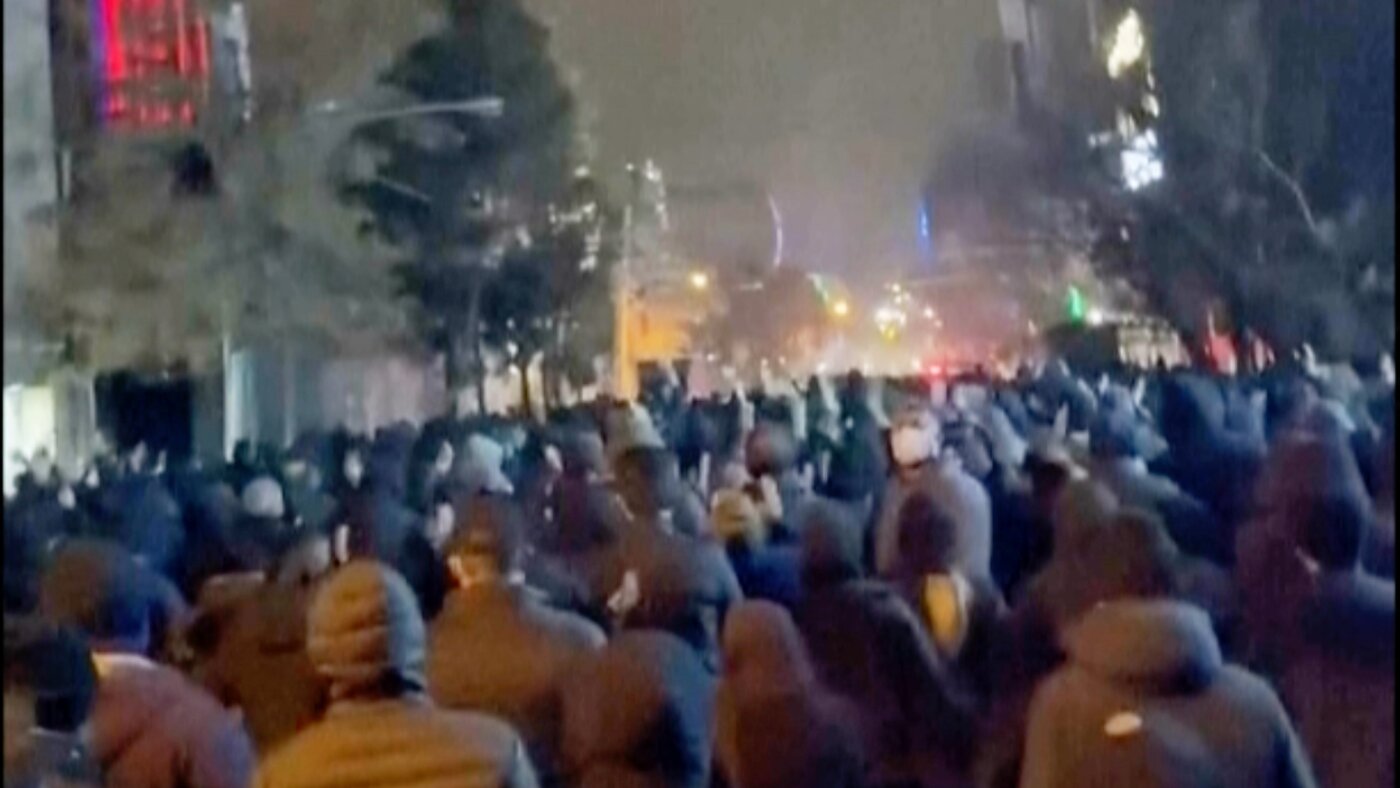
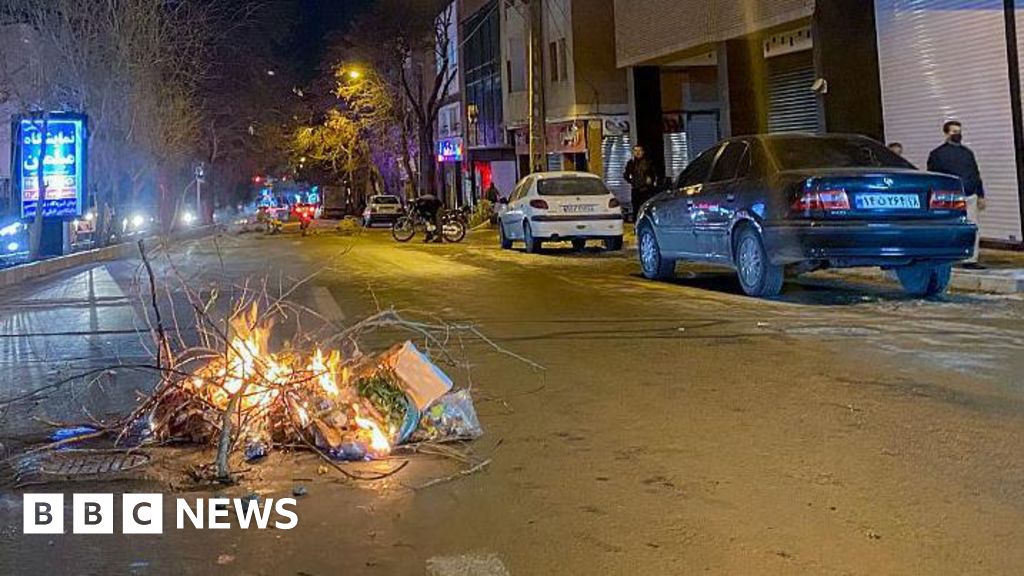
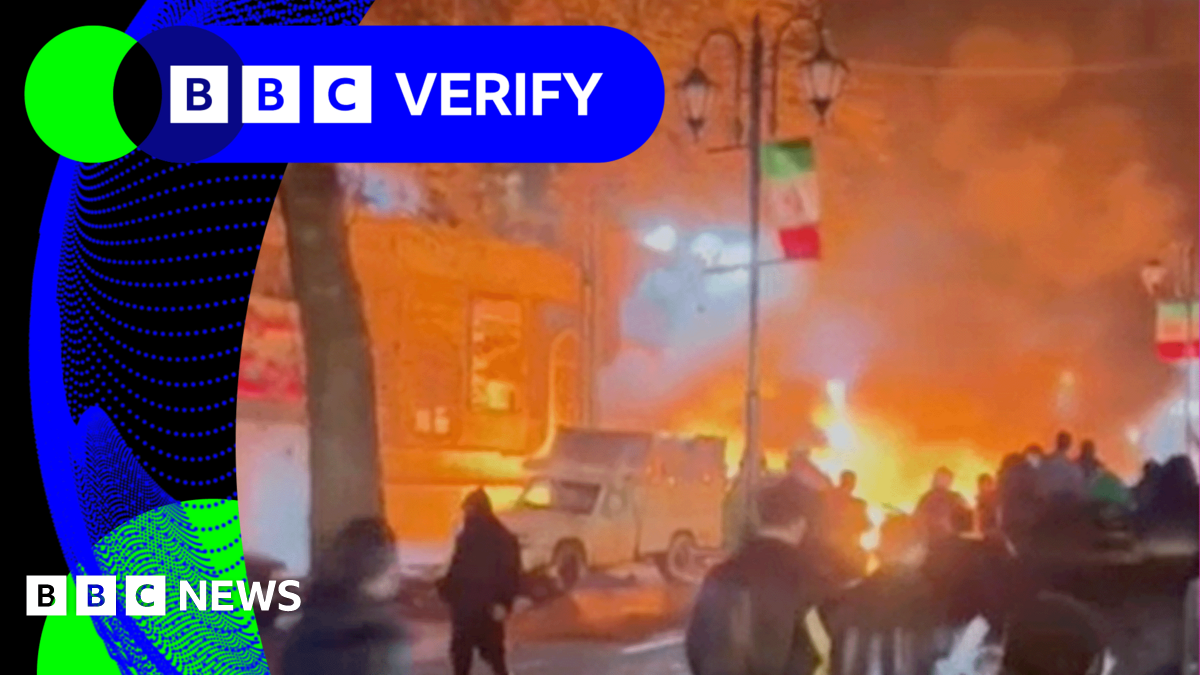
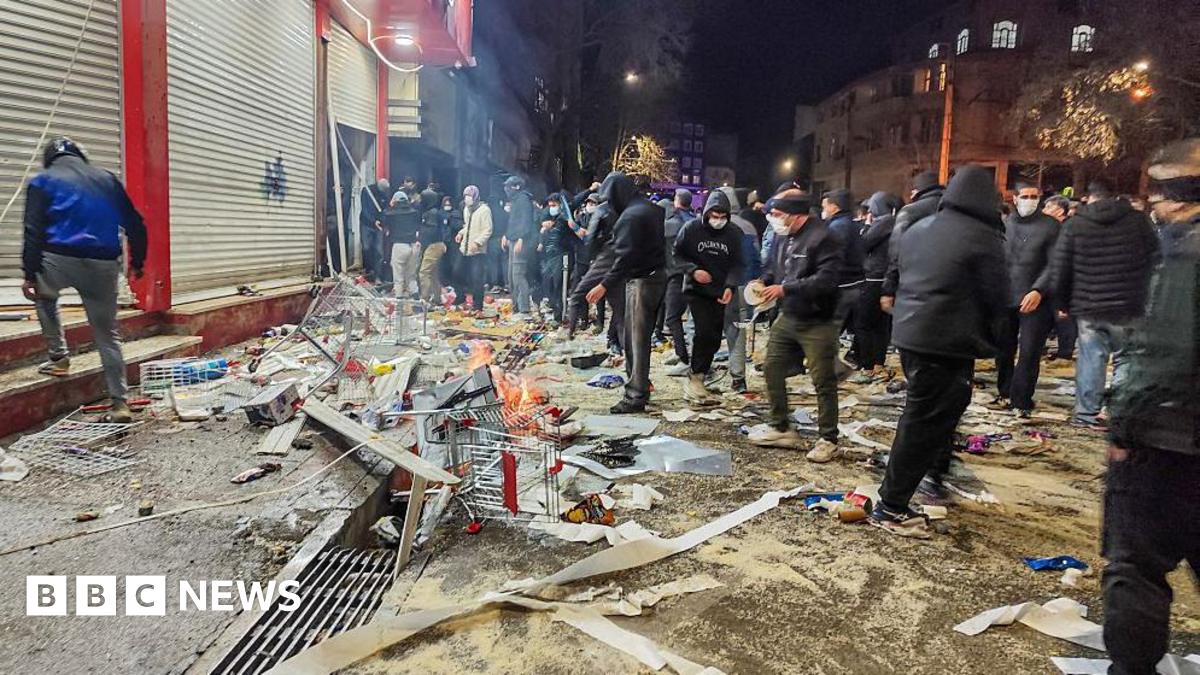
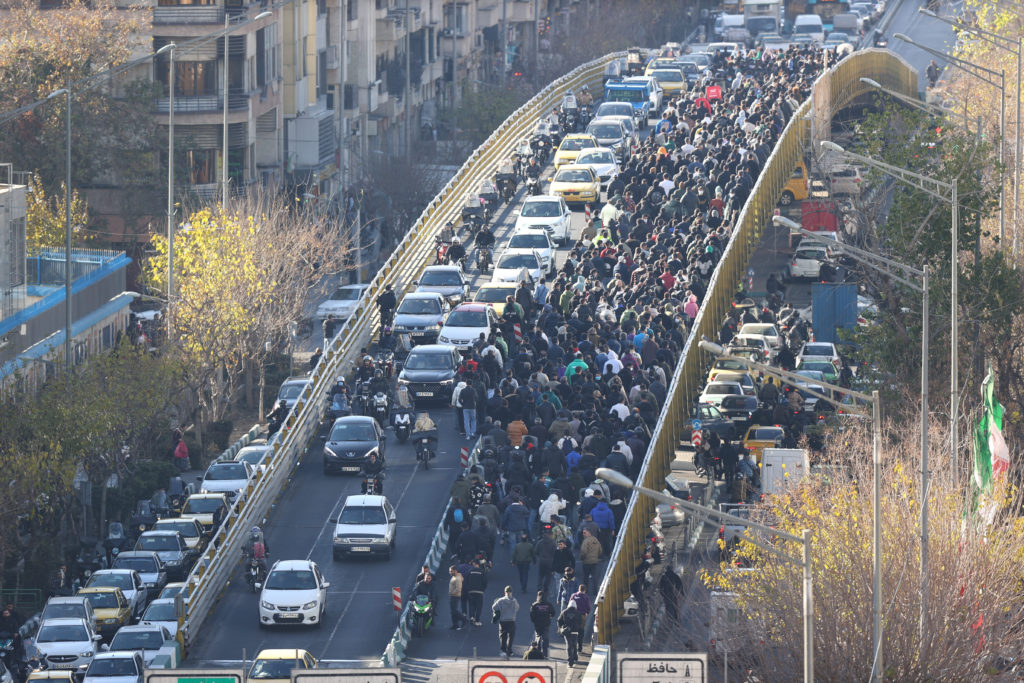
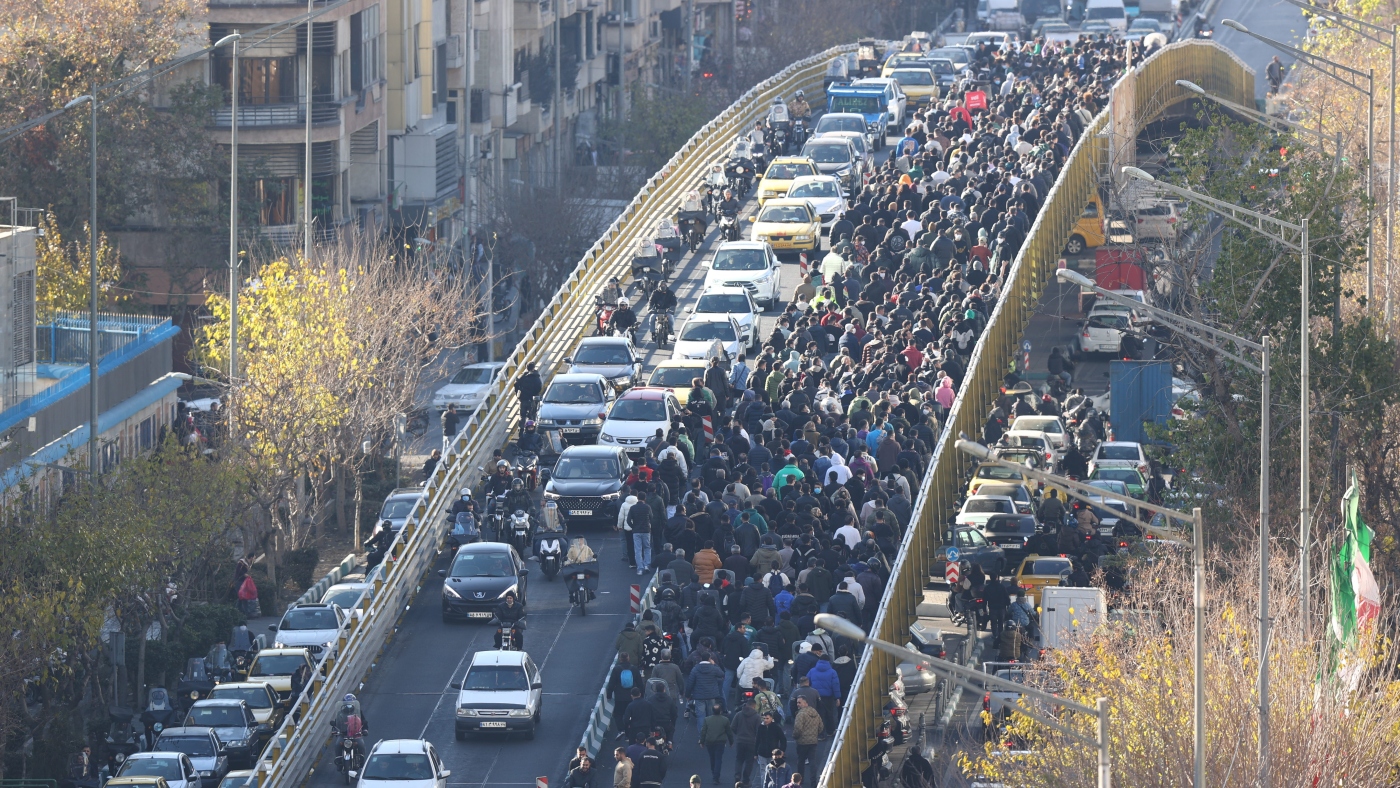
Since late 2025, Iran has faced widespread protests across major cities including Tehran, Isfahan, Shiraz, and Mashhad, triggered by economic hardships and political unrest. The government's crackdown on these demonstrations has resulted in a disputed death toll, with official figures acknowledging approximately 3,117 deaths, while independent sources and activists estimate fatalities exceeding 36,500. Authorities imposed a nationwide internet blackout and arrested protest leaders amid escalating violence.
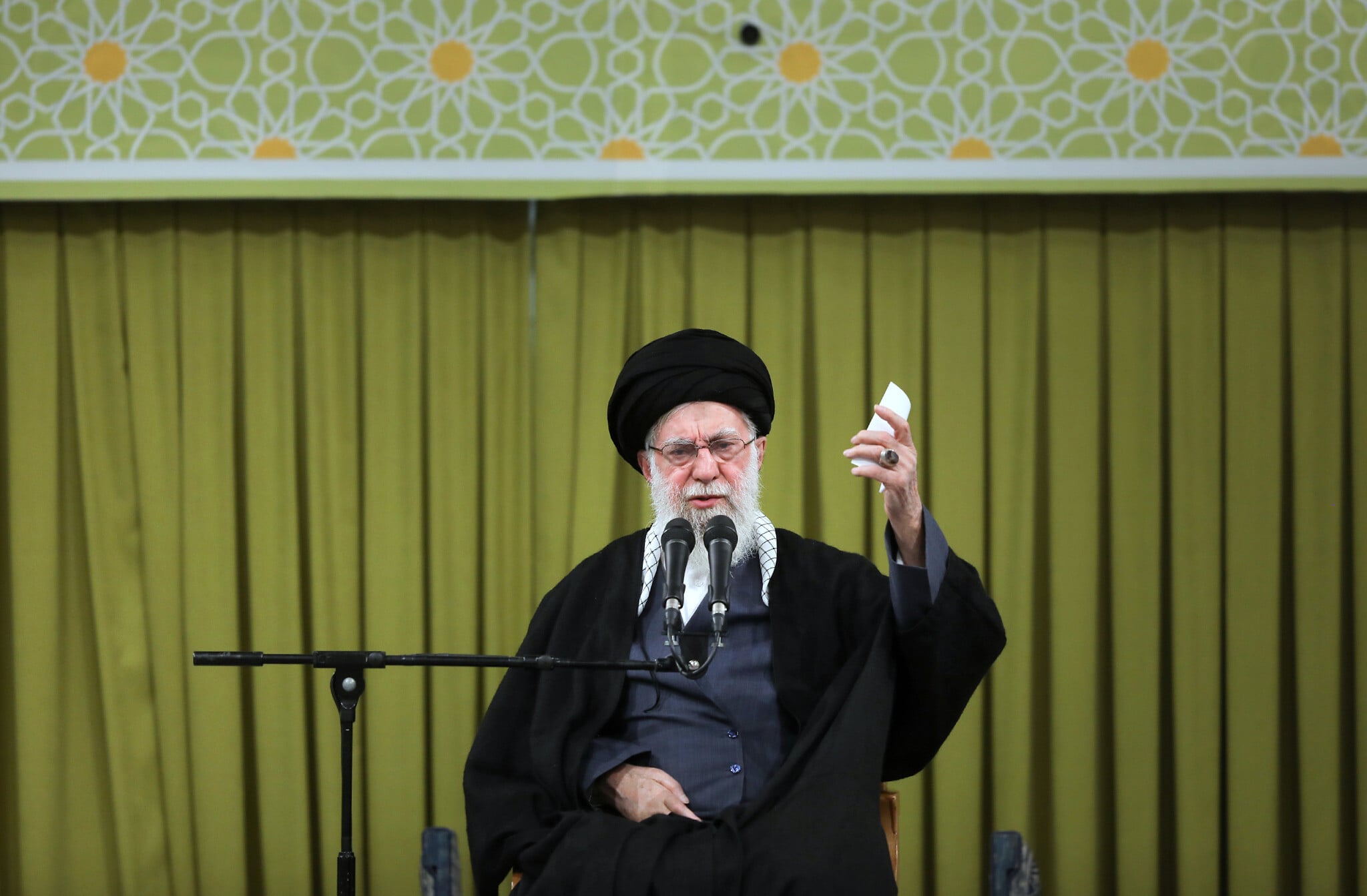
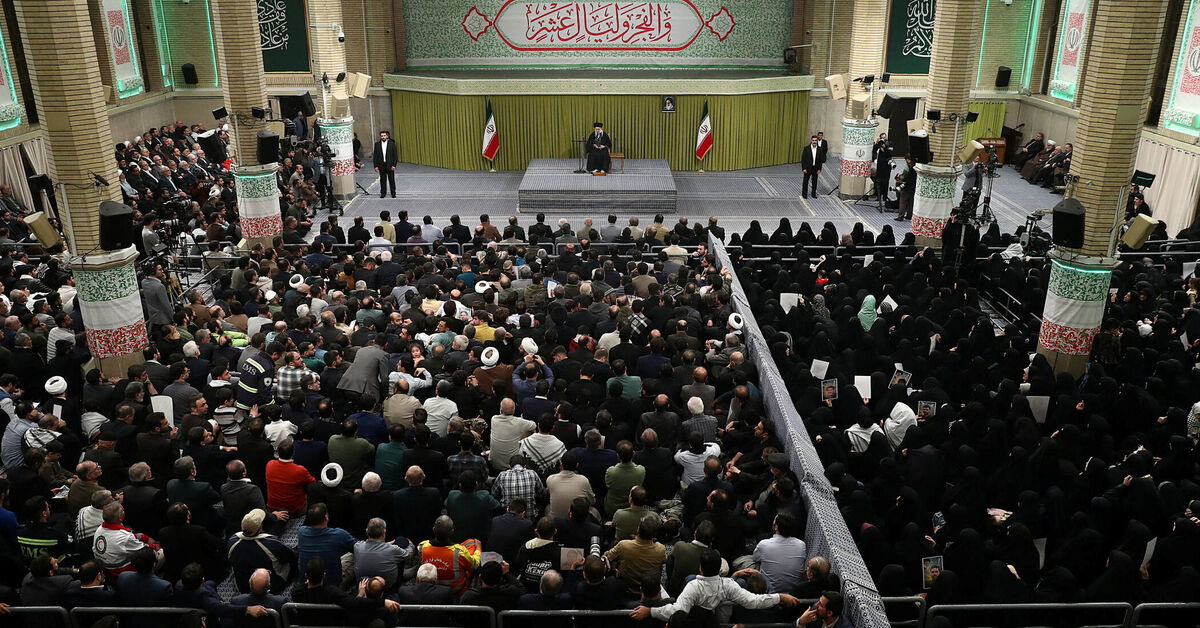
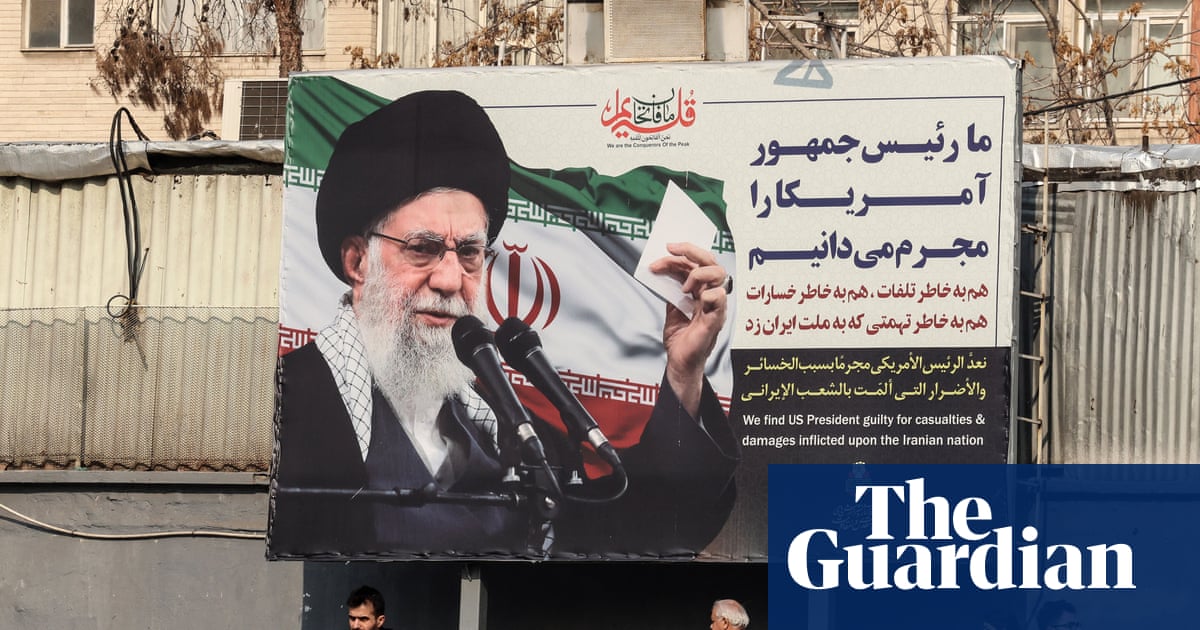
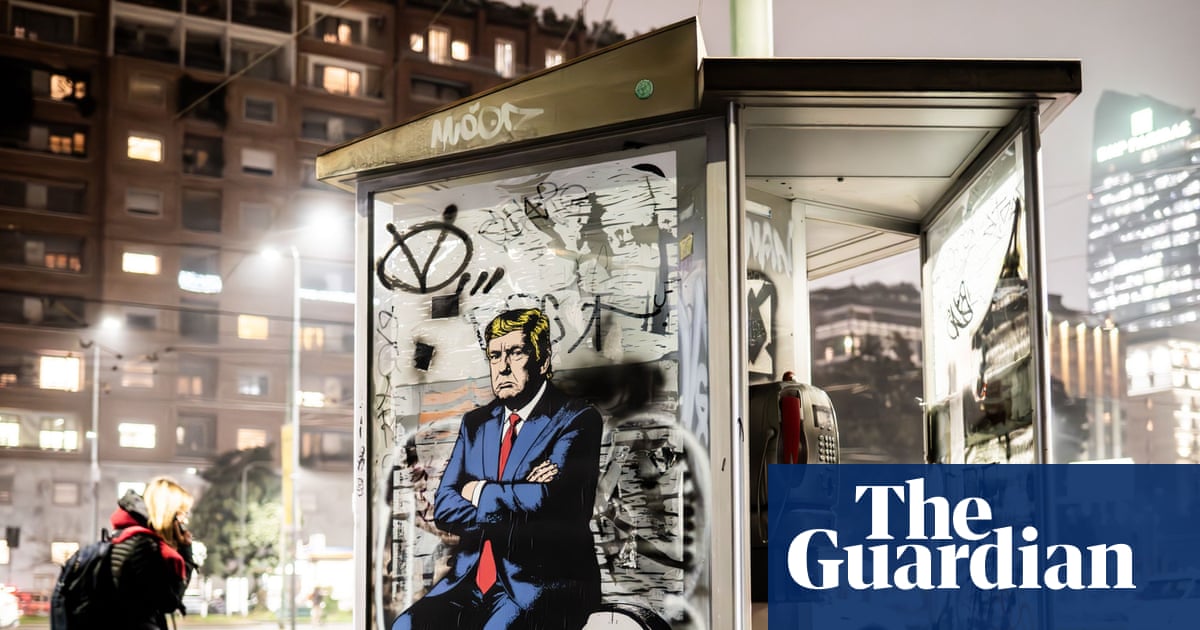
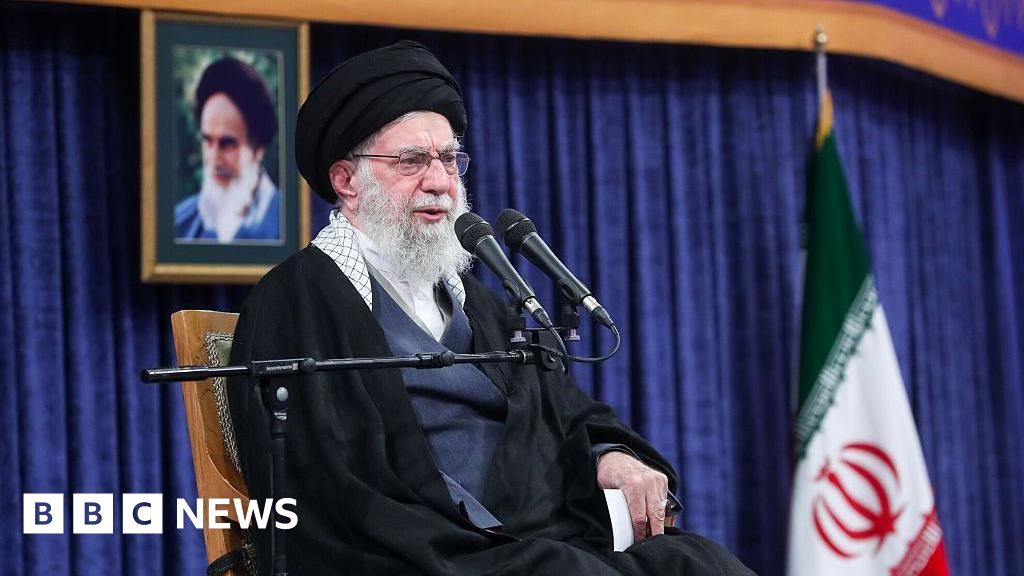
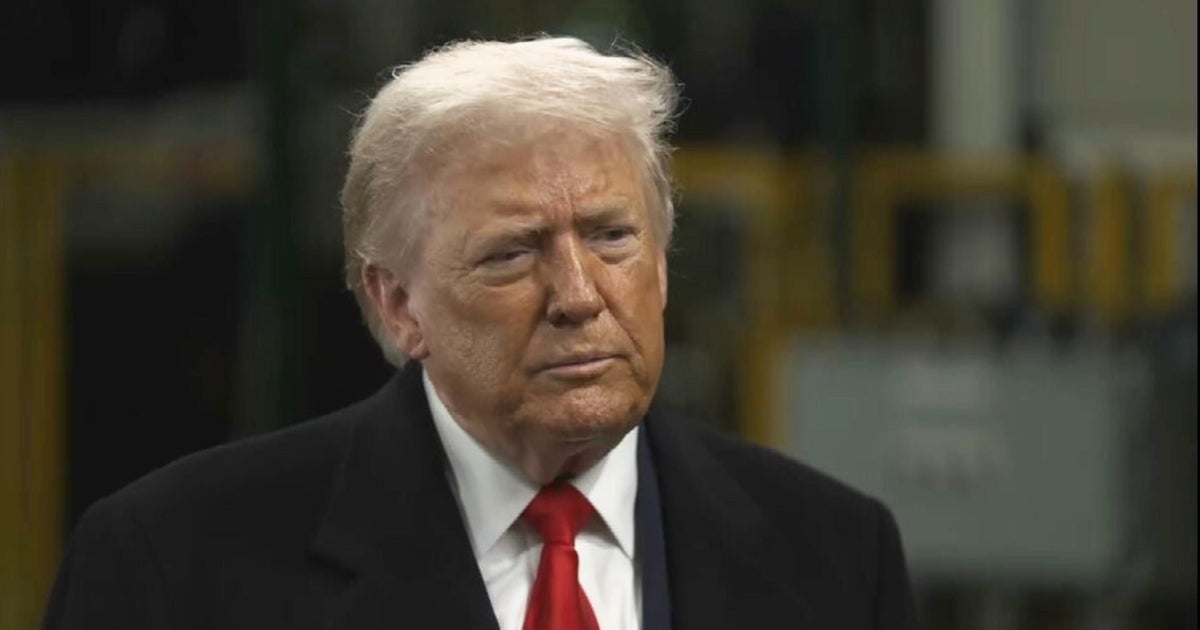
Iran's Supreme Leader Ayatollah Ali Khamenei has acknowledged thousands of deaths during the protests and attributed the unrest to foreign influence, particularly from the United States. Iranian officials have warned against potential U.S. military actions, fearing they could reignite protests and destabilize the country. Meanwhile, U.S. President Donald Trump and other international leaders have engaged in diplomatic exchanges, with Iran issuing warnings against U.S. and Israeli interventions.
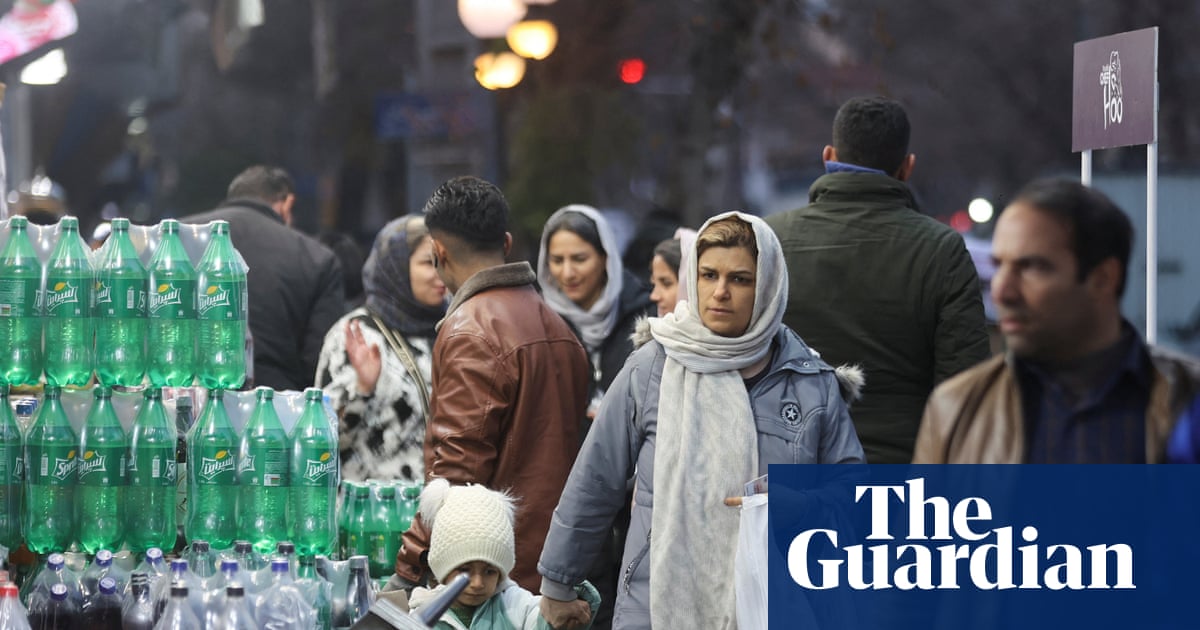
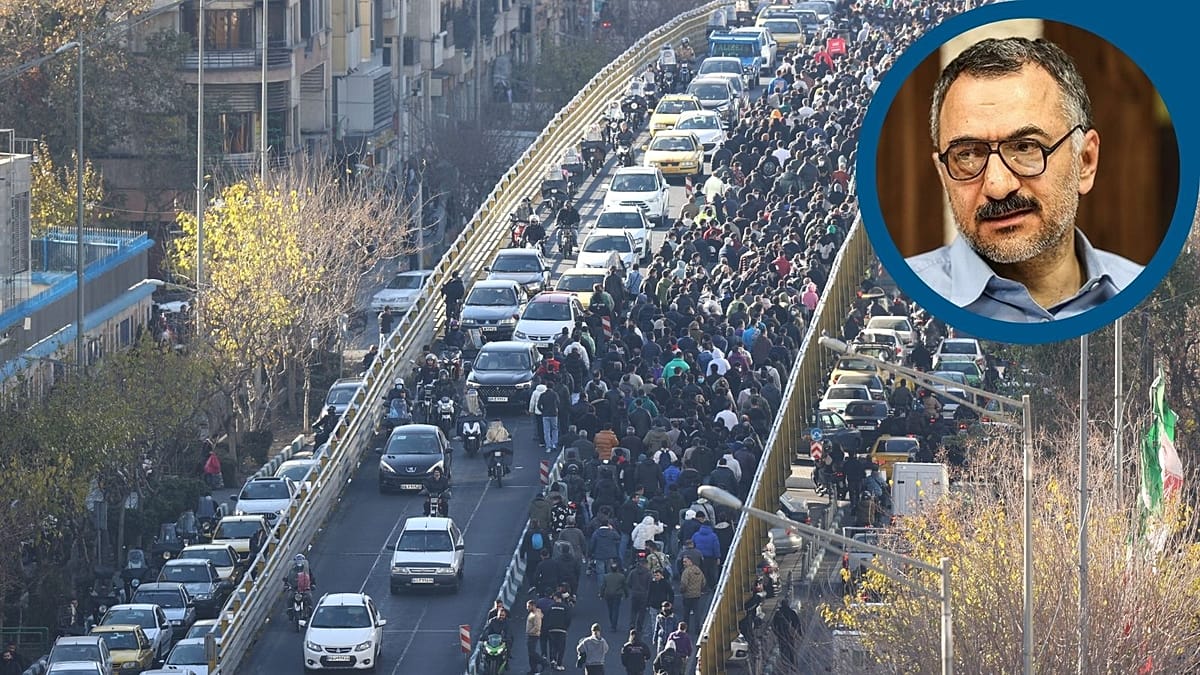
Calls for an independent investigation into the crackdown have been made by Iranian officials and academics amid ongoing reports of significant casualties and economic turmoil. The situation remains tense, with continued international condemnation and regional concerns over possible military interventions. Additionally, Iran has expressed openness to nuclear negotiations with the United States amid this internal and external pressure.