Astronomers Unveil 13.1-Billion-Year-Old Quasar, Challenging Black-Hole Models


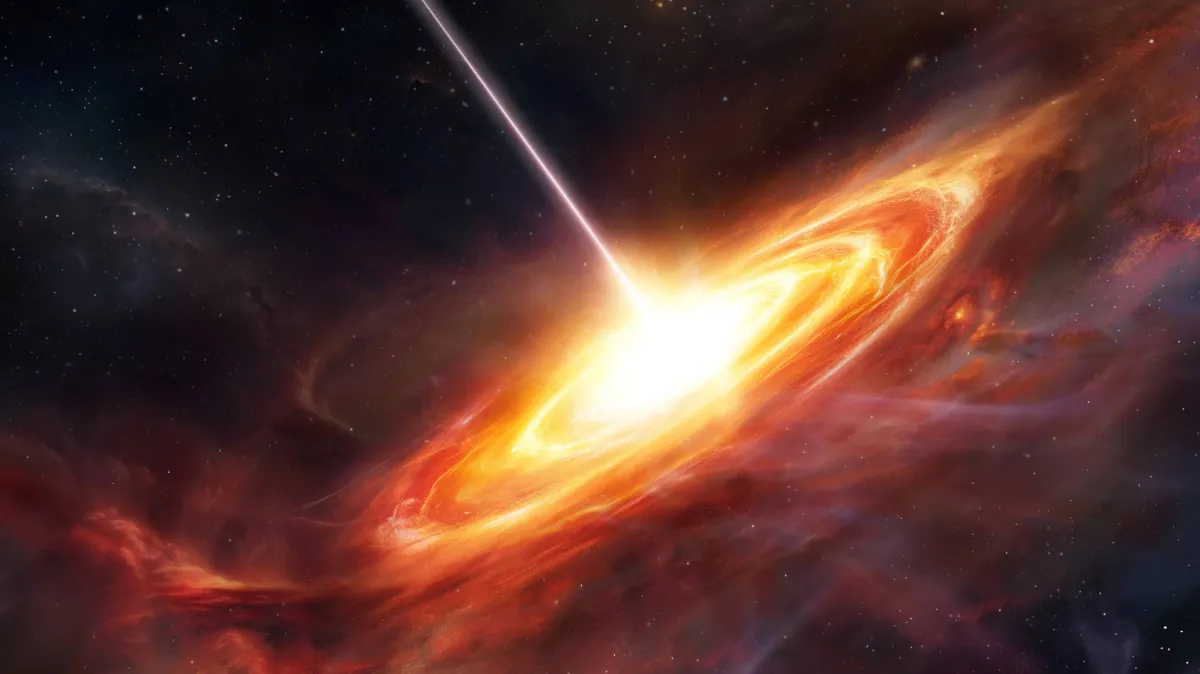
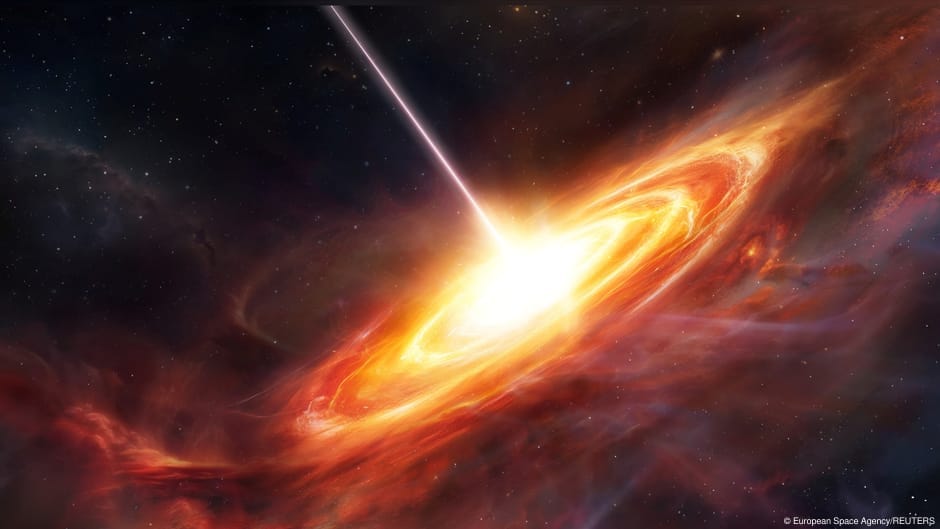
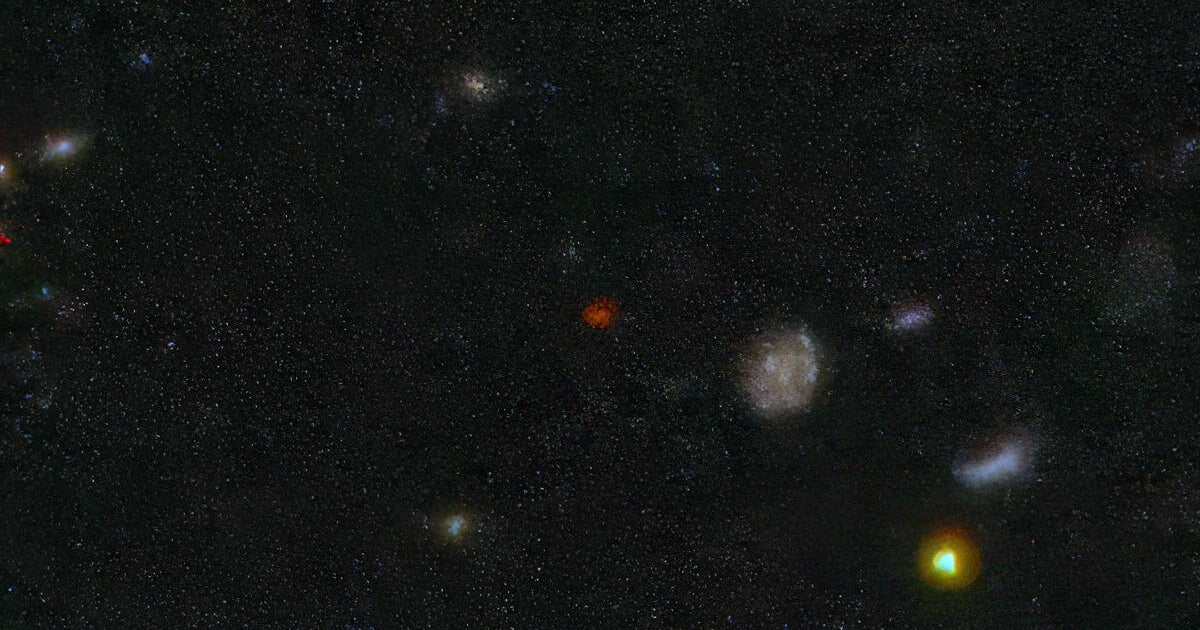
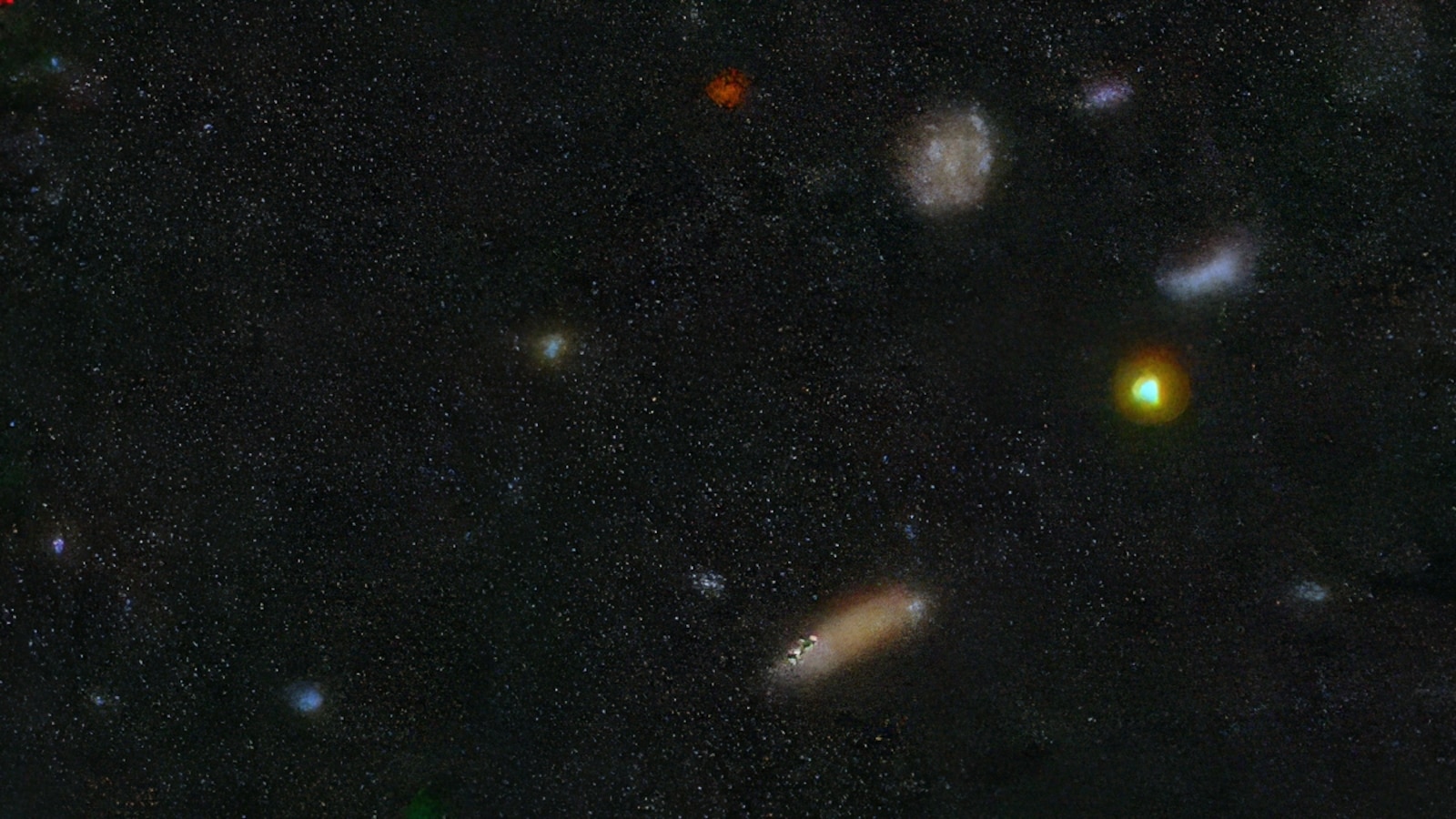
On 25 November, astronomers announced the discovery of a quasar nicknamed Dún Aonghasa, observed as it existed 13.1 billion years ago, a finding that challenges current models of early supermassive black-hole growth, ASHARQ AL-AWSAT reported. The object was first identified by a German-led team using the European Space Agency’s Euclid telescope, which measured the quasar’s light to date back to roughly 630 million years after the Big Bang and estimated the central black hole’s mass at about 360 million solar masses, CBS News said. Subsequent analysis by the European Southern Observatory and ESA confirmed the quasar’s extreme distance and age, as detailed by DW.com.
Actors
Julien Wolf
European Southern Observatory
European Space Agency
Locations
Ireland