Iran Claims New Methods to Circumvent U.S. Oil Sanctions as Export Volumes Fall Sharply


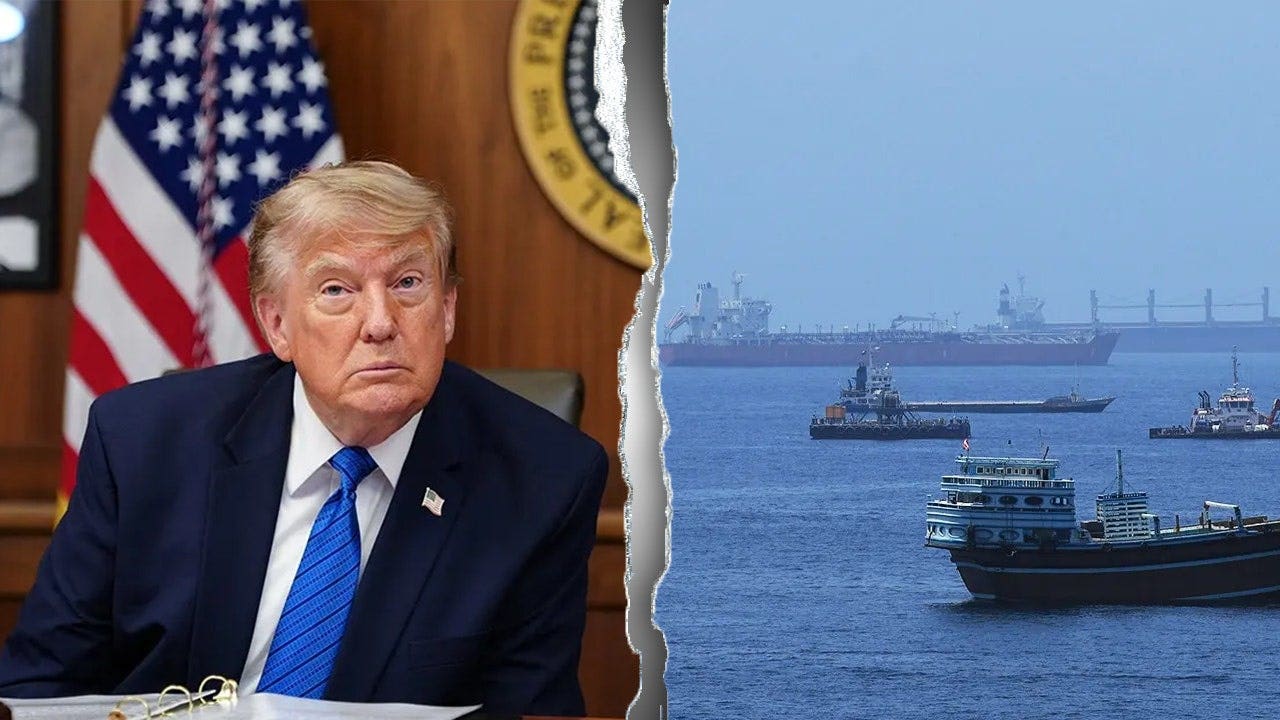
CNN reported that the United States and Iran exchanged limited strikes in the Strait of Hormuz on 4 September, sustaining a precarious military deadlock. Earlier, on 22 August Iranian and Omani foreign ministers met in Tehran to outline a phased plan for a temporary navigation corridor and mine-clearance, AP News said. The United States postponed broader secondary sanctions, CNBC noted, while Fox News reported that Washington launched a new sanctions operation targeting Iranian revenue sources. U. S. Central Command reiterated that Iran does not control the waterway, Fox News added. Iran continued to demand formal control over commercial traffic, the Institute for the Study of War reported, and Pakistan was said to be mediating talks.
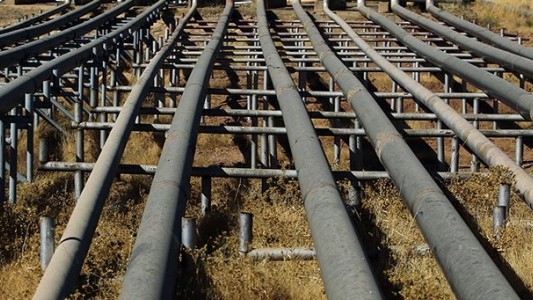
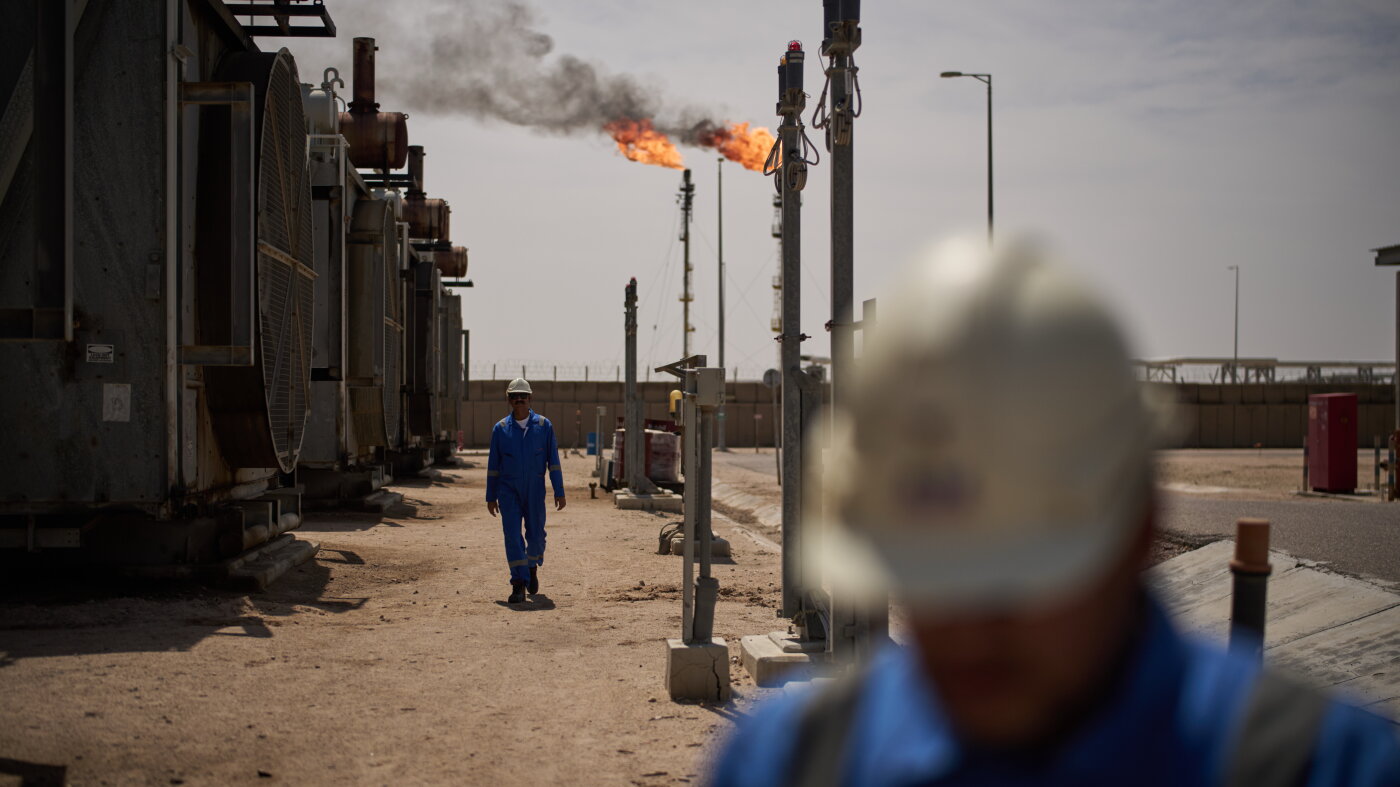
Negotiations between Iran and Oman on a fee regime and a temporary corridor progressed, Fox News and CNBC reported, although Oman later rejected Iran’s proposal to levy fees, the New York Post reported. The United States reinstated a naval blockade and imposed additional sanctions in August, CNBC reported, causing Iran’s crude shipments to fall sharply, as noted by Fox News. Treasury Secretary Scott Bessent told a G20 meeting that alternative pipelines could bypass the strait within two years, The Independent reported, and President Donald Trump later suggested renaming the strait after himself, The Independent added. Analysts said the recent strikes and sanctions have not altered either side’s strategy, BBC reported, while Vice President JD Vance said U. S. naval actions prevented a global energy crisis, Fox News reported.